Bakken Rig Count Holds at 26 as Oil Prices Surge
Sustained low activity level suggests muted near-term workforce and community impacts despite strong crude rally.
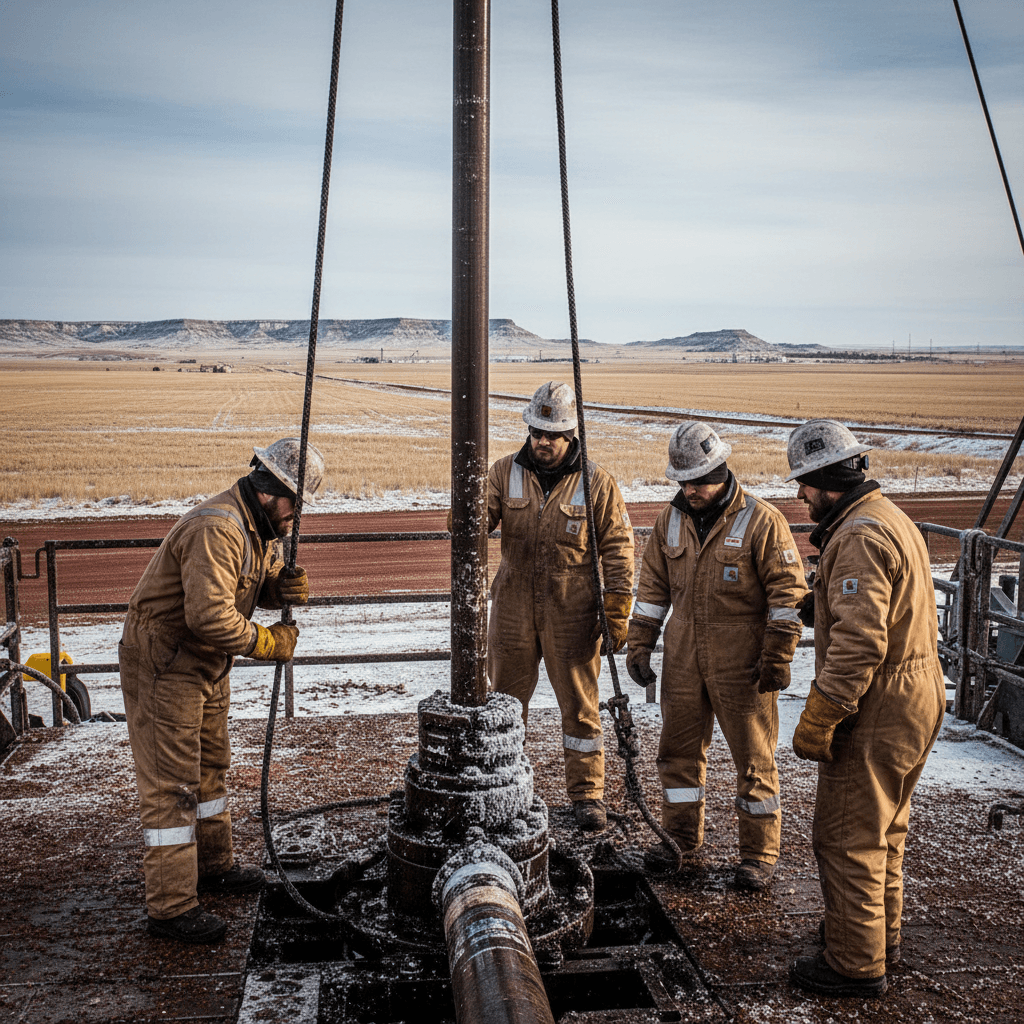
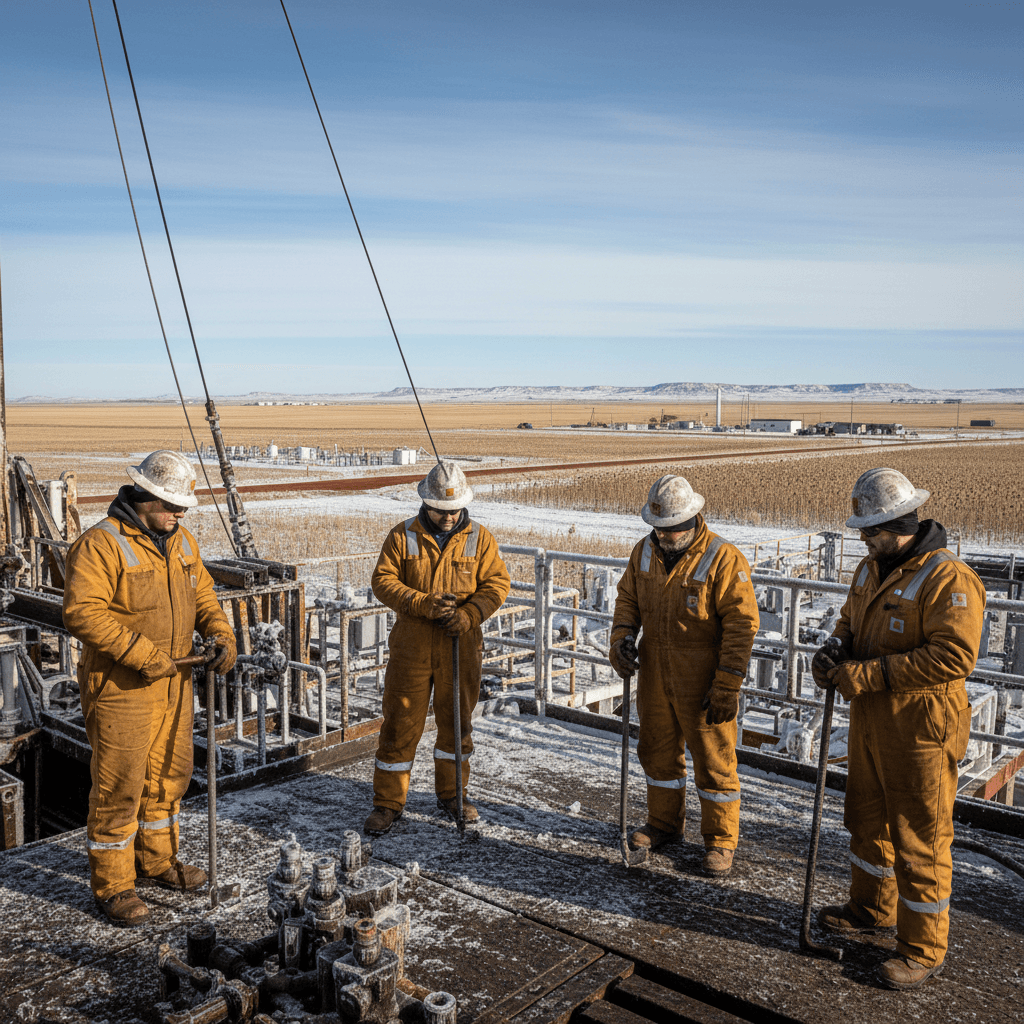
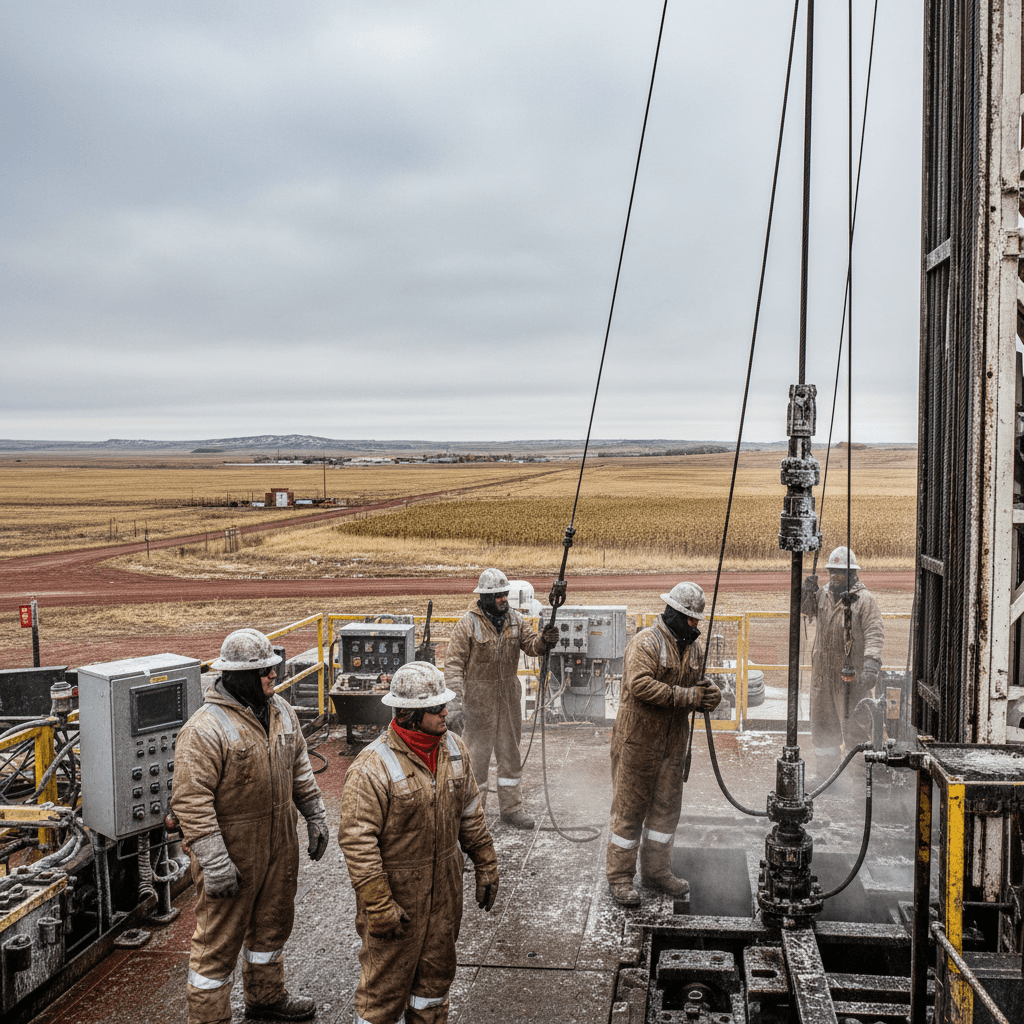
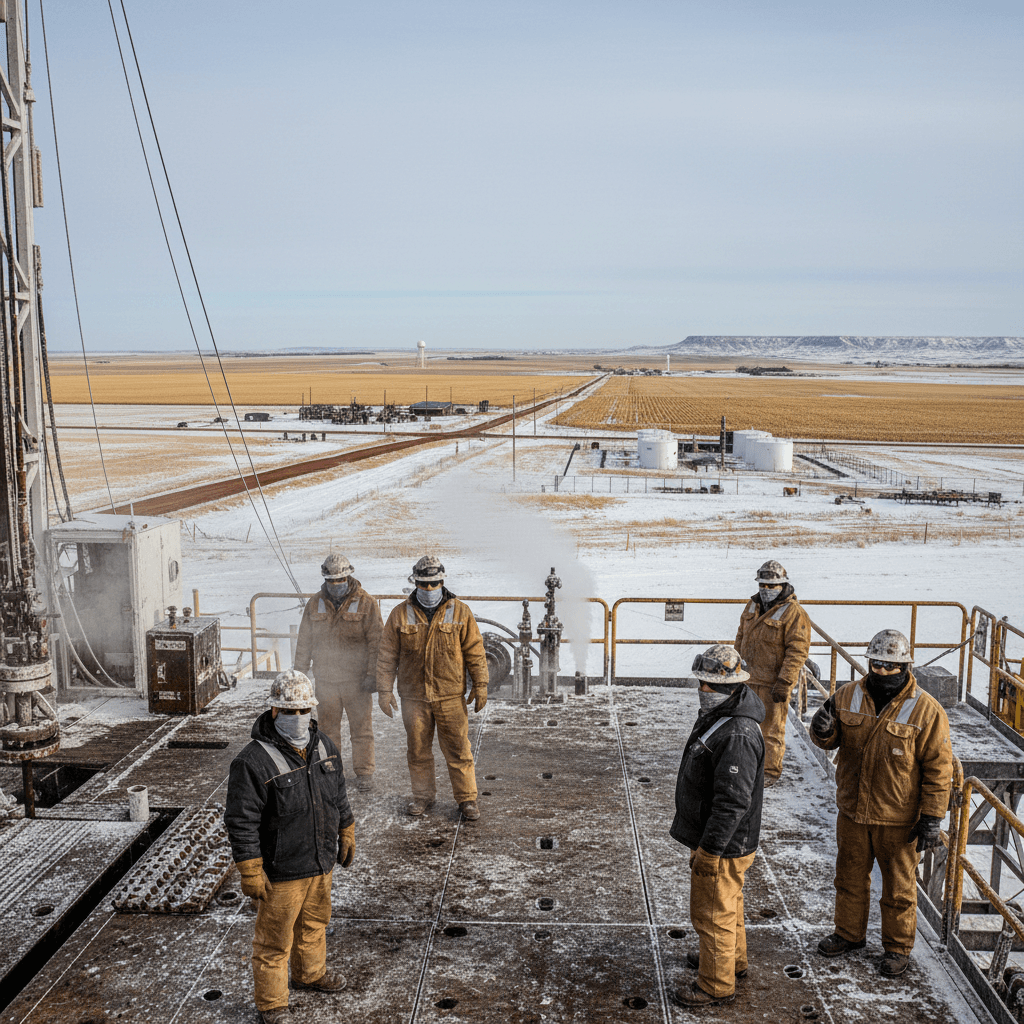
The active rig count in North Dakota's Bakken formation held steady at 26 for the week, according to the latest live data from Bakken Wire. This count, a key indicator of drilling activity and future employment, remains near historic lows for the modern shale era, even as oil prices posted a significant rally.
West Texas Intermediate (WTI) crude surged by $6.70 to settle at $78.11 per barrel on Monday, a gain of 9.38%. The international Brent benchmark rose a similar 9.67% to $83.36. The Bakken crude differential, the discount at which local crude trades versus WTI, was reported at -$3.42.
The persistent gap between higher commodity prices and stagnant drilling activity suggests a continued period of stability, rather than growth, for Bakken workforce and community dynamics. Rig counts are a leading indicator for oilfield employment, encompassing jobs for drillers, roustabouts, truck drivers, and frac crews. A count in the mid-20s typically correlates with a lean, consolidated workforce compared to boom periods when counts exceeded 200.
For local communities in western North Dakota, this environment likely translates to continued equilibrium in housing markets and municipal budgets. The extreme housing shortages and inflationary pressures seen during previous high-activity periods are absent. Retail and service sectors are operating at a baseline level supported by a core population of workers and long-term residents, without the surge demands of a major expansion.
The current price rally, if sustained, could eventually incentivize operators to increase capital budgets and add rigs. However, the immediate rig count data shows no reaction, reflecting continued capital discipline by producers focused on shareholder returns and debt reduction. Natural gas prices, a secondary revenue stream for Bakken operators, remain low at $2.89 per MMBtu, providing no additional impetus for increased activity.
The stability offers communities a chance to plan infrastructure and services without the volatility of a rapid boom-bust cycle. School districts, county governments, and housing developers can operate with greater predictability. For the existing workforce, it suggests job security for those currently employed but limited opportunities for large-scale hiring in the near term.
Source
Bakken Wire Live Data as of Monday, July 13, 2026