Bakken Rig Count Holds at 27 Amid Price Rally, Stabilizing Workforce
Sustained moderate activity and stronger oil prices provide a steady economic foundation for western North Dakota communities.
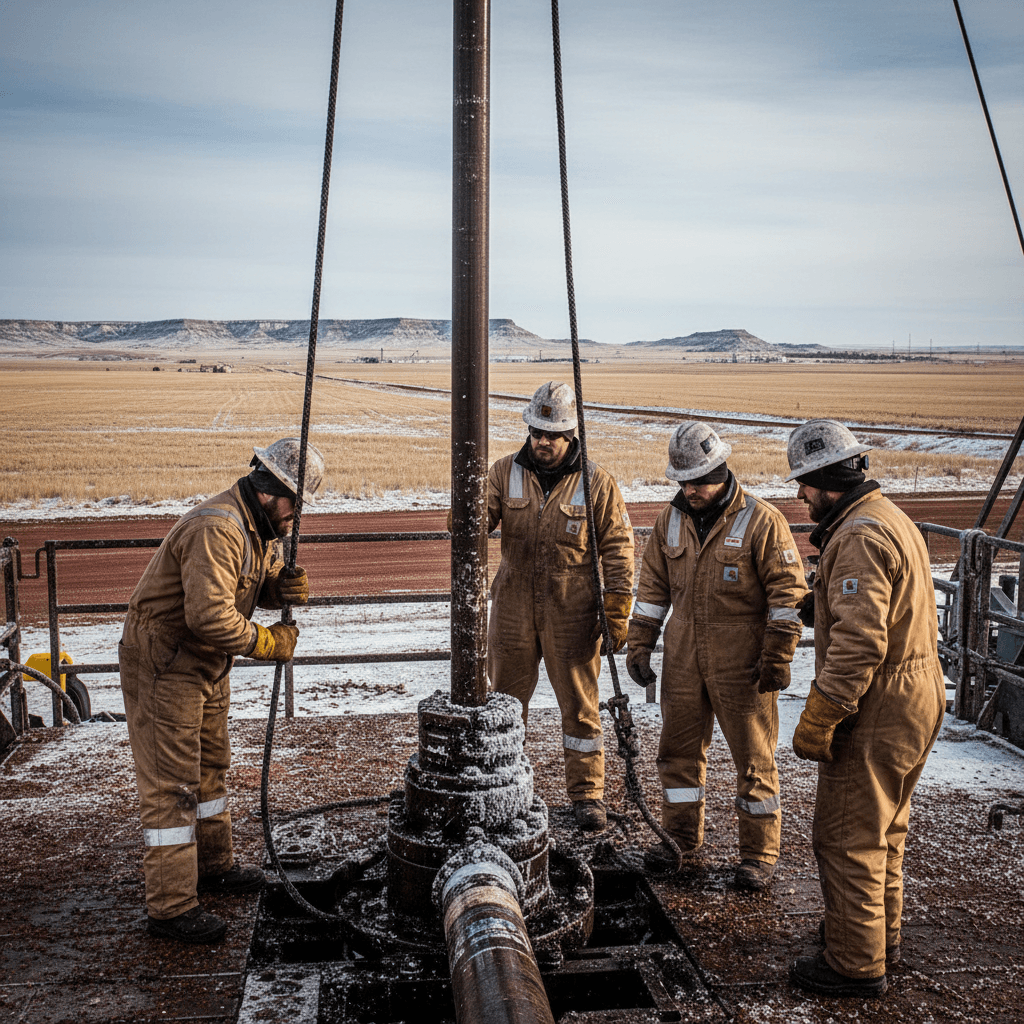
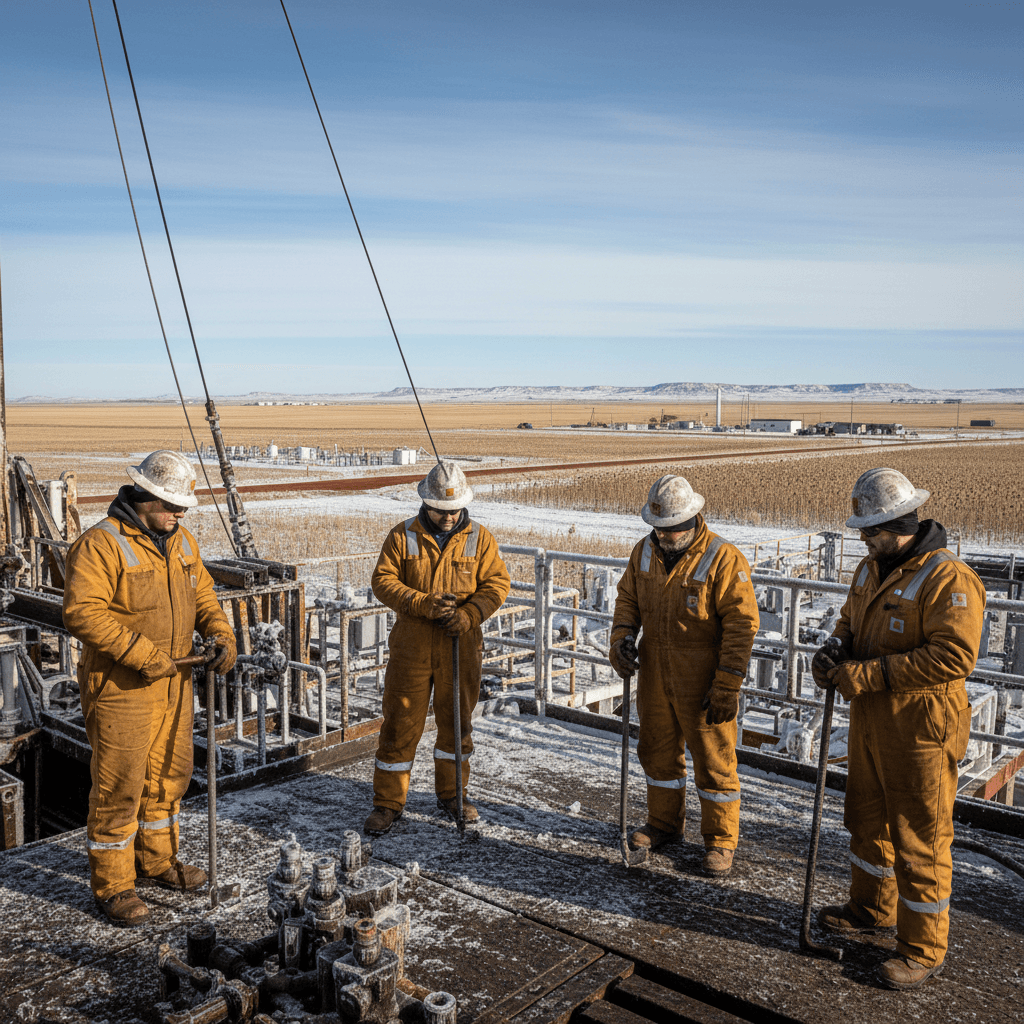
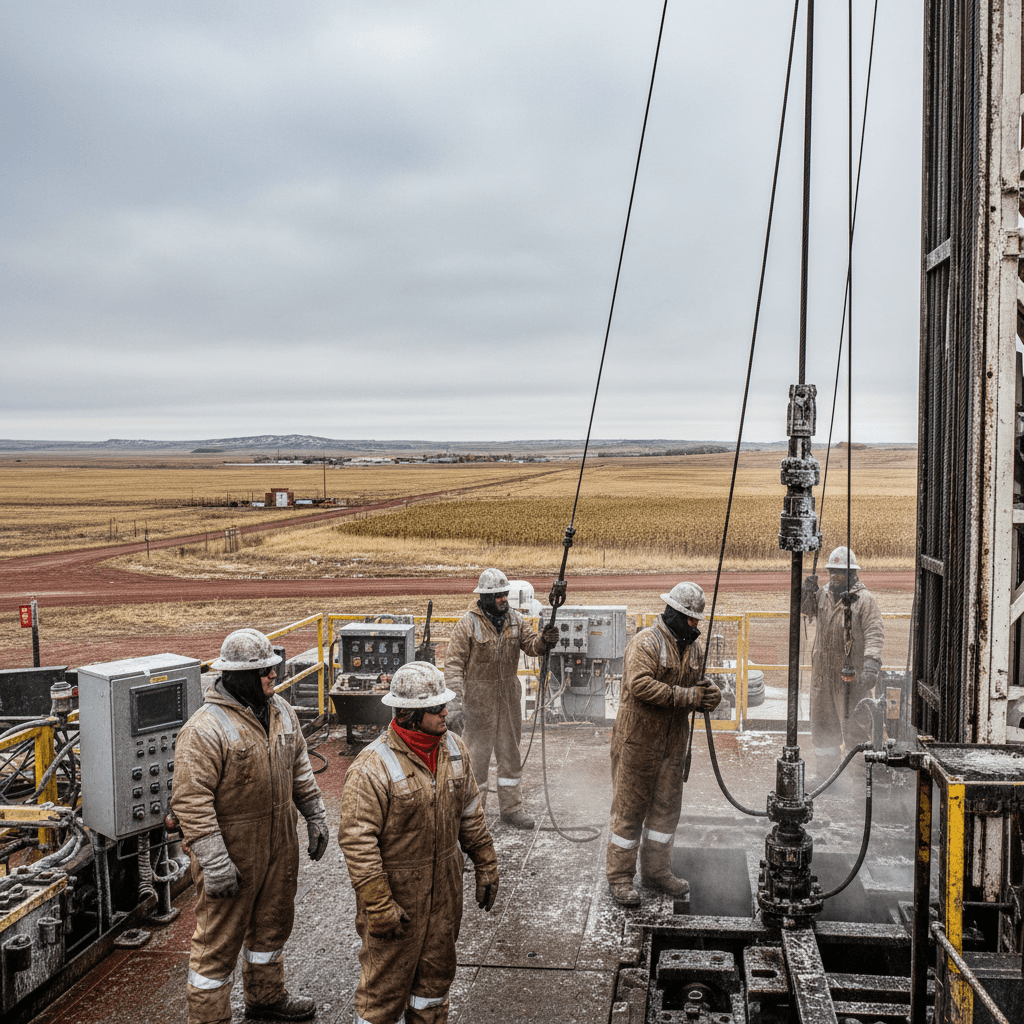
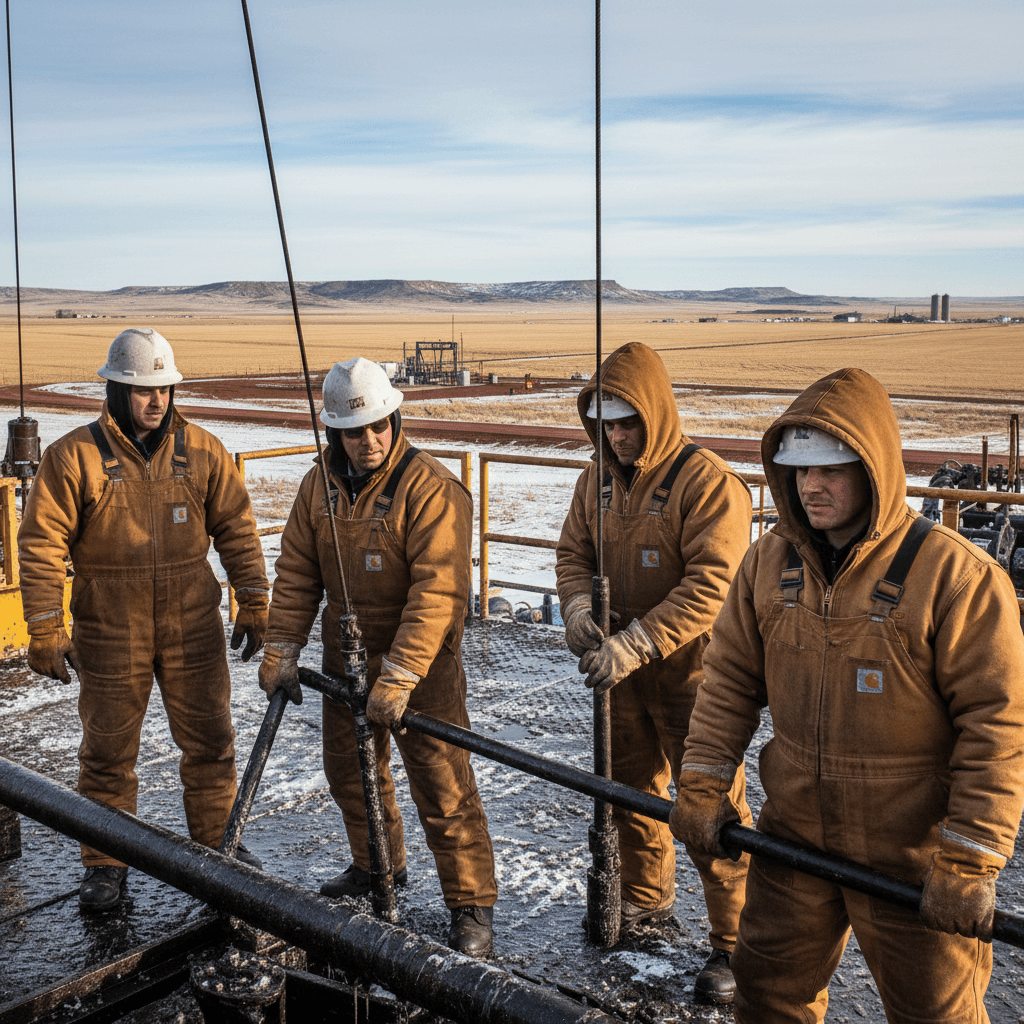
The active drilling rig count in North Dakota's Bakken formation held steady at 27 as oil prices rallied sharply on Monday, August 10, providing a stable, if reduced, level of activity for the region's workforce and local economies. The current rig count is a fraction of the boom-era peak but represents a consistent operational level that has persisted for several months, according to Bakken Wire data.
West Texas Intermediate (WTI) crude settled at $80.97 per barrel, a daily gain of $2.79 or 3.57%. The global benchmark Brent crude rose to $86.56. The Bakken crude price differential narrowed to a discount of $3.42 below WTI. Natural gas prices were reported at $2.80 per MMBtu.
This combination of firmer prices and a steady rig count supports a stabilized employment environment across the oilfield services, transportation, and wellsite operation sectors. The current activity level is sufficient to maintain core crews and specialized technical jobs but does not drive the aggressive hiring or population surges seen during previous high-rig periods.
For communities in western North Dakota, the sustained moderate activity translates into predictable demand for housing and local services. The extreme housing shortages and inflationary pressures that characterized the boom years have largely subsided, allowing municipal budgets and community planning to adjust to a more sustainable pace. Sales tax revenues and other economic indicators in oil-producing counties are now more closely tied to long-term production volumes rather than the volatile drilling cycle.
The relationship between rig count, oil prices, and community impact in the Bakken is well-established. Each active rig represents hundreds of direct and indirect jobs and significant local spending. The current count of 27 rigs indicates a focused industry drilling only the most productive wells, which continues to generate substantial production and cash flow for operators and royalty owners, even with a smaller footprint than a decade ago.
Source
Bakken Wire Live Data as of Monday, August 10, 2026