Bakken Rig Count Holds at 27 Amid Strong Oil Prices
Sustained high crude prices support stable activity levels, providing a foundation for workforce and community stability in western North Dakota.
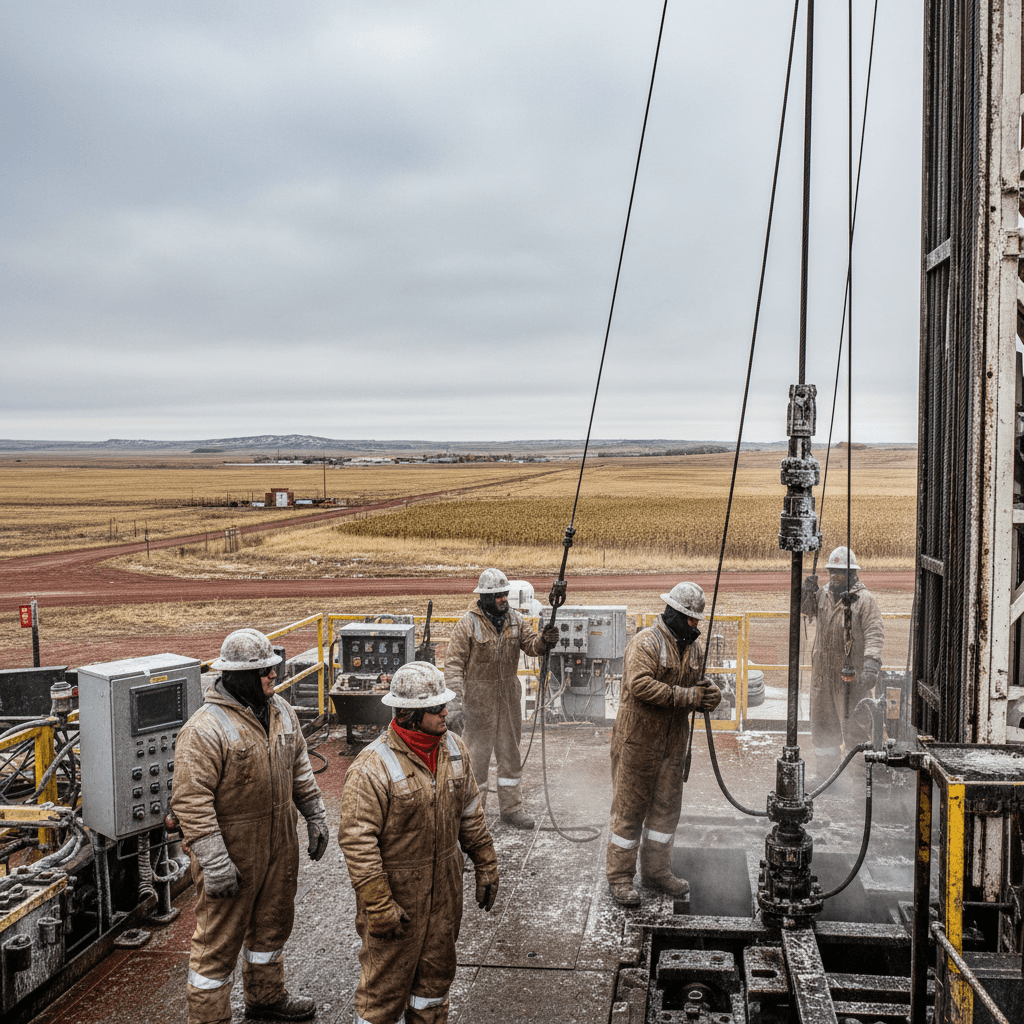
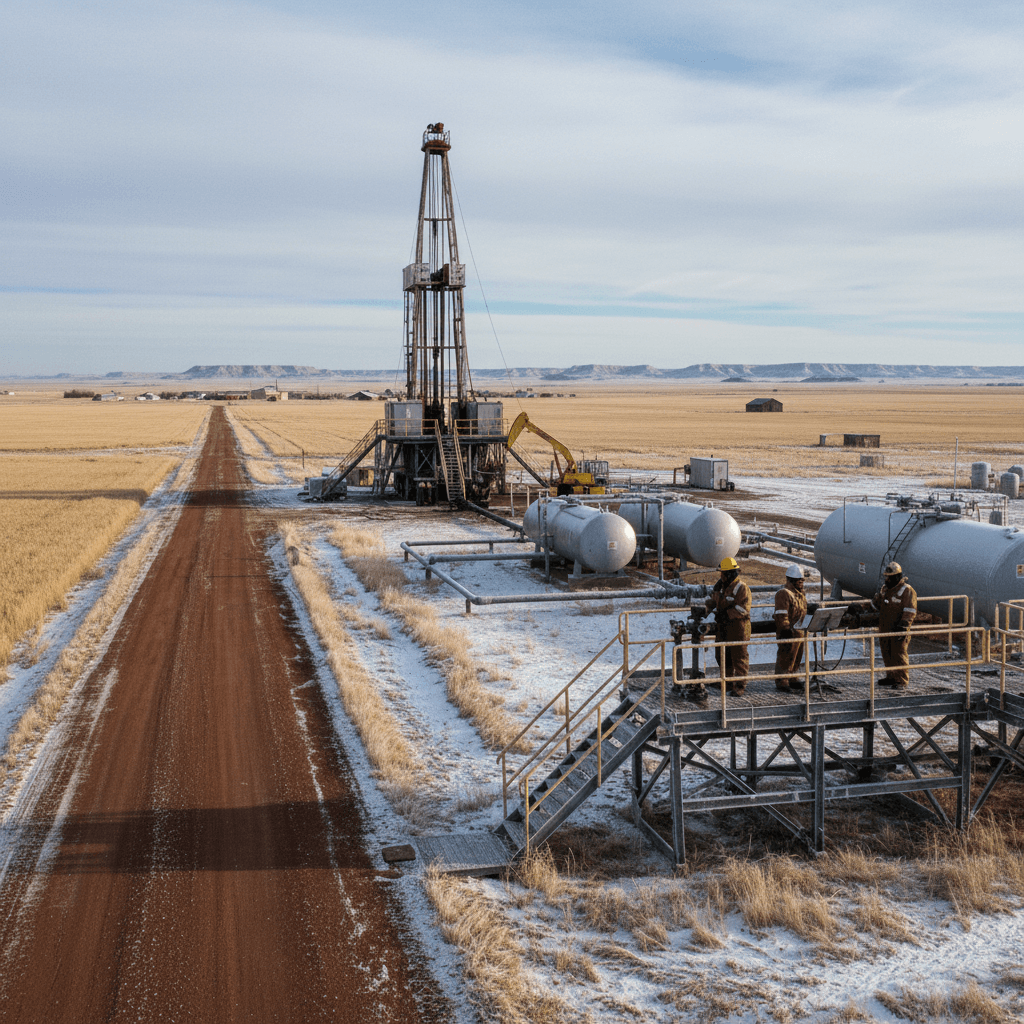
The number of active drilling rigs in North Dakota held steady at 27 on Monday, as strong global crude prices continued to underpin activity in the Bakken formation. West Texas Intermediate (WTI) crude traded at $91.66 per barrel, up $1.12 for the day, while the international Brent benchmark was at $94.83.
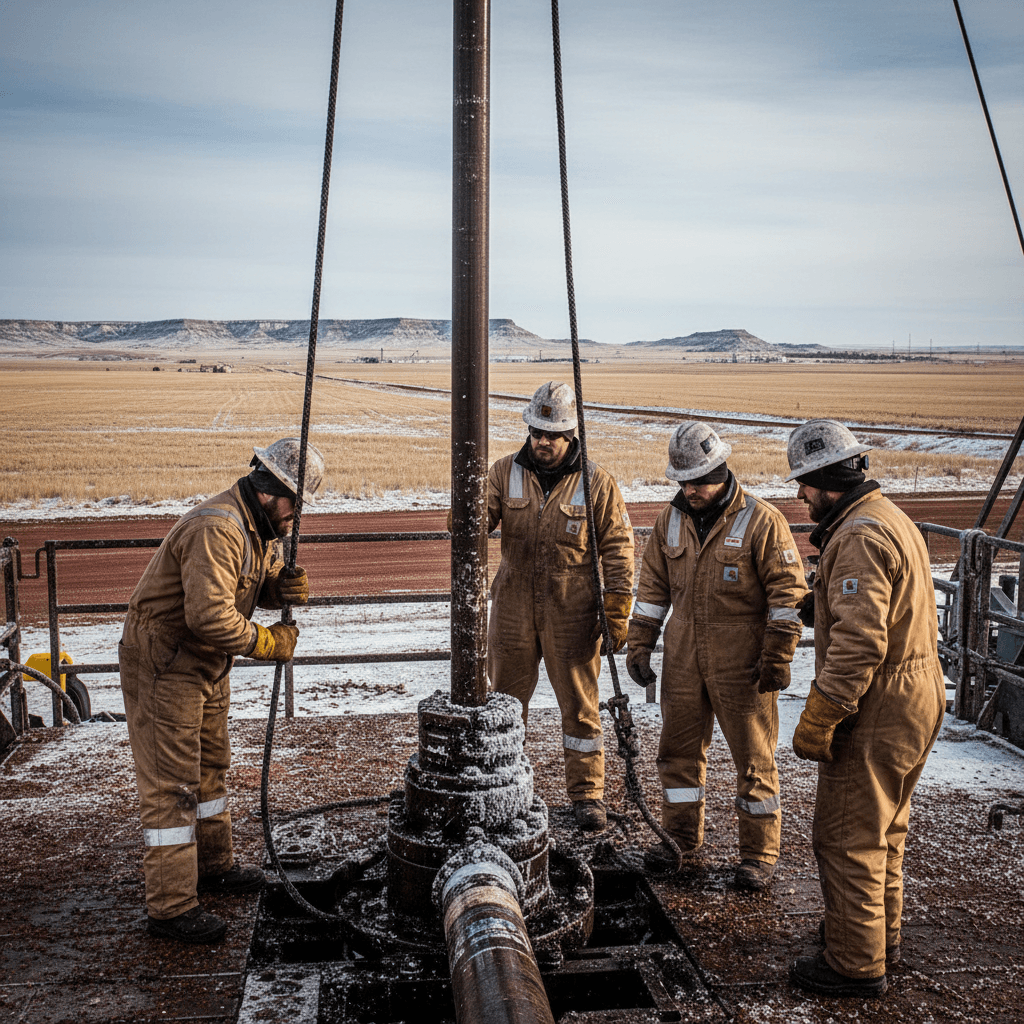
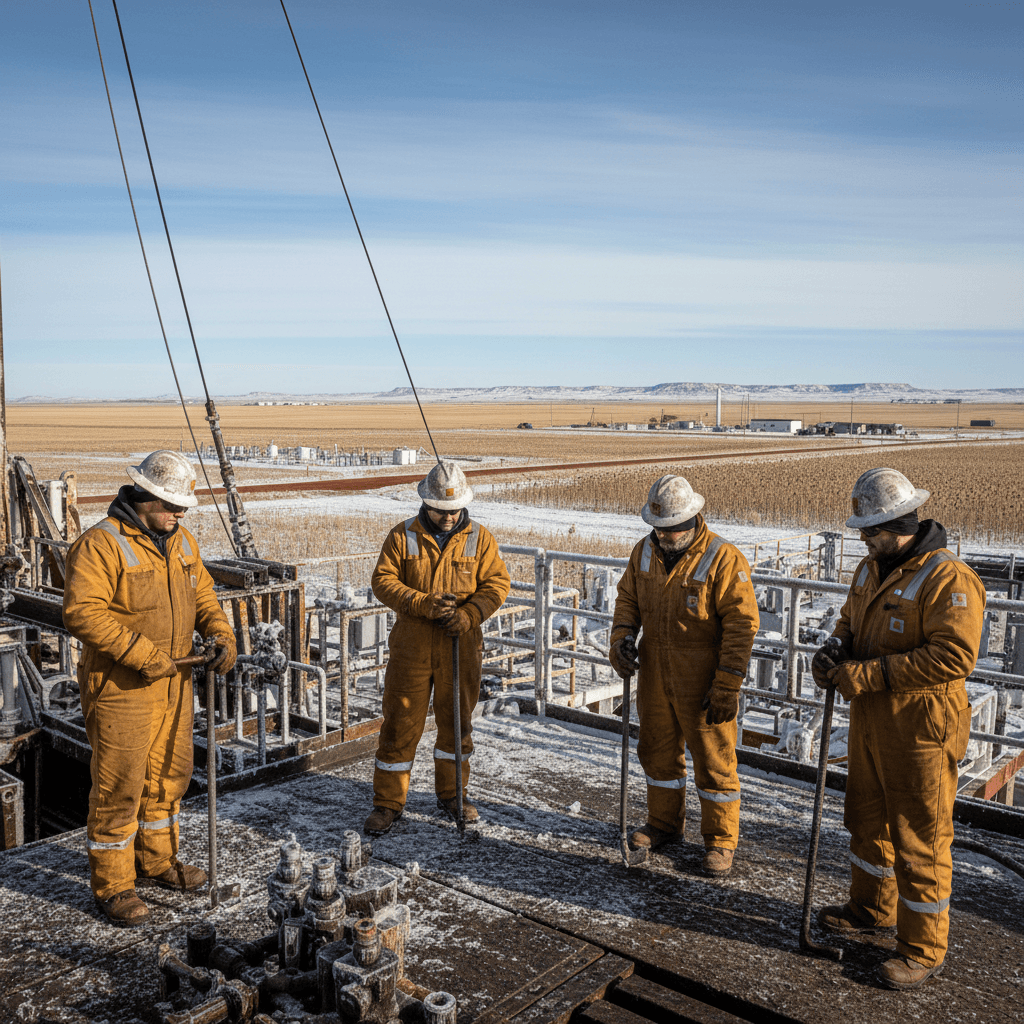
In the Bakken oil region, the rig count is a leading indicator for employment and economic activity. A stable count in the mid-to-high 20s suggests a consistent level of drilling operations, which supports direct employment for oilfield workers, from roughnecks and engineers to truck drivers and equipment technicians. The current price environment, with WTI above $90, provides the economic incentive for operators to maintain this level of activity.
The health of the local economy in western North Dakota cities like Williston, Dickinson, and Watford City is closely tied to the pace of oil and gas development. Sustained drilling activity drives demand for housing, retail, and services, impacting everything from apartment occupancy rates to municipal tax revenues. Periods of high rig counts and oil prices typically correlate with tightened labor markets and increased population growth in the region.
The Bakken crude differential, a discount applied to Bakken crude compared to the WTI benchmark, was reported at -$3.42 per barrel. This differential affects the net revenue received by producers in the region, influencing their capital spending and operational budgets. The current modest discount is unlikely to significantly deter activity given the high absolute price of oil.
While the rig count remains far below the boom-era peaks of over 200, a count in the 20s represents a mature, stable level of operation for the basin. This stability allows communities to plan for long-term infrastructure and services, rather than reacting to the extreme booms and busts of the past. The focus for many operators continues to be on efficiency and extracting more oil from each well, which can moderate the direct link between rig count and total employment.
For local businesses and service providers, the current conditions suggest a steady, predictable pace of business linked to the oil sector. Workforce availability, housing costs, and local economic indicators will continue to reflect the underlying stability signaled by the sustained rig count and supportive commodity prices.
Source
Bakken Wire Live Data as of Monday, June 8, 2026