Bakken Rig Count Holds at 27 as Oil Prices Offer Stability
Steady activity level suggests a cautious but stable environment for regional employment and community economies.
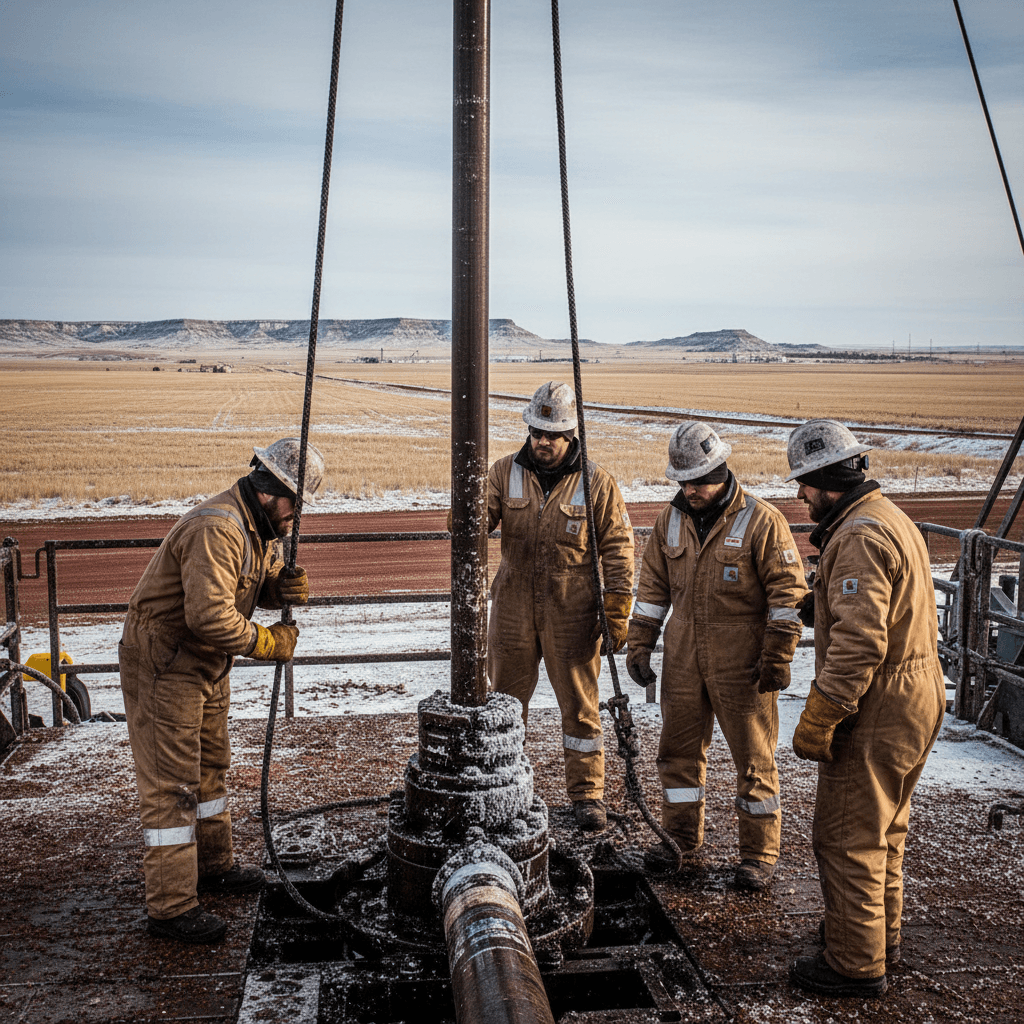
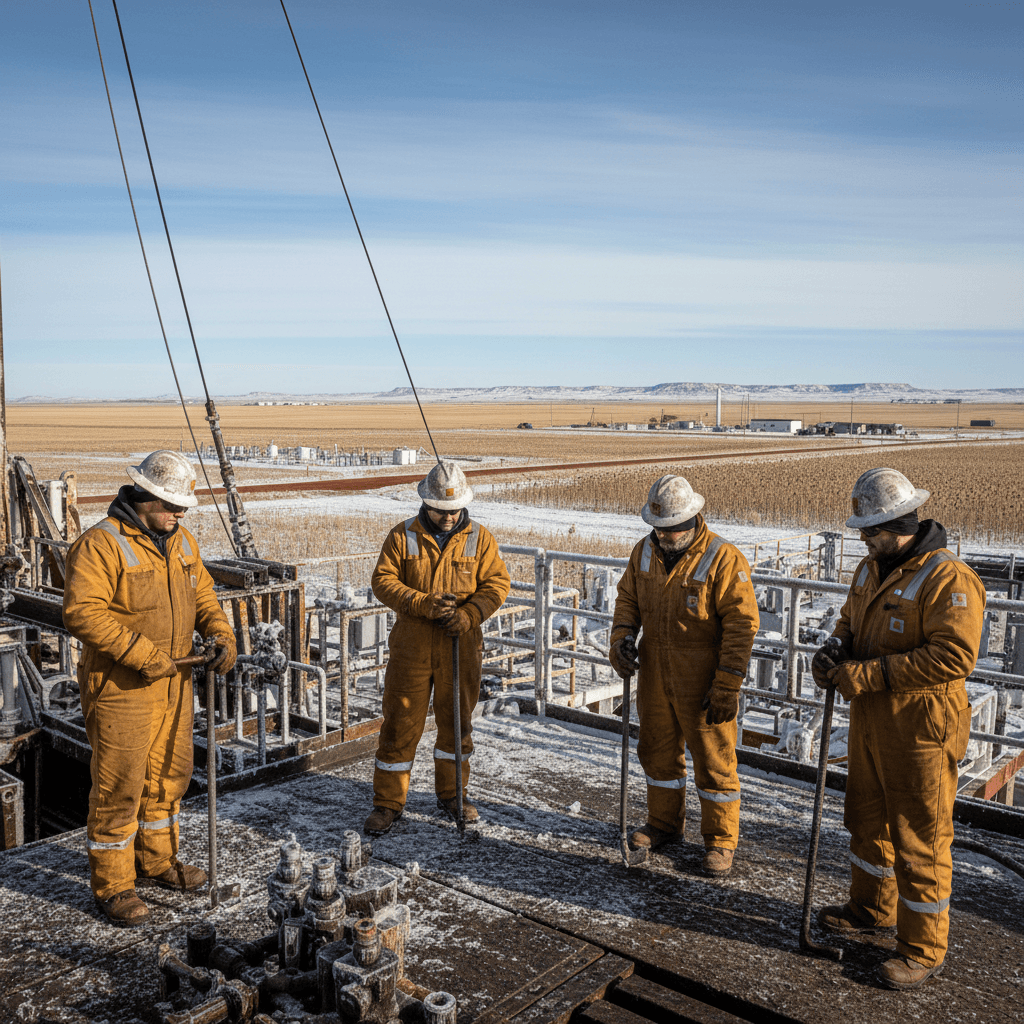
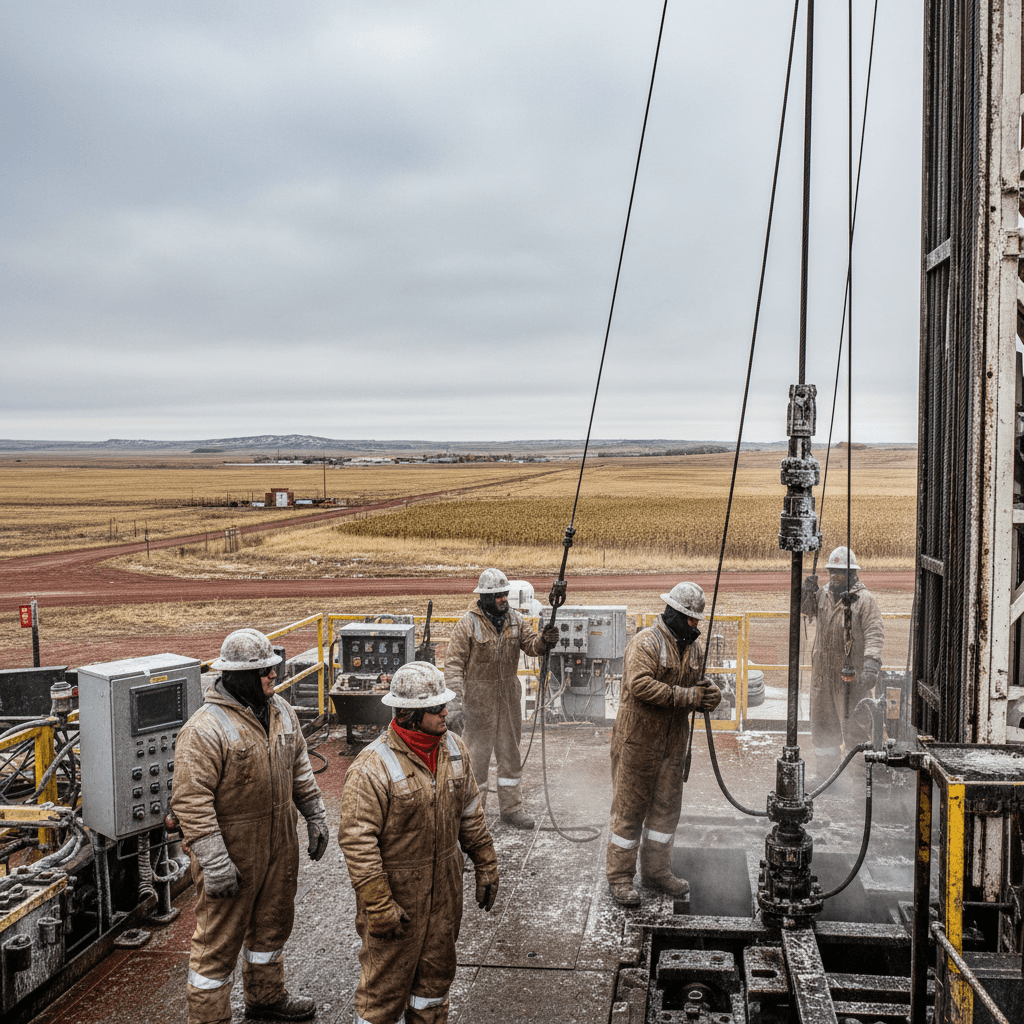
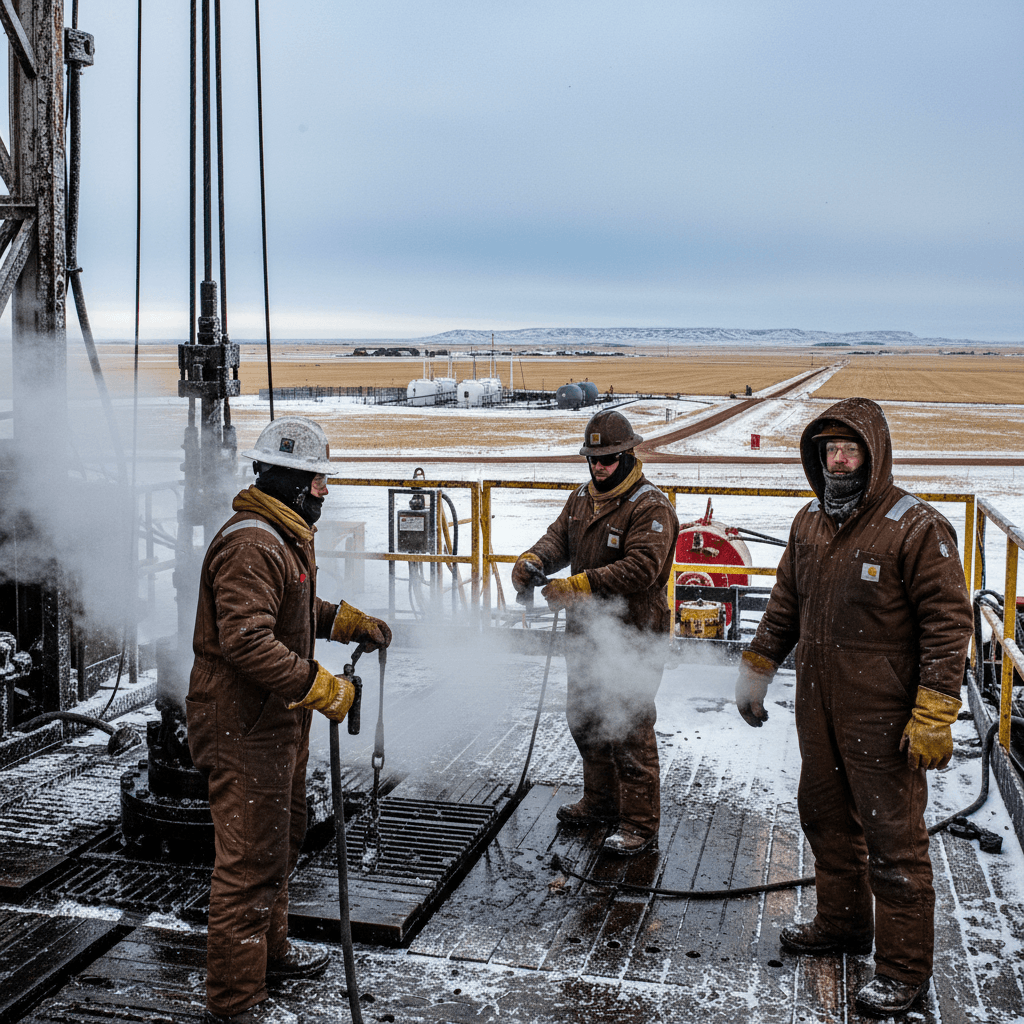
North Dakota's active drilling rig count held at 27 on Friday, a level that reflects a mature and measured pace of development in the Bakken formation. This operational tempo, supported by oil prices holding above $84 per barrel, provides a baseline for regional workforce stability and local economic activity.
The current rig count is a key indicator of direct oilfield employment for drilling crews, roustabouts, and related service companies. A count in the high 20s represents a significant consolidation from the boom-era highs of over 200 rigs but suggests a sustained core of high-paying jobs. According to general industry analysis, each active rig typically supports dozens of direct and indirect jobs across the supply chain.
Commodity prices on Friday offered supportive signals for maintaining this activity. West Texas Intermediate (WTI) crude was trading at $84.30 per barrel, up 0.85% for the day. The global benchmark, Brent crude, traded at $89.93. The Bakken crude differential—the discount at which Bakken oil trades versus WTI—was -$3.42, indicating Bakken barrels are competitively priced for shipment to refineries.
This price environment, with WTI solidly above $80, generally provides sufficient revenue for operators to continue planned drilling and completion programs in the core areas of the play. Stable operations prevent the severe workforce contractions seen during past downturns, which helps maintain population levels in western North Dakota communities.
The relationship between rig activity and community impact is direct. Steady employment supports housing markets, retail sales, and local government tax revenues in counties like McKenzie, Williams, and Mountrail. A sustained, lower-volatility period allows communities to adapt infrastructure and services to a more predictable population base, unlike the rapid boom-bust cycles of the past.
Natural gas prices, a secondary revenue stream for Bakken producers, were listed at $2.73 per MMBtu on Friday. While this price point offers limited economic incentive for standalone gas development, it remains a factor in the overall well economics for Bakken operators, who must manage associated gas production.
The current data snapshot indicates the Bakken region is operating in a phase of disciplined growth. The focus for operators continues to be on efficiency and generating free cash flow, which translates into a consistent, rather than explosive, demand for labor and services. This scenario fosters long-term stability for the workforce and the towns that support the oil industry.
Source
Bakken Wire Live Data as of July 31, 2026