Bakken Rig Count Holds at 27 as Oil Prices Push Higher
Steady activity level suggests a stable but cautious operating environment for North Dakota's oil workforce and communities.
The active drilling rig count in North Dakota held steady at 27 on Friday, a figure that underscores a period of measured activity in the Bakken formation. The stability comes as crude oil prices posted gains, with West Texas Intermediate (WTI) trading at $84.55 per barrel, according to live Bakken data.
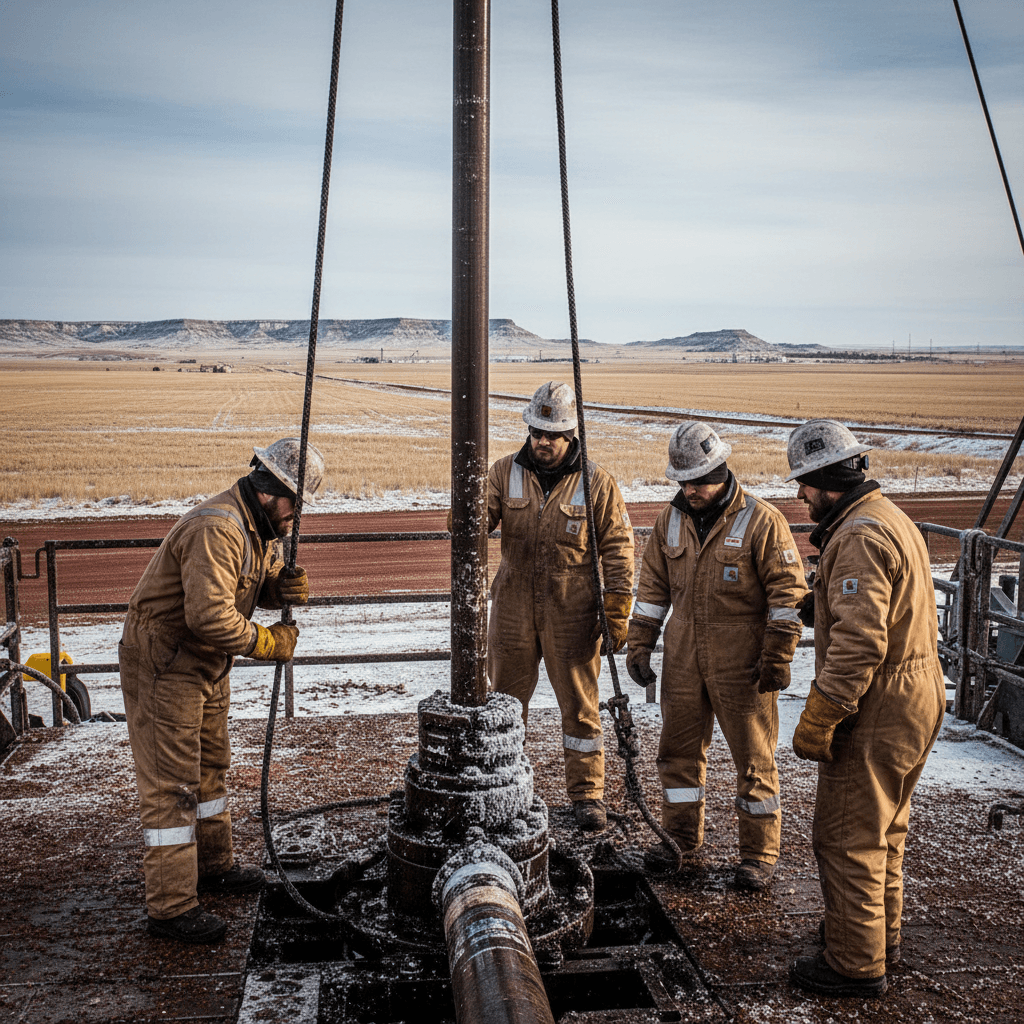
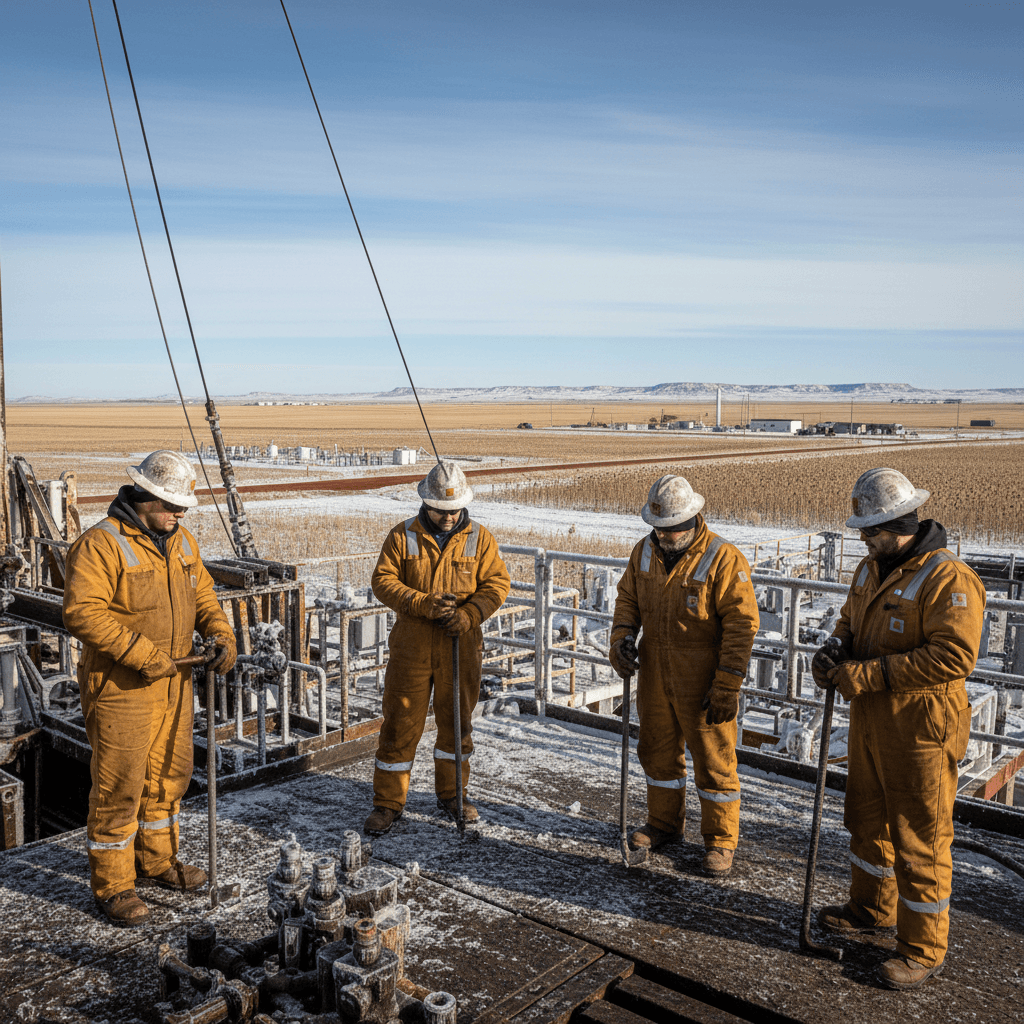
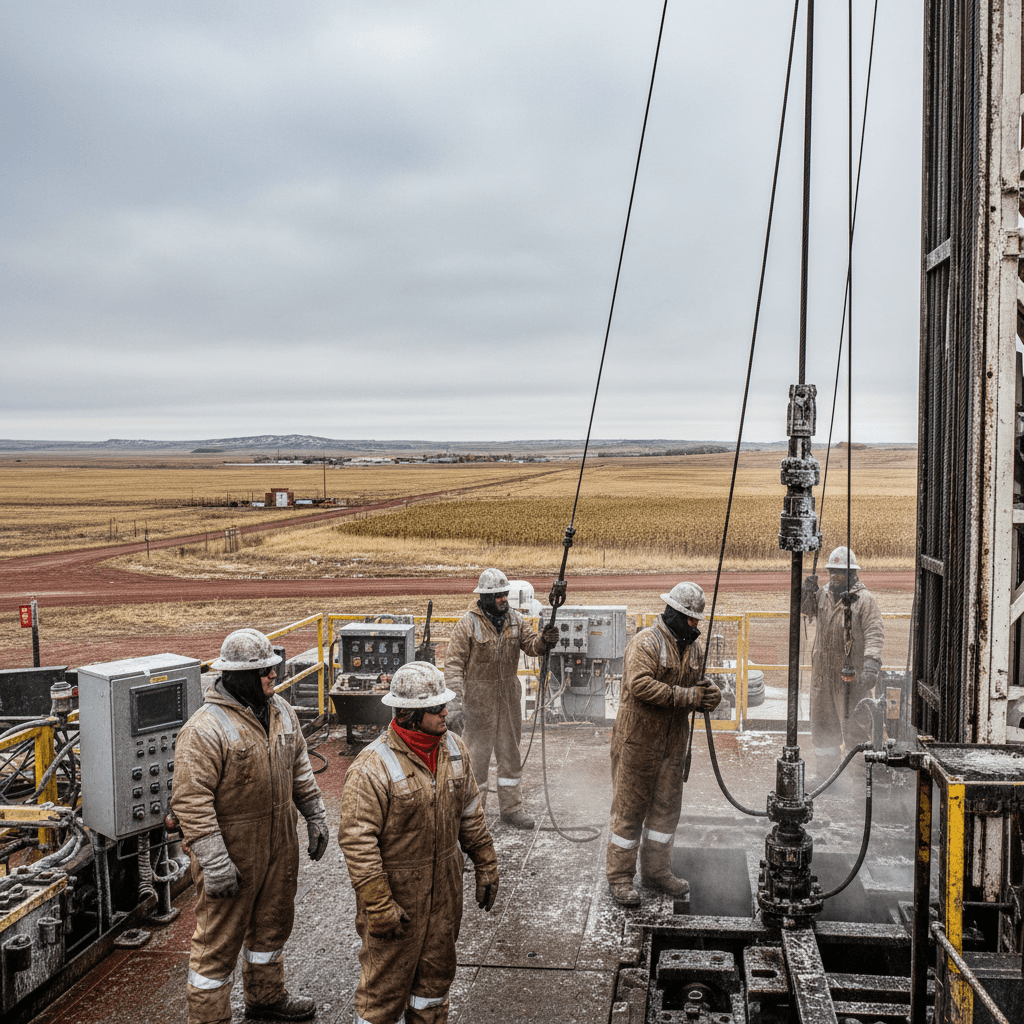
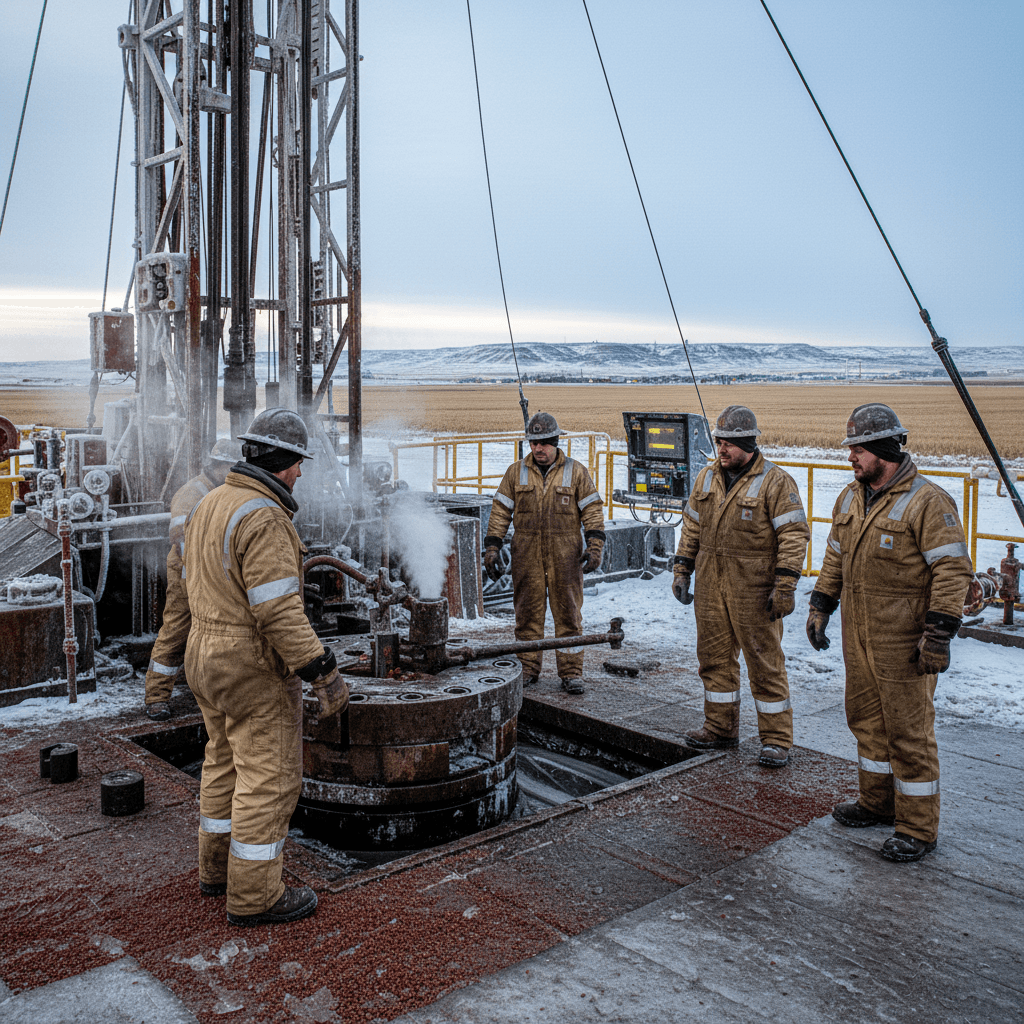
The current rig count, a key indicator of oilfield employment and industrial demand, reflects a significantly smaller footprint than during the boom years but represents a stable plateau for the region. For local communities and the oilfield workforce, this level of activity suggests a sustained, if modest, demand for labor across drilling, completion, and production services.
Higher oil prices, with WTI up over a dollar on the day, generally support continued capital spending by operators. However, the persistent discount for Bakken crude, currently at a $3.42 differential below WTI, can temper some of that price incentive. The net effect is an environment where companies can maintain existing production and carefully deploy new rigs, but are unlikely to trigger a rapid expansion that strains local infrastructure.
This equilibrium has direct implications for workforce and community dynamics in western North Dakota. A steady rig count typically correlates with stable employment in the oil and gas sector, preventing the severe job losses seen in downturns while also avoiding the acute labor shortages and wage spikes of a boom. Housing markets in oil-producing counties often stabilize under these conditions, moving away from the extreme volatility of rapid population influx or exodus.
Local economies, from Williston to Dickinson, become less dependent on cyclical exploration spending and more anchored by the ongoing revenue from thousands of producing wells. Sales tax revenues, while not booming, are likely more predictable, allowing for more consistent municipal budgeting. The current price and activity environment points to a continuation of this managed, post-boom normalization across the Bakken region.
Source
Live Bakken Data for July 31, disclaimed