Bakken Rig Count Holds at 27 as Oil Prices Rise Above $84
Sustained mid-$80s oil prices support stable, moderate activity level with continued workforce and community impacts in western North Dakota.
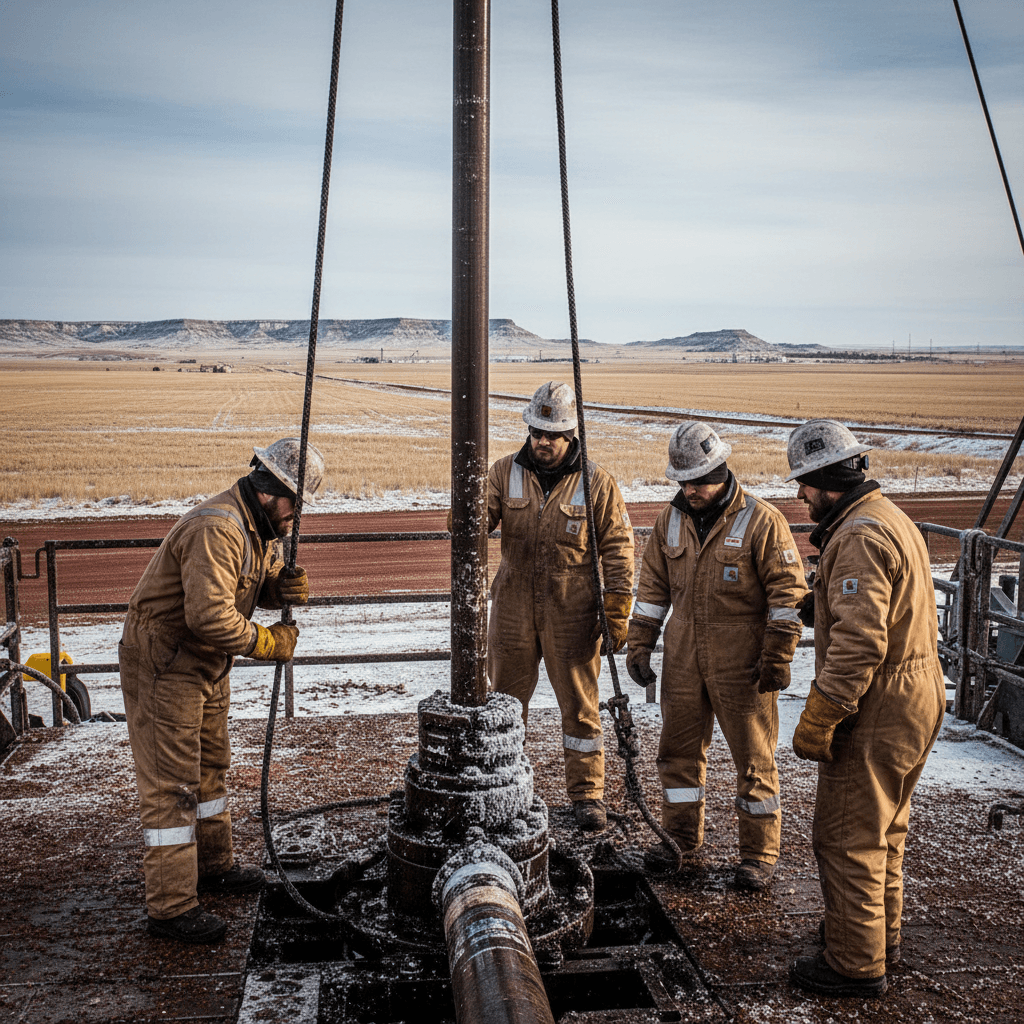
The number of active drilling rigs in North Dakota held steady at 27 as oil prices strengthened in midday trading Saturday, August 1, according to live Bakken Wire data. West Texas Intermediate (WTI) crude rose $1.08 to $84.67 per barrel, while the global Brent benchmark traded at $90.12.
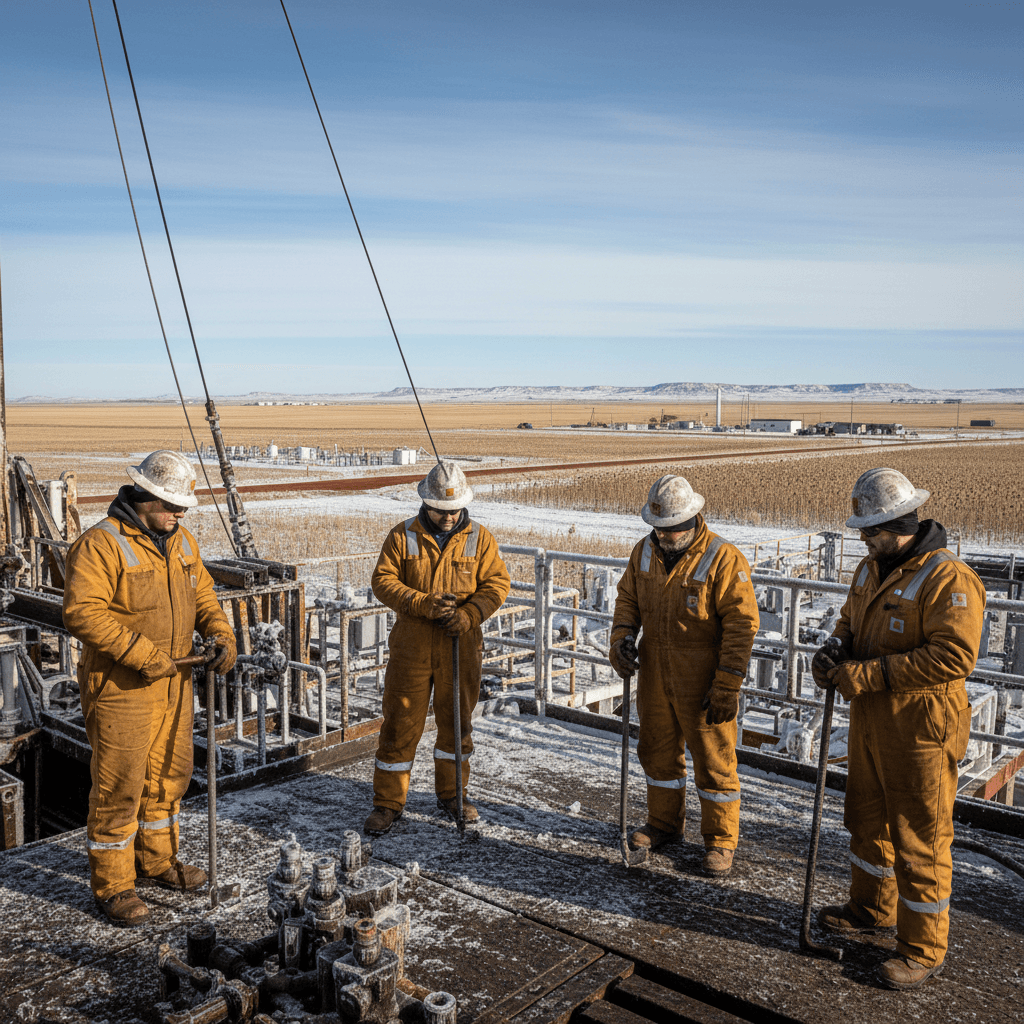
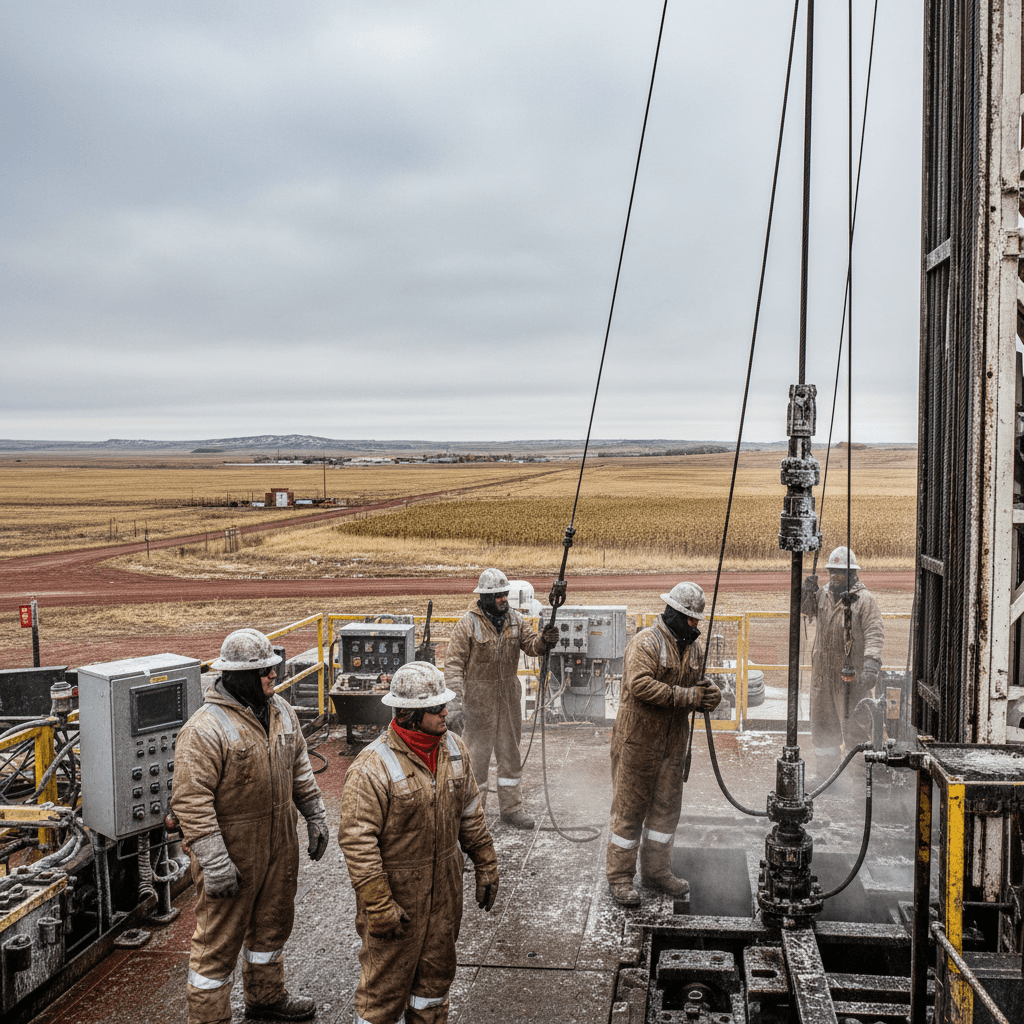
A rig count in the high-20s represents a period of stable, moderate activity for the Bakken formation. This level is significantly below the peak boom years but sustains a core level of operations that supports thousands of direct and indirect jobs across the region's oilfield service, transportation, and logistics sectors.
The current price environment is a key factor supporting this activity. With WTI above $84 and the Bakken crude differential at a discount of $3.42 per barrel, the wellhead price for local producers remains economically viable for continued drilling and well completion work. This price stability helps companies maintain consistent workforce levels, avoiding the severe hiring surges and layoff cycles that characterized previous market volatility.
For Bakken communities, a steady rig count translates into predictable demand for housing, retail, and local services. The extreme housing shortages and inflation seen during the boom years have eased, but a stable core population of oilfield workers continues to occupy apartments and man camps, supporting local landlords and service businesses. Municipal budgets in oil-producing counties remain heavily reliant on extraction taxes and gross production revenue, making sustained activity crucial for public services and infrastructure.
The natural gas price, reported at $2.75 per MMBtu, remains a secondary concern for Bakken producers, who primarily target crude oil. However, it influences the economics of gas capture and processing investments, which have community and regulatory implications for flaring reduction.
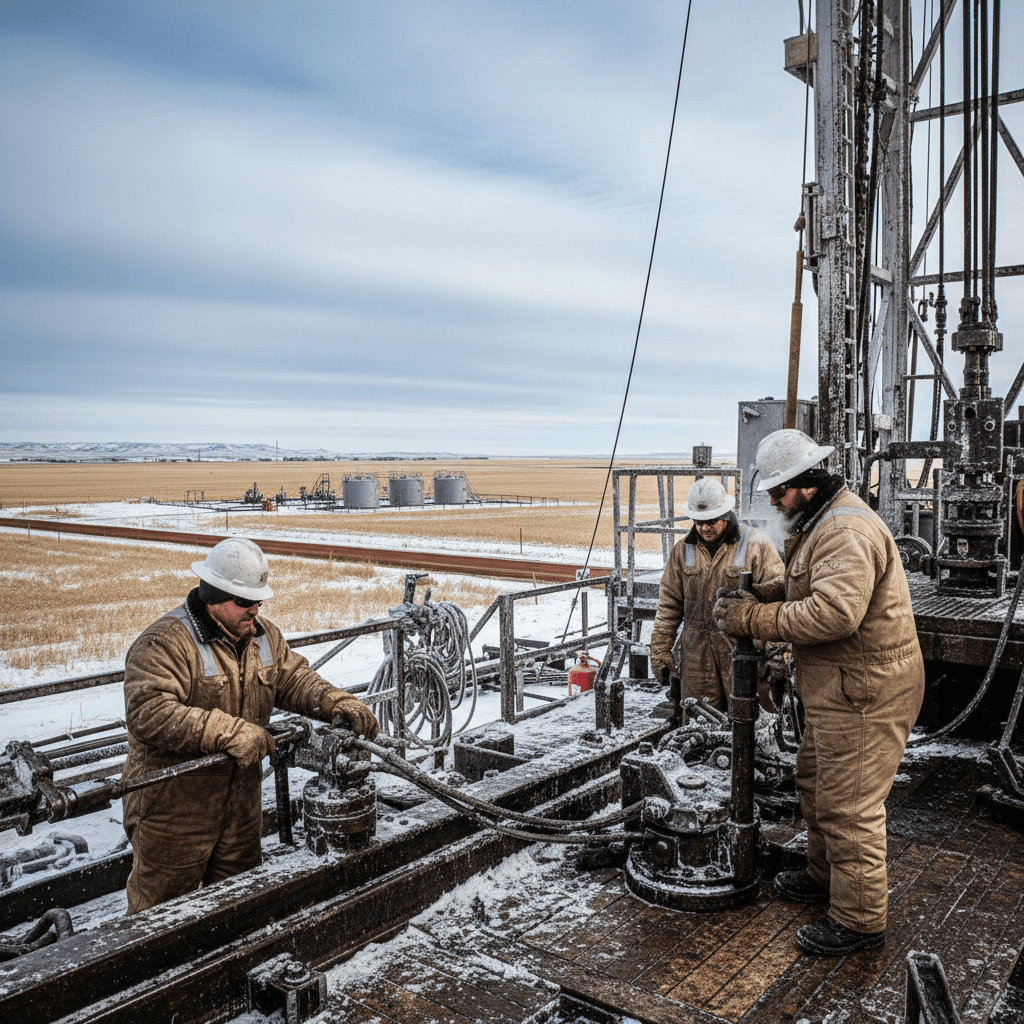
The current operational tempo suggests a "new normal" for the Bakken, where efficiency gains allow significant production from a lower number of rigs. This efficiency lessens the direct demand for a massive mobile workforce but sustains a specialized, skilled labor pool essential for ongoing operations. The focus for many communities has shifted from managing explosive growth to maintaining stability and diversifying local economies alongside a mature oil industry.
Source
Bakken Wire Live Data as of Saturday, August 1, 2026