Bakken Rig Count Holds at 27 as Oil Prices Show Modest Gains
Steady activity level suggests stable workforce demand in North Dakota's oil-producing region as WTI nears $76.
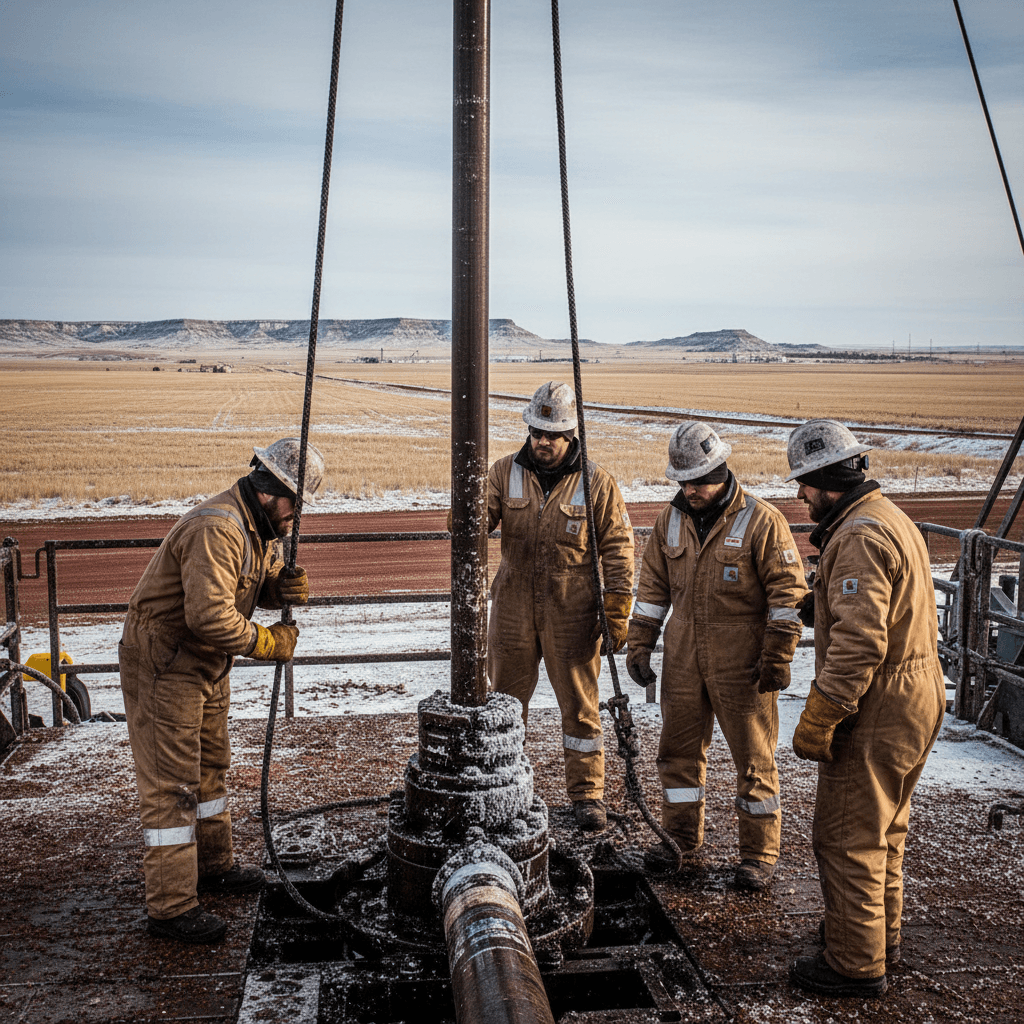
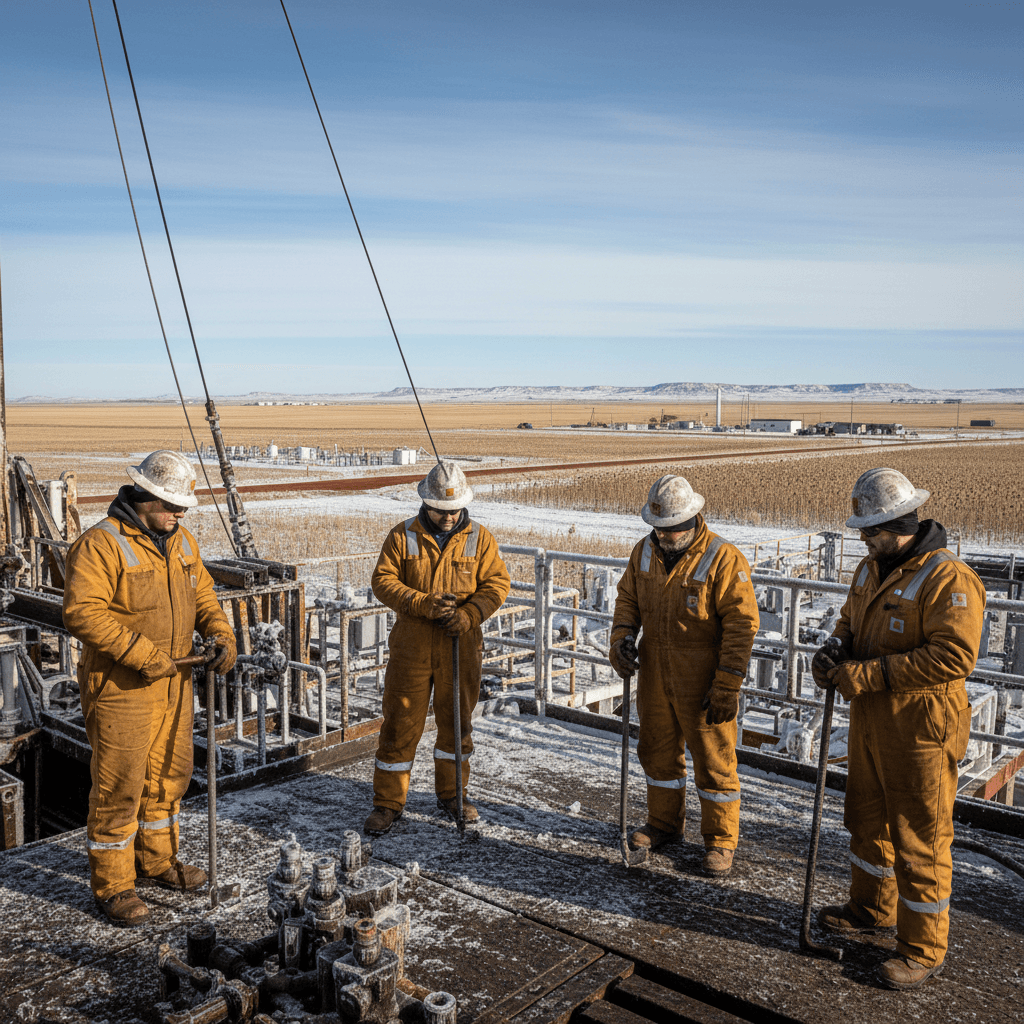
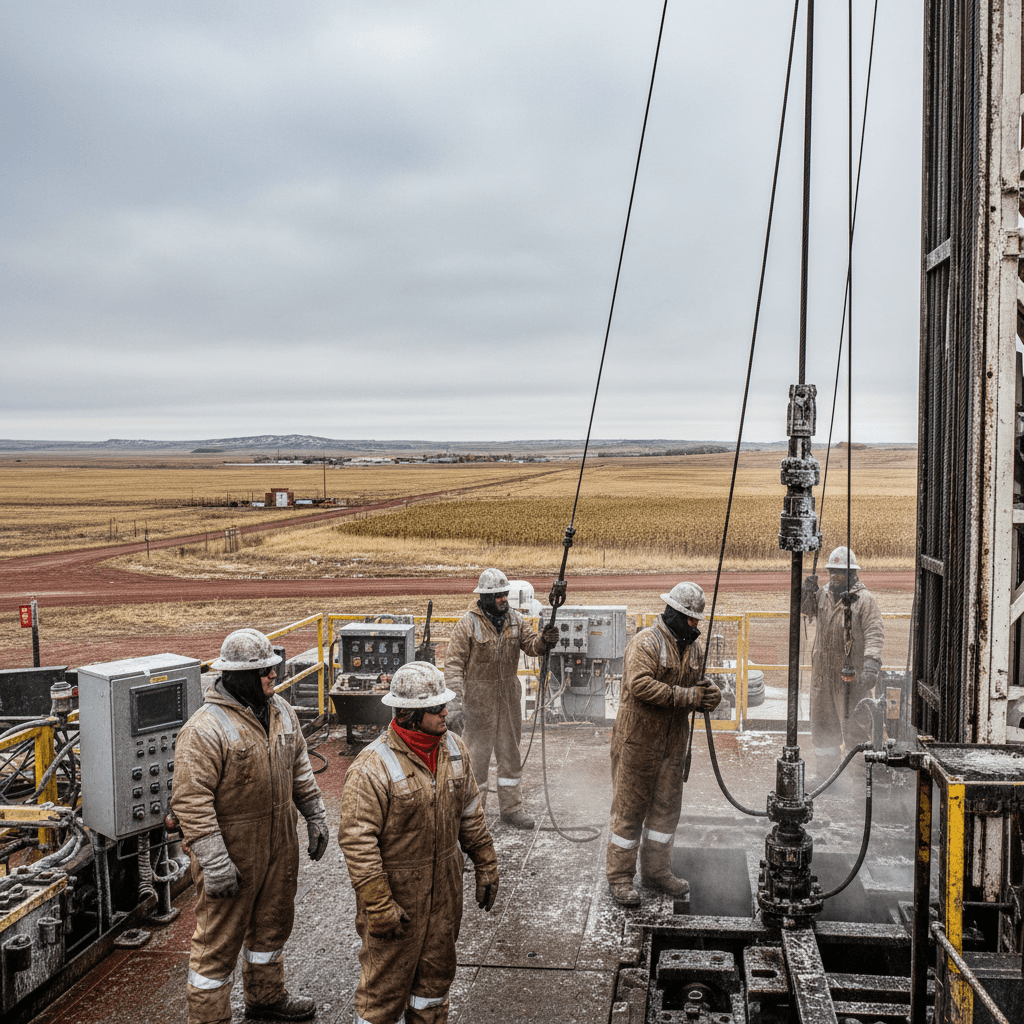
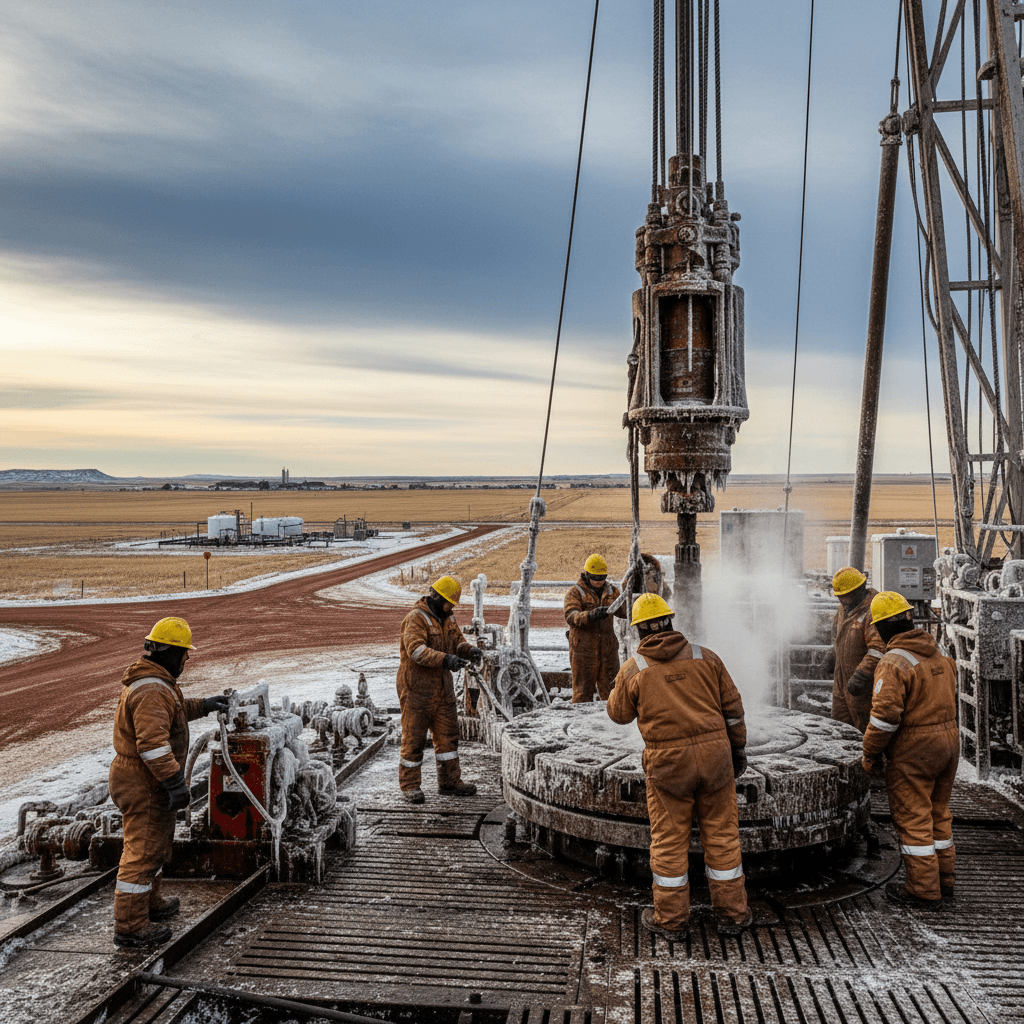
The number of active drilling rigs in North Dakota held steady at 27 on Wednesday, a level indicative of a mature, stable phase of development for the Bakken formation. The consistent rig count, coupled with oil prices showing modest gains, points to sustained but measured demand for oilfield workers and support services in the region's communities.
West Texas Intermediate (WTI) crude was trading at $75.92 per barrel, up 0.86% or 65 cents, according to midday data. The international benchmark Brent crude traded at $79.53, a gain of 57 cents. The Bakken crude differential, the discount at which local crude trades versus WTI, was -$3.42.
The current rig count, which has fluctuated narrowly in recent quarters, is a primary driver for direct oilfield employment, including drilling crews, completions teams, and well servicing personnel. A stable count generally correlates with stable payrolls, reducing the boom-and-bust cycle that has historically characterized the region's job market. Indirect employment in sectors like transportation, manufacturing, and hospitality is also closely tied to this core activity level.
For local economies and housing markets in western North Dakota, the steady operational tempo provides a predictable baseline. During periods of high rig counts and spiking oil prices, communities often face severe strain on housing, infrastructure, and public services. The current environment is less likely to trigger acute shortages or rapid inflation in local costs, allowing municipalities to plan and budgets to normalize.
The price of natural gas, another key commodity produced in the Bakken, was listed at $3.16 per MMBtu. While not a primary driver for Bakken drilling, natural gas revenues contribute to overall well economics and operator cash flow.
The Bakken formation remains the economic engine of western North Dakota, where oil and gas extraction directly and indirectly supports a significant portion of the workforce and local government revenues. The relationship between rig activity, commodity prices, and community impact is fundamental, influencing everything from school funding and road maintenance to retail sales and population trends.
Source
Bakken Wire Live Data as of midday, June 17, 2026