Bakken Rig Count Holds at 28 Amid Midday Oil Price Slide
Workforce stability persists as operational tempo remains anchored by moderate crude prices despite a sharp midday sell-off.
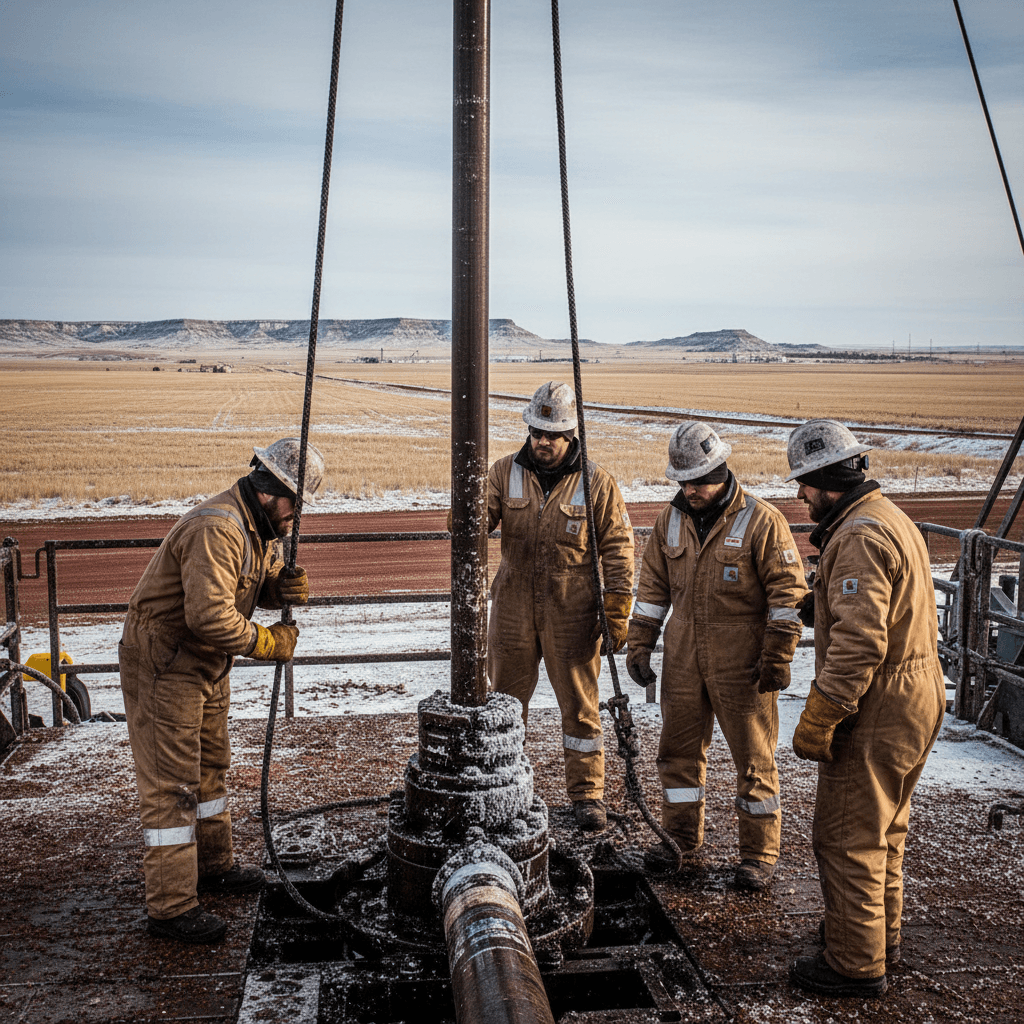
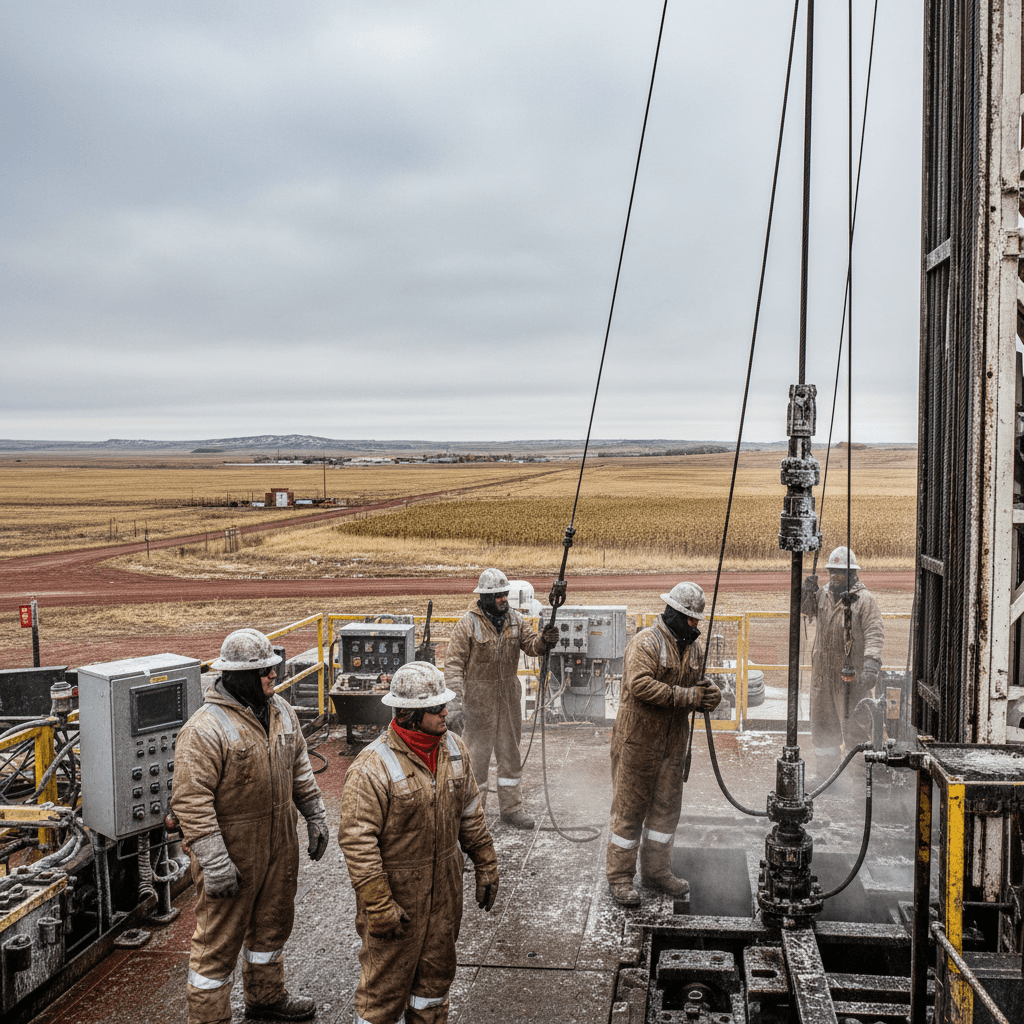
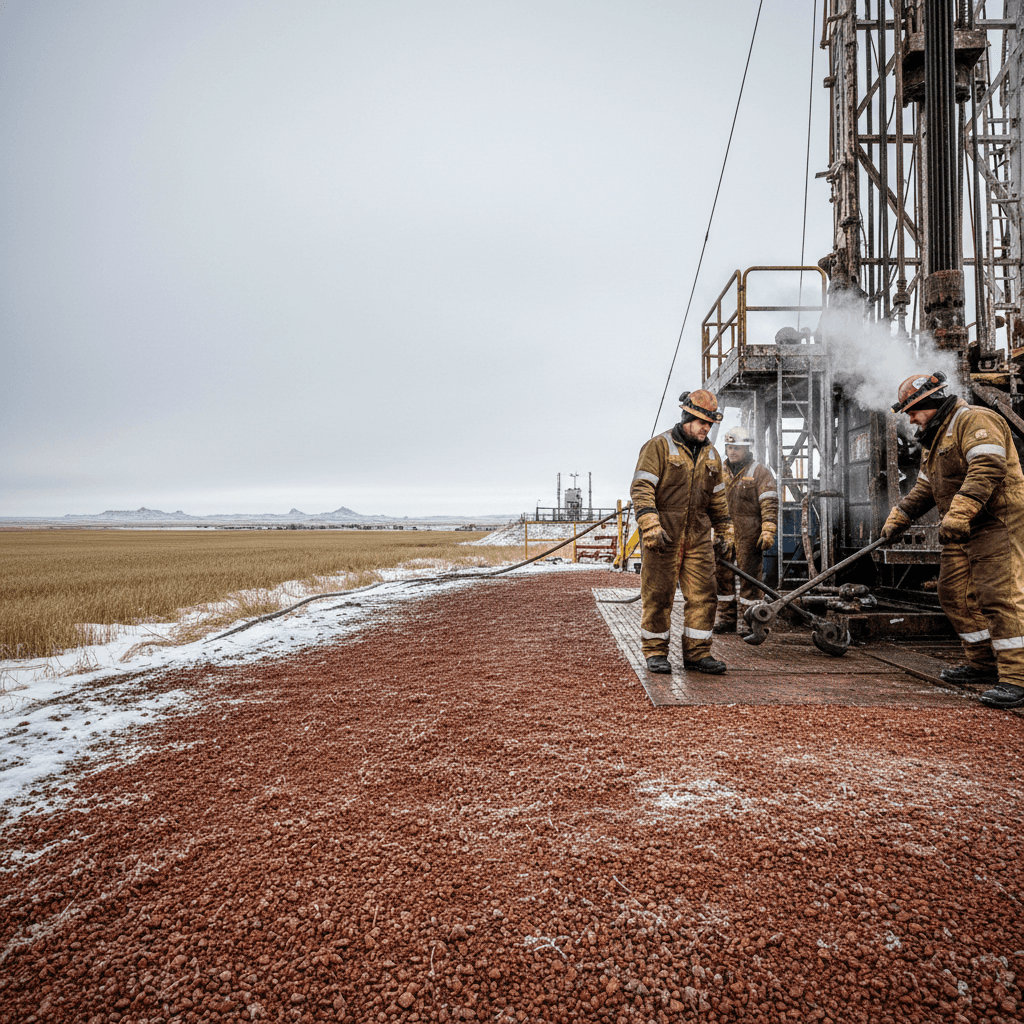
The active drilling rig count in North Dakota held steady at 28 on Wednesday, providing a measure of stability for the Bakken region's workforce even as crude oil prices fell sharply in midday trading. The current rig level reflects a sustained, moderate pace of development activity in the formation.
The midday energy markets showed significant pressure. West Texas Intermediate (WTI) crude traded at $70.43 per barrel, down $2.78 or 3.8% on the session. The international benchmark Brent crude was at $73.96, down $3.12 or 4.05%. Bakken crude traded at a discount of $3.42 per barrel to WTI. Natural gas held at $3.23 per million British thermal units.
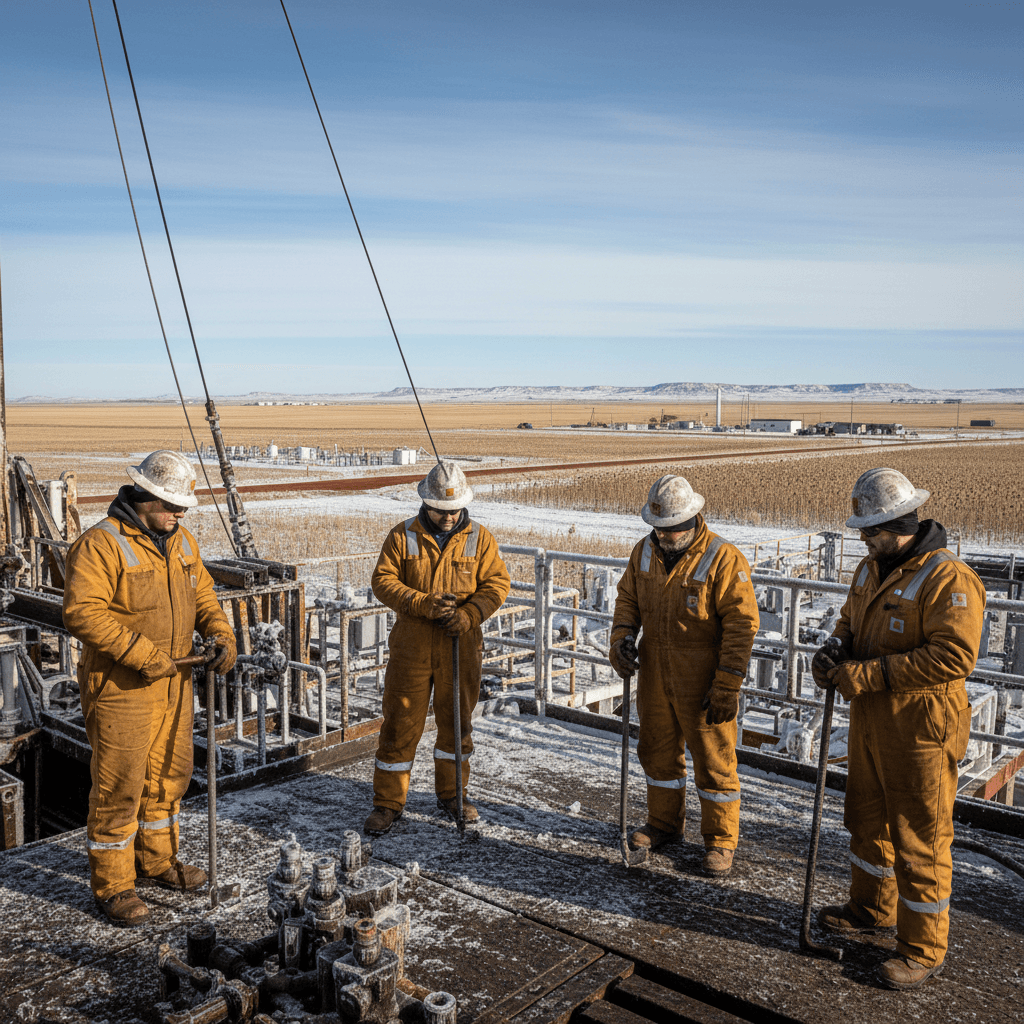
Historically, the rig count serves as a leading indicator for oilfield employment, with direct impacts on drilling, completion, and oilfield service crews. A count in the high 20s suggests a baseline level of activity that supports core operational jobs but does not drive the rapid workforce expansion and associated strains seen during boom periods.
This equilibrium influences broader community metrics in western North Dakota. Housing markets, which experienced extreme volatility during past boom-and-bust cycles, typically stabilize when rig counts plateau at a predictable level. Local government revenues, closely tied to oil production and extraction taxes, become more forecastable, allowing for steadier community planning and services.
The current price environment, with WTI above $70 despite the day's decline, generally supports this maintained operational level. However, the midday price drop highlights the ongoing market sensitivity that Bakken operators monitor closely. Prolonged price weakness can lead to reduced capital budgets and potential rig count adjustments, which would directly impact the workforce and local economic activity.
For now, the steady rig count indicates that companies are continuing with planned drilling programs, sustaining demand for field personnel, trucking, logistics, and local business services across the Williston Basin. The focus for many operators remains on efficiency and cost control, maximizing output from each well drilled to maintain profitability within the current price band.
Source
Bakken Wire Live Data, June 24, 2026