Bakken Rig Count Holds at 28 Amid Sharp Oil Price Drop
Steady drilling activity provides workforce stability, but falling crude prices cast shadow over region's economic outlook.
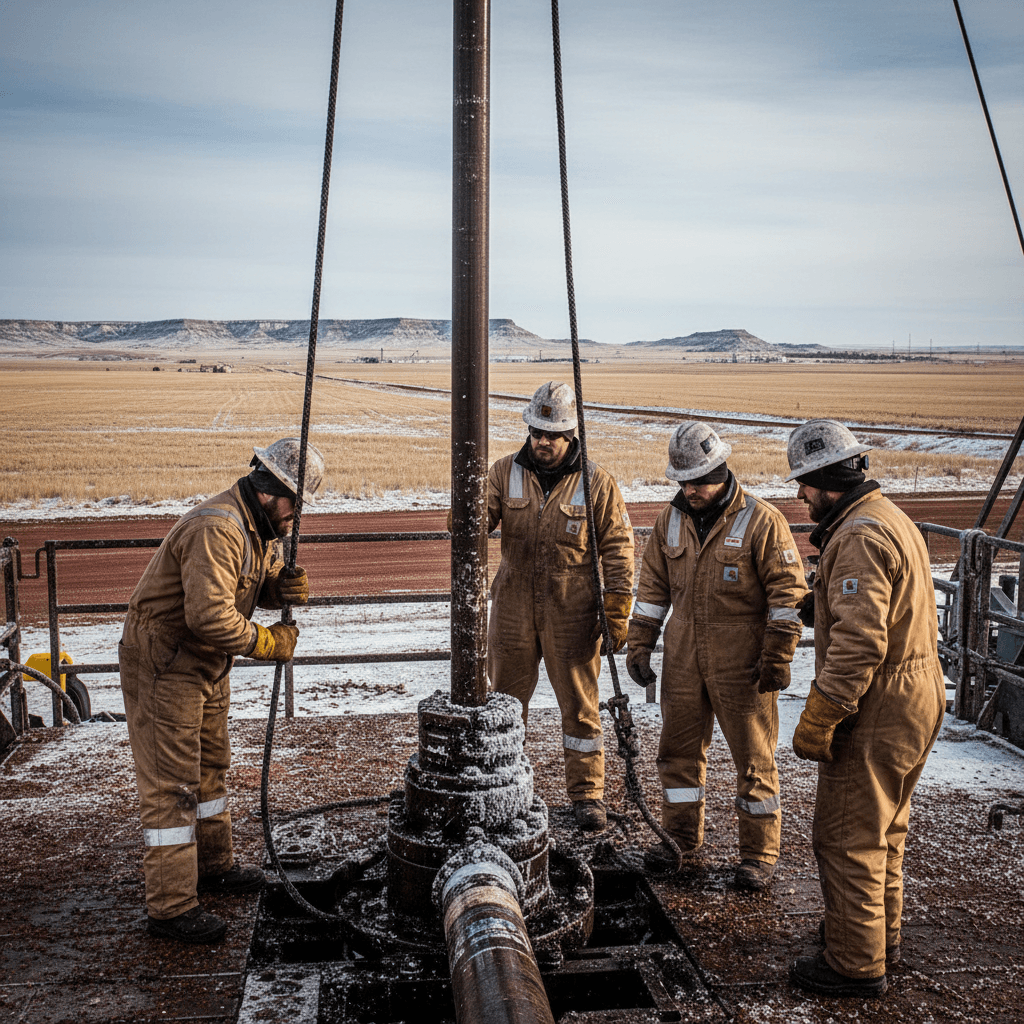
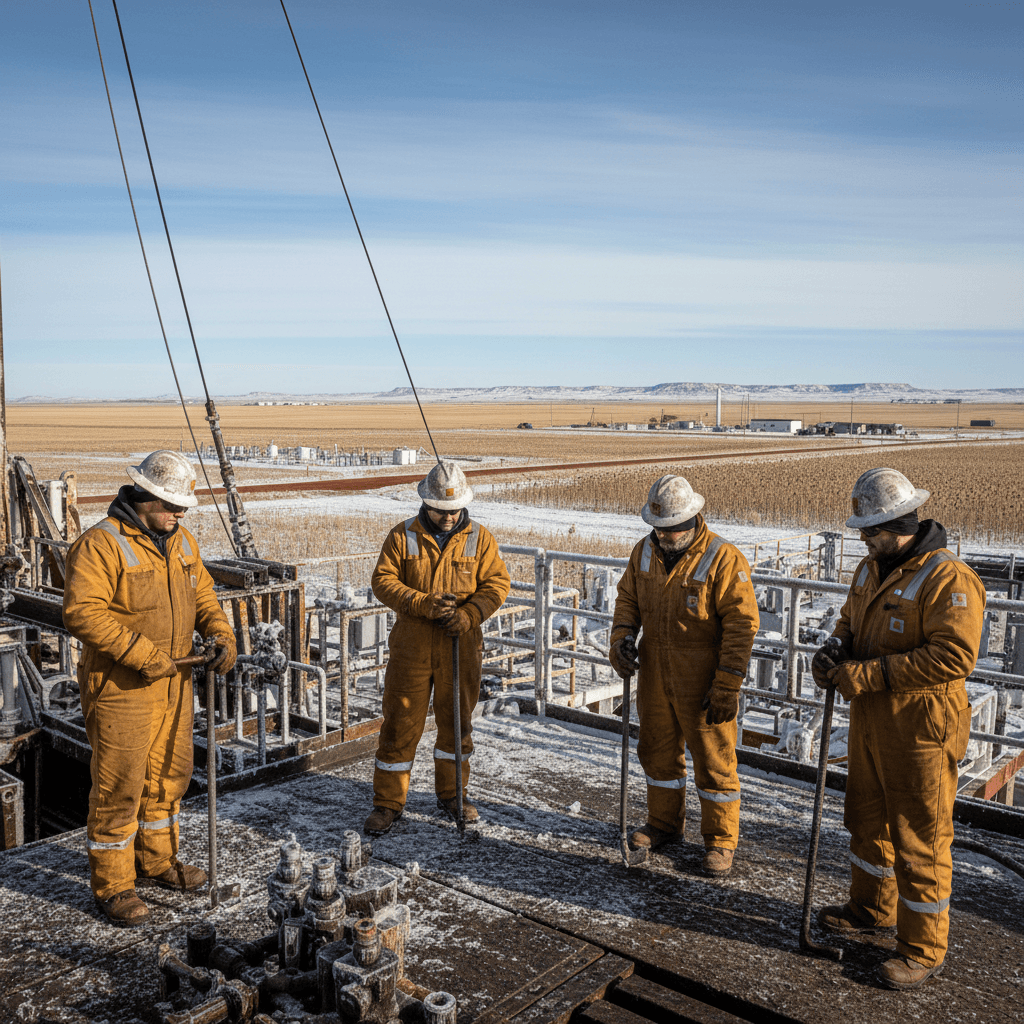
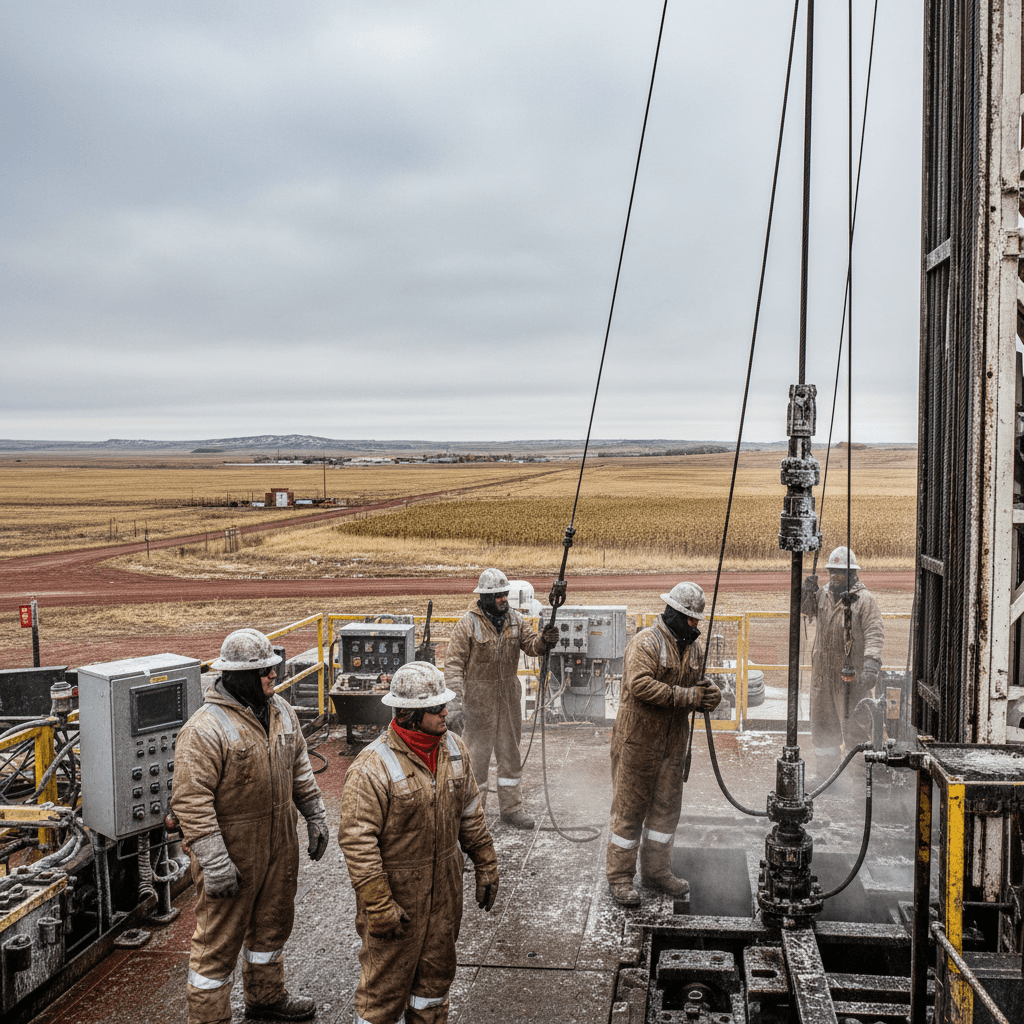
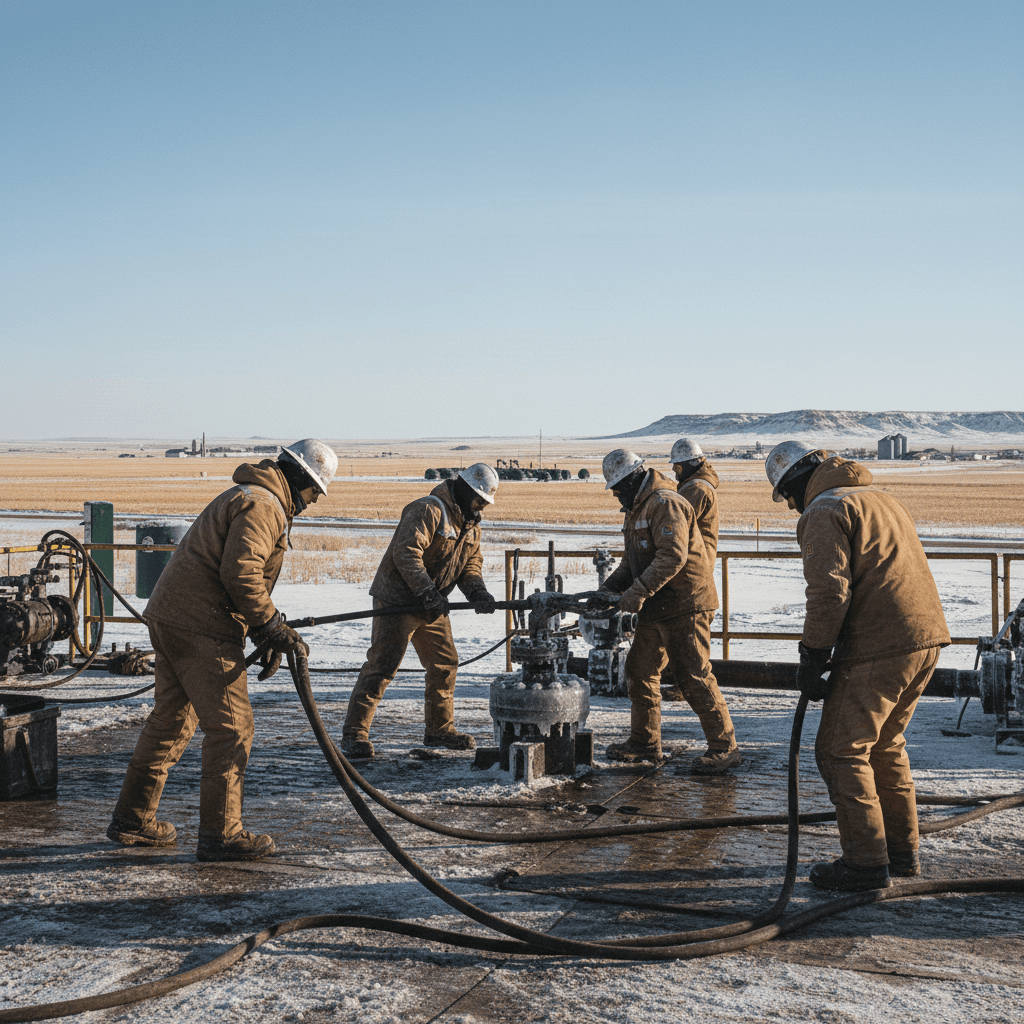
The number of active drilling rigs in North Dakota held steady at 28 on Tuesday, providing a measure of stability for the Bakken region's workforce even as crude oil prices fell sharply. The current rig count, a key barometer for oilfield employment, suggests a sustained but cautious level of operational activity across the Williston Basin.
According to live Bakken data, West Texas Intermediate (WTI) crude closed the midday session at $86.46 per barrel, down $4.84 or 5.3% for the day. The international benchmark Brent crude fell to $90.08. The Bakken crude differential, the discount at which local crude trades versus WTI, was $3.42. Natural gas was priced at $3.15 per MMBtu.
In the Bakken formation, the rig count is directly tied to employment levels for drilling crews, hydraulic fracturing teams, and oilfield service companies. A stable count in the high-20s indicates a continued demand for skilled labor, supporting jobs and wages in western North Dakota communities. This activity underpins local economies through spending on housing, retail, and services.
Historically, periods of high rig activity have led to tight housing markets and population growth in oil-producing counties, while downturns have triggered outmigration and economic contraction. The current moderate activity level likely corresponds to a balanced pressure on community infrastructure and housing compared to the boom peaks of the past decade.
The significant single-day drop in oil prices, however, introduces uncertainty for future workforce planning. Sustained lower prices can lead operators to curtail capital spending plans, which may eventually translate into reduced drilling activity and downward pressure on the rig count. For now, the steady operational tempo suggests companies are maintaining their current development programs.
The health of the Bakken workforce and communities remains inextricably linked to the economics of oil extraction. While the active rig count provides a snapshot of present demand for labor, the volatile price of crude oil will be the primary factor determining whether that demand grows, shrinks, or holds steady in the months ahead.
Source
Live Bakken Data as of Tuesday, June 9, 2026