Bakken Rig Count Holds at 28 Amid Sharp Oil Price Drop
Workforce stability persists in western North Dakota despite a nearly 5.5% decline in benchmark crude prices.
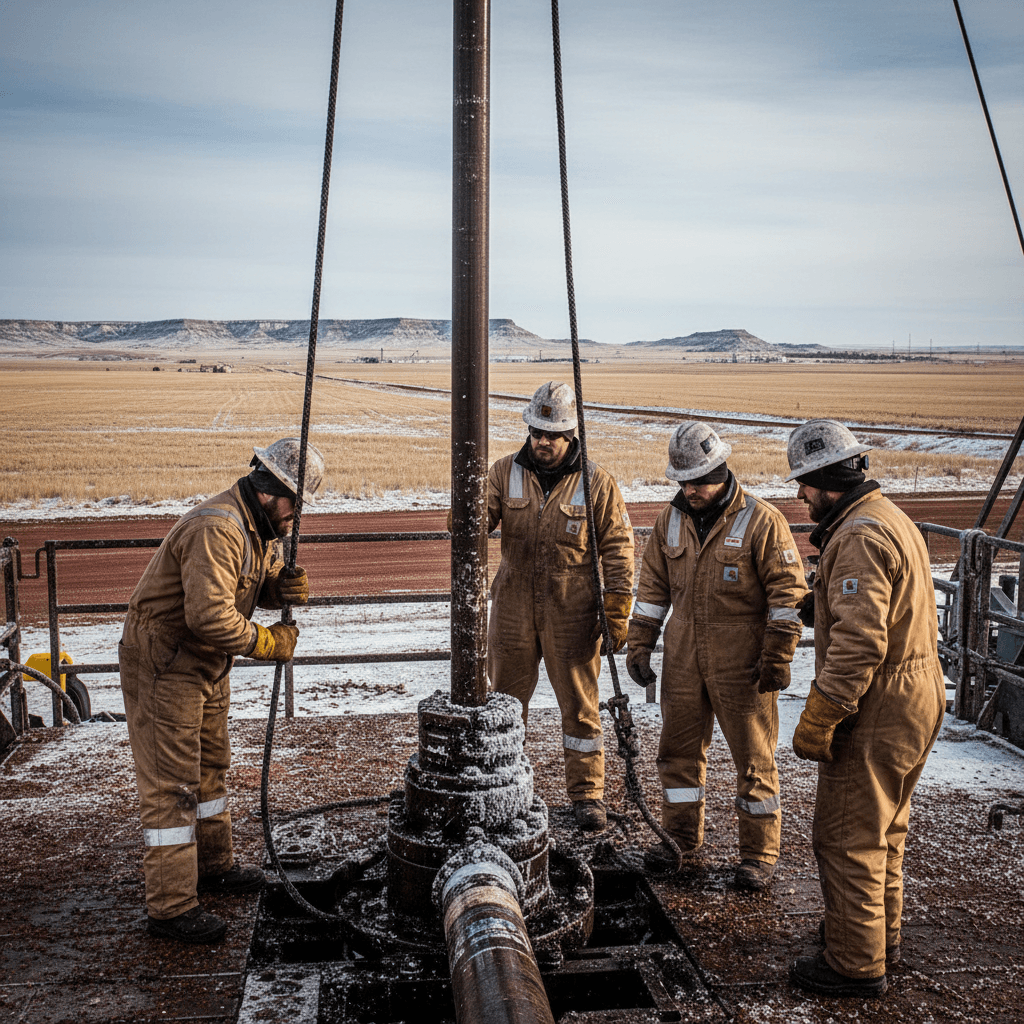
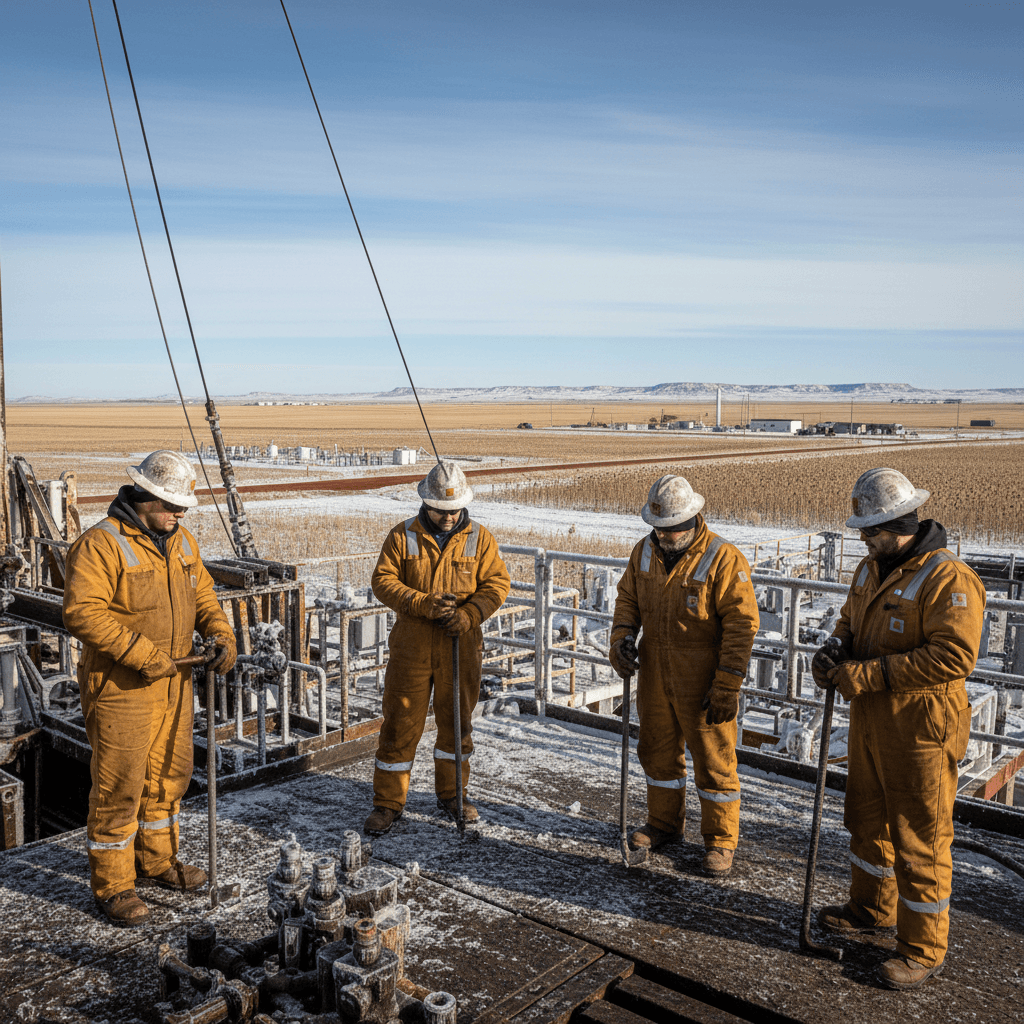
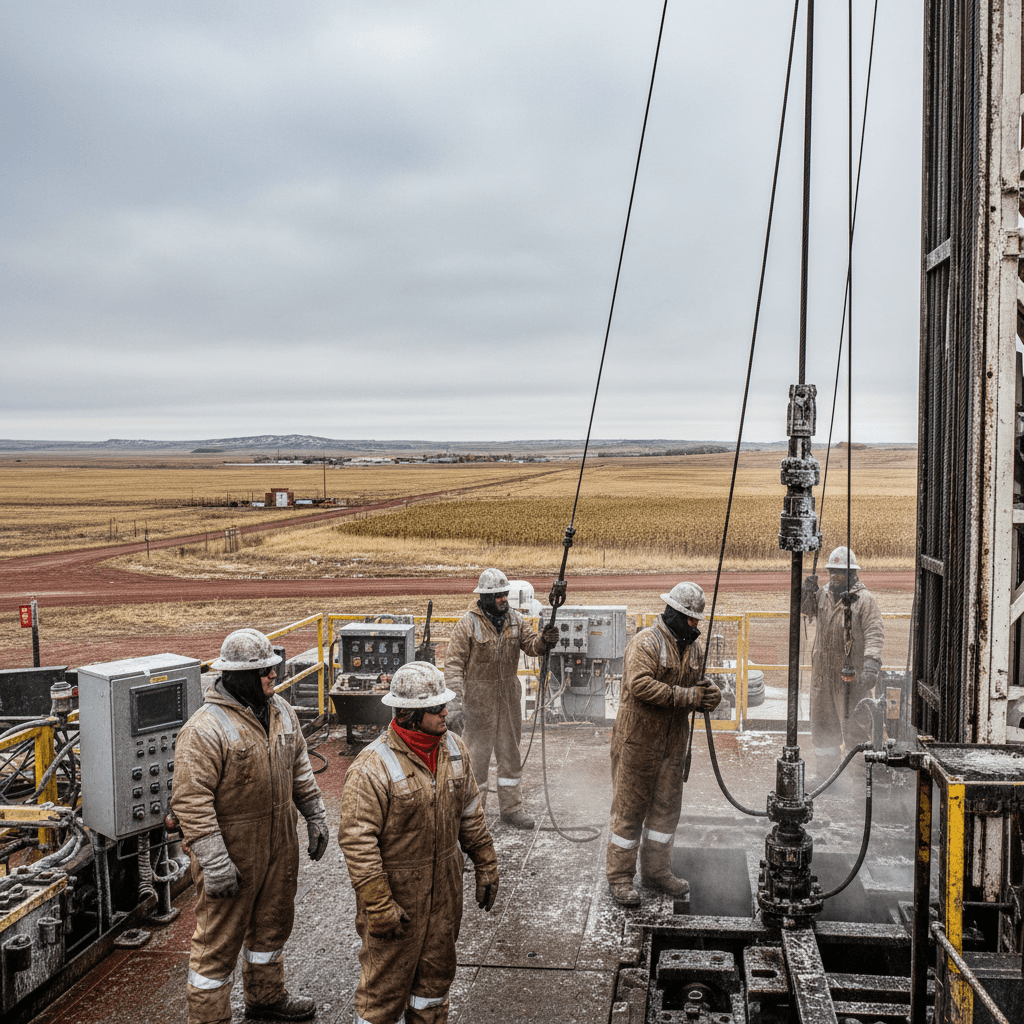
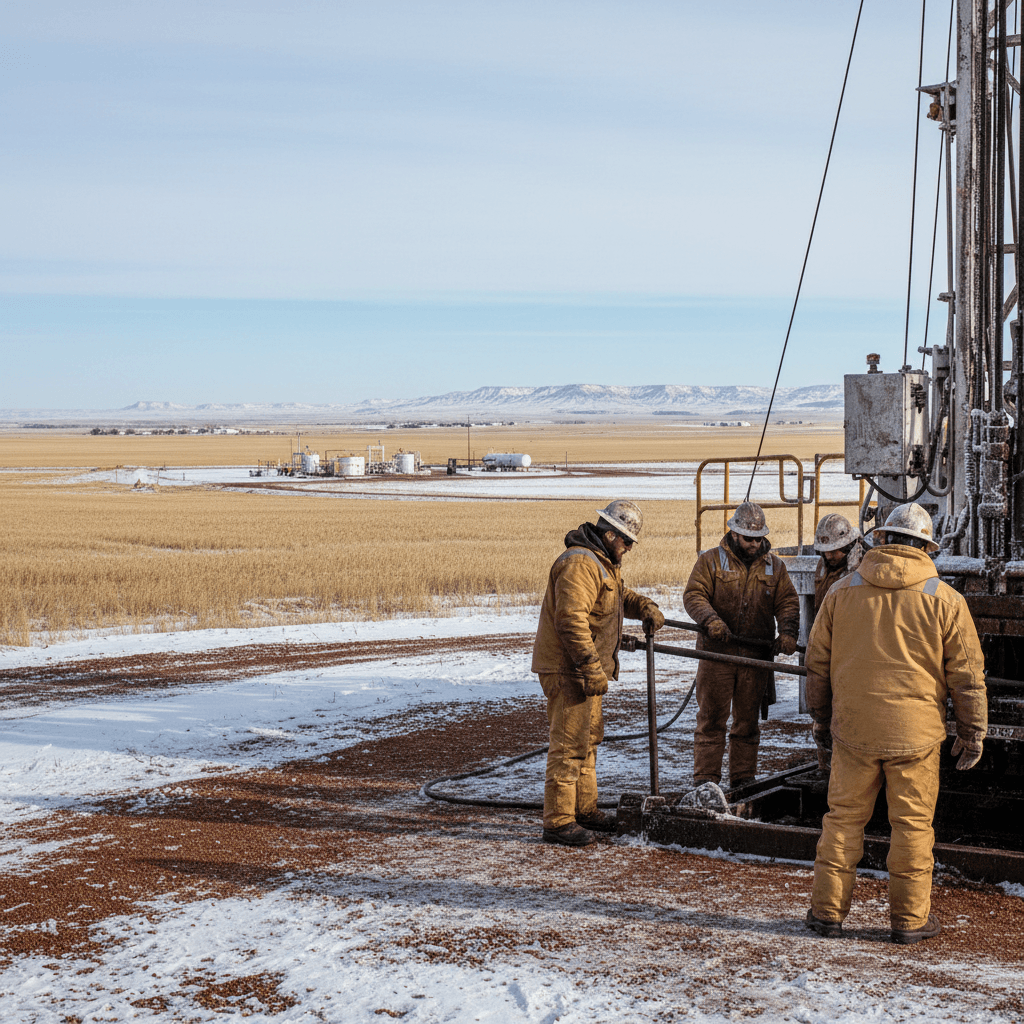
The active drilling rig count in North Dakota held steady at 28 for the week, according to Bakken Wire's live data. This level of activity provides a key indicator of employment and economic activity for the region's oilfield workforce and service companies.
The stability comes despite a significant drop in oil prices. West Texas Intermediate crude fell $4.62 to settle at $80.05 per barrel, a decline of 5.46%. The international Brent benchmark also fell 5.03% to $83.51. The price for Bakken crude at the wellhead is typically discounted against WTI; the current differential is -$3.42.
Historically, the number of active drilling rigs is a leading indicator for direct oilfield employment. A stable rig count suggests a consistent demand for drilling crews, rig operators, and related service personnel. The current count of 28 rigs represents a fraction of the peak activity seen during previous boom cycles but indicates sustained, moderate operations.
For local communities, the rig count and associated production activity directly influence economic health. Steady activity supports jobs not only in the oilfield but also in supporting sectors such as housing, retail, and hospitality. Fluctuations in rig counts can quickly impact demand for rental housing, hotel rooms, and local consumer spending in towns like Williston, Watford City, and Dickinson.
The sharp one-day drop in oil prices introduces a note of caution. Sustained lower prices can lead operators to re-evaluate capital spending plans, which may eventually pressure the rig count and hiring. However, the immediate stability in the rig count suggests operators are maintaining current development programs.
The price of natural gas, another key Bakken commodity, was $2.77 per MMBtu. Lower natural gas prices can reduce the economic value of associated gas produced alongside oil, potentially affecting some operators' margins.
For royalty owners and local governments, steady production at current rig levels supports consistent royalty payments and tax revenues, which fund local services and infrastructure. The relationship between rig activity, production, and community investment is fundamental in the oil-producing regions of western North Dakota.
Source
Bakken Wire Live Data as of Monday, August 3, 2026