Bakken Rig Count Holds at 28 as Oil Prices Provide Stability
Steady activity level suggests a balanced workforce and community environment in North Dakota's oil region.
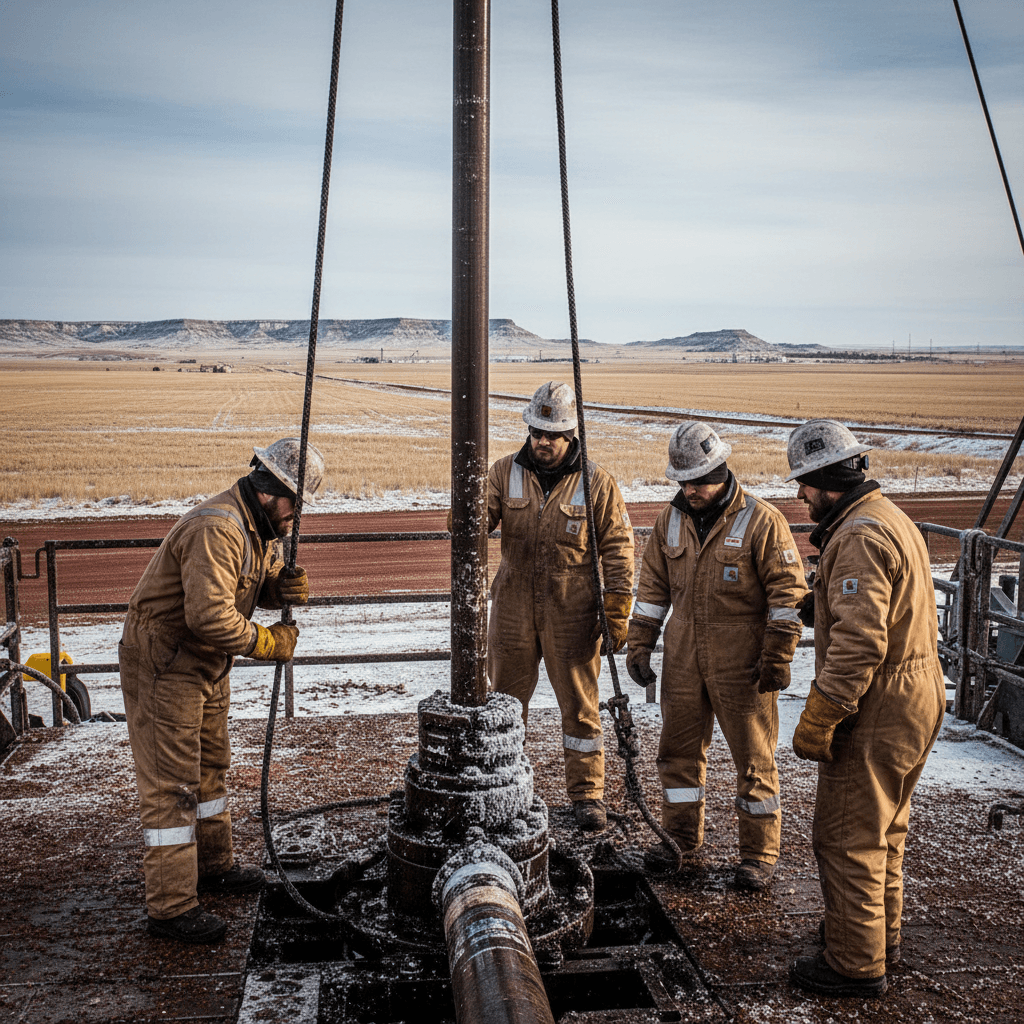
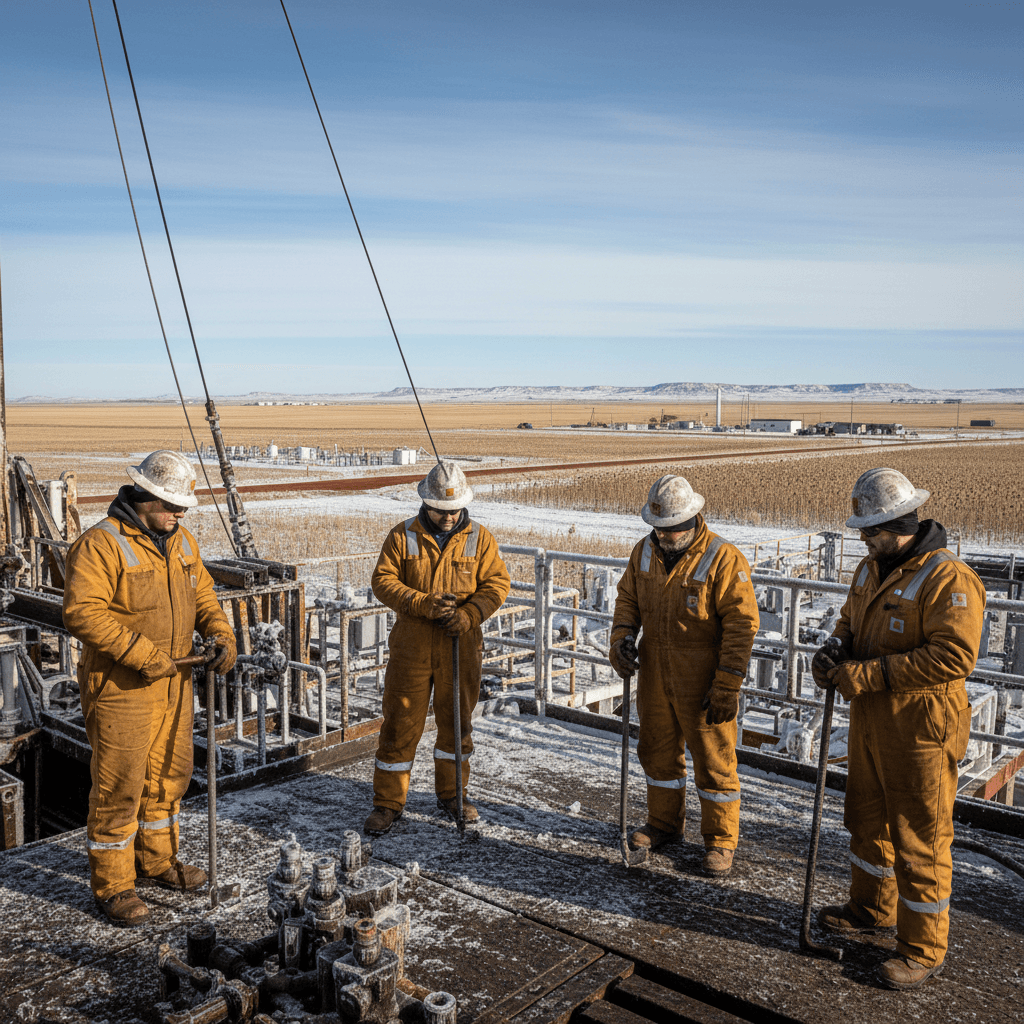
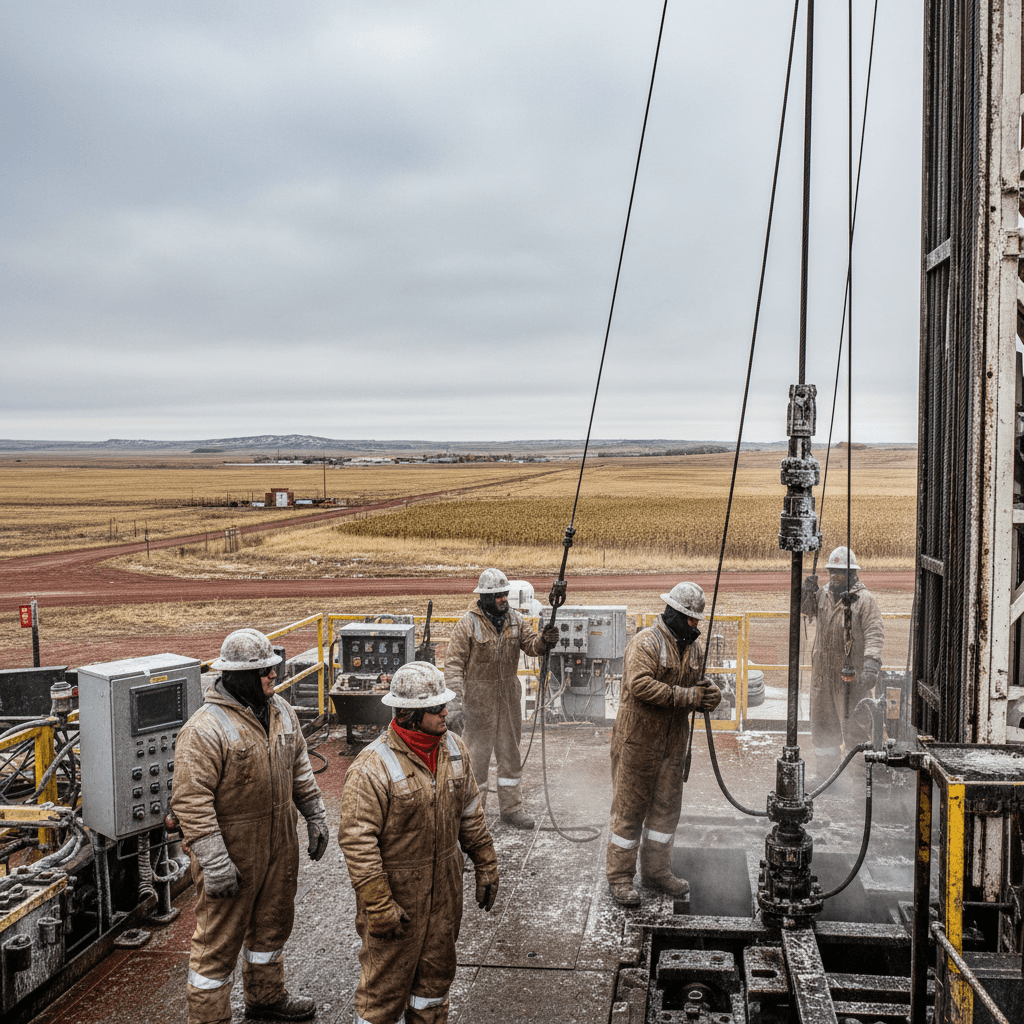
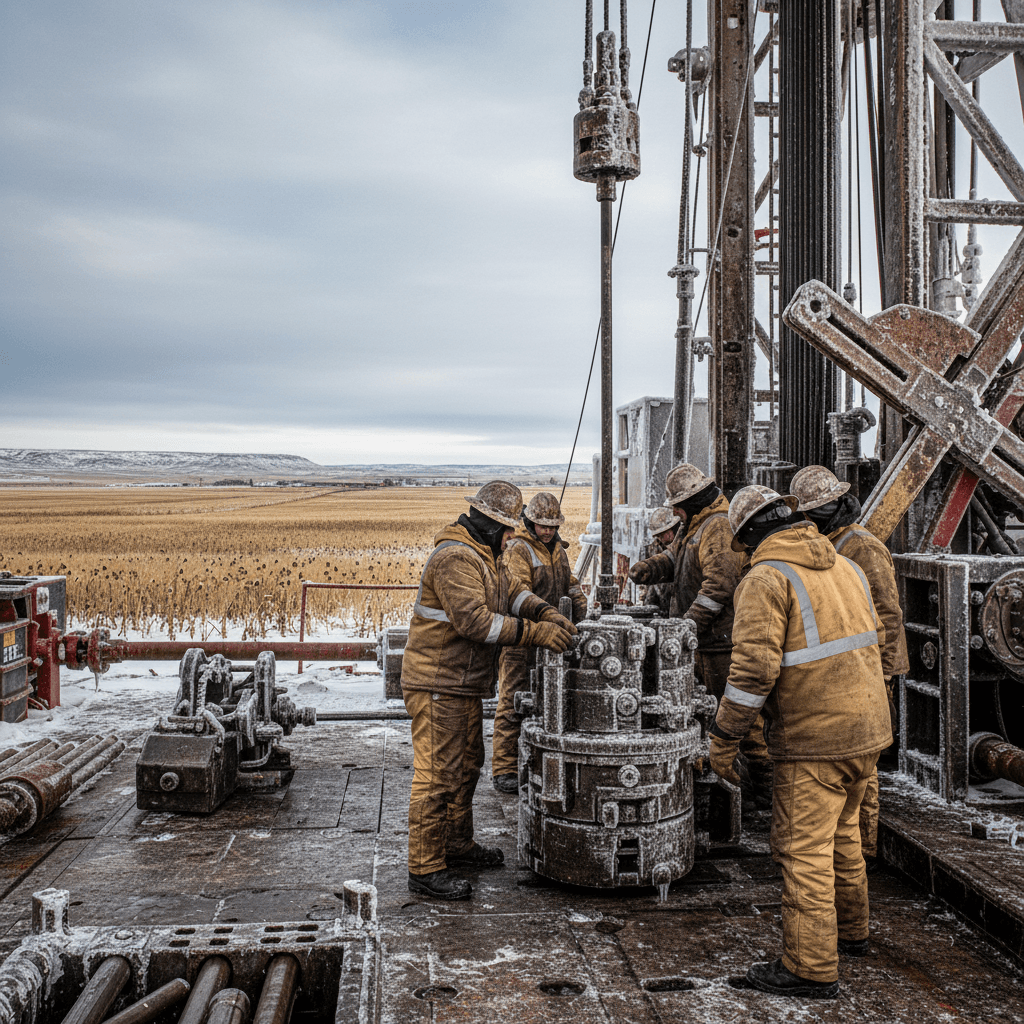
The number of active drilling rigs in North Dakota held steady at 28 on Wednesday, a level that has come to represent a stabilized operational baseline for the Bakken formation. According to Bakken Wire's live data, West Texas Intermediate crude traded at $75.75 per barrel, with the Bakken price at a differential of $-3.42 under that benchmark. Brent crude was slightly higher at $79.74.
The current rig count, far below the boom-era peaks but consistent in recent quarters, indicates a mature phase of controlled activity. This equilibrium has significant implications for the region's workforce and communities. A stable rig count typically correlates with stable employment levels in both direct oilfield jobs and the extensive network of supporting services, from logistics and housing to retail and hospitality.
For local economies in western North Dakota, the sustained mid-$70s oil price environment provides a foundation for municipal budgets and business planning. Prices at this level are generally sufficient to support the current pace of drilling and completion work by operators, but do not typically trigger a rapid expansion that strains housing and infrastructure. The current activity is a cornerstone of the state's economy, but the modest scale helps avoid the severe boom-bust cycles that previously challenged community resources.
The Bakken differential, the discount at which Bakken crude sells compared to WTI, is a key factor in local operator economics. A differential near $-3.00 is considered relatively narrow and supportive of in-basin activity, as it means more of the commodity price makes its way back to the producer. This directly supports the capital budgets that fund drilling programs and, by extension, local employment.
Housing markets in core Bakken counties, which experienced extreme volatility during past cycles, are likely experiencing less pressure. A steady rig count suggests a consistent demand for housing from workers, without the sudden surges that lead to shortages and skyrocketing rents. This allows for more predictable community growth and long-term planning by residents and local governments.
Source
Bakken Wire live data for August 5, 2026