Bakken Rig Count Holds at 29 Amid Sharp Oil Price Rally
Workforce and community stability persist as elevated crude prices support current activity levels in North Dakota's oil fields.
The active drilling rig count in North Dakota remained at 29 on Monday, a level indicative of a stable but measured pace of oilfield activity. The count, reported by Bakken Wire, comes alongside a significant rally in crude oil prices, with West Texas Intermediate (WTI) surging $4.11 to $82.29 per barrel.
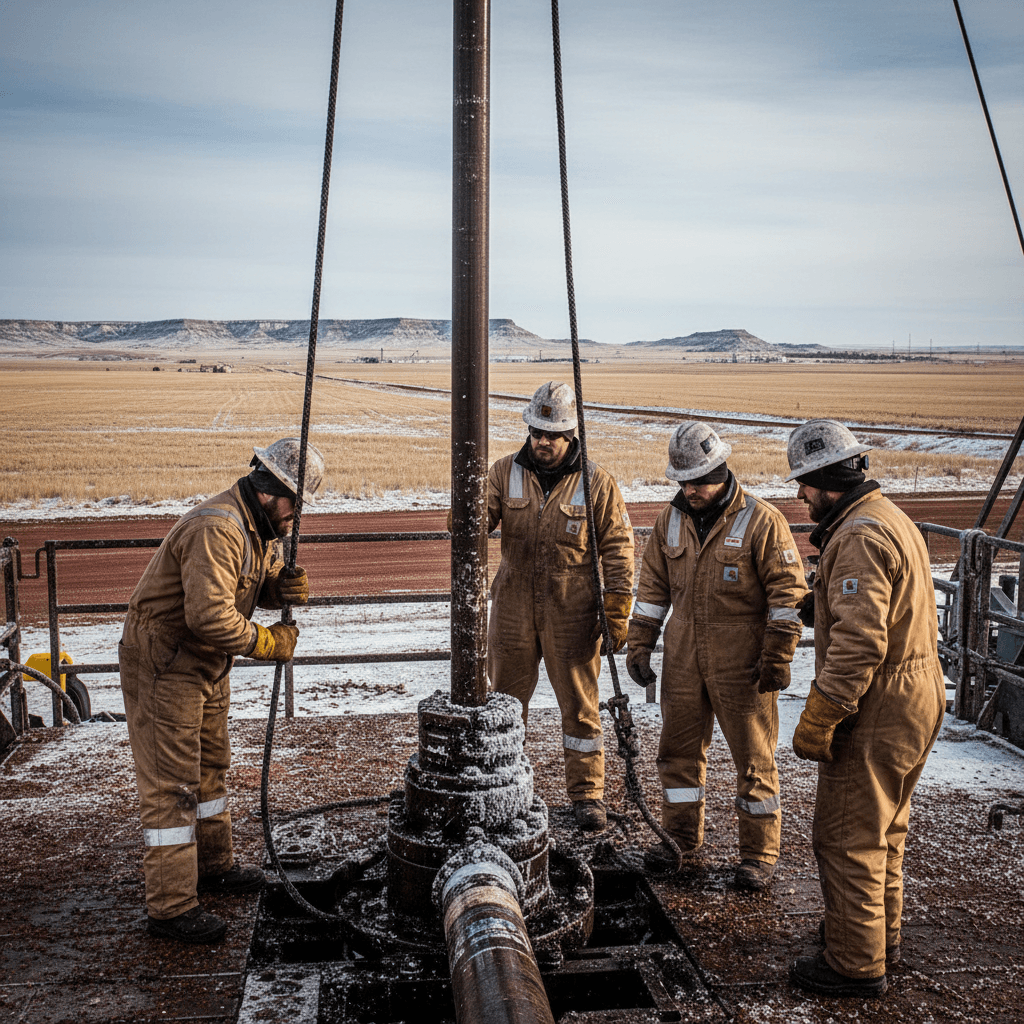
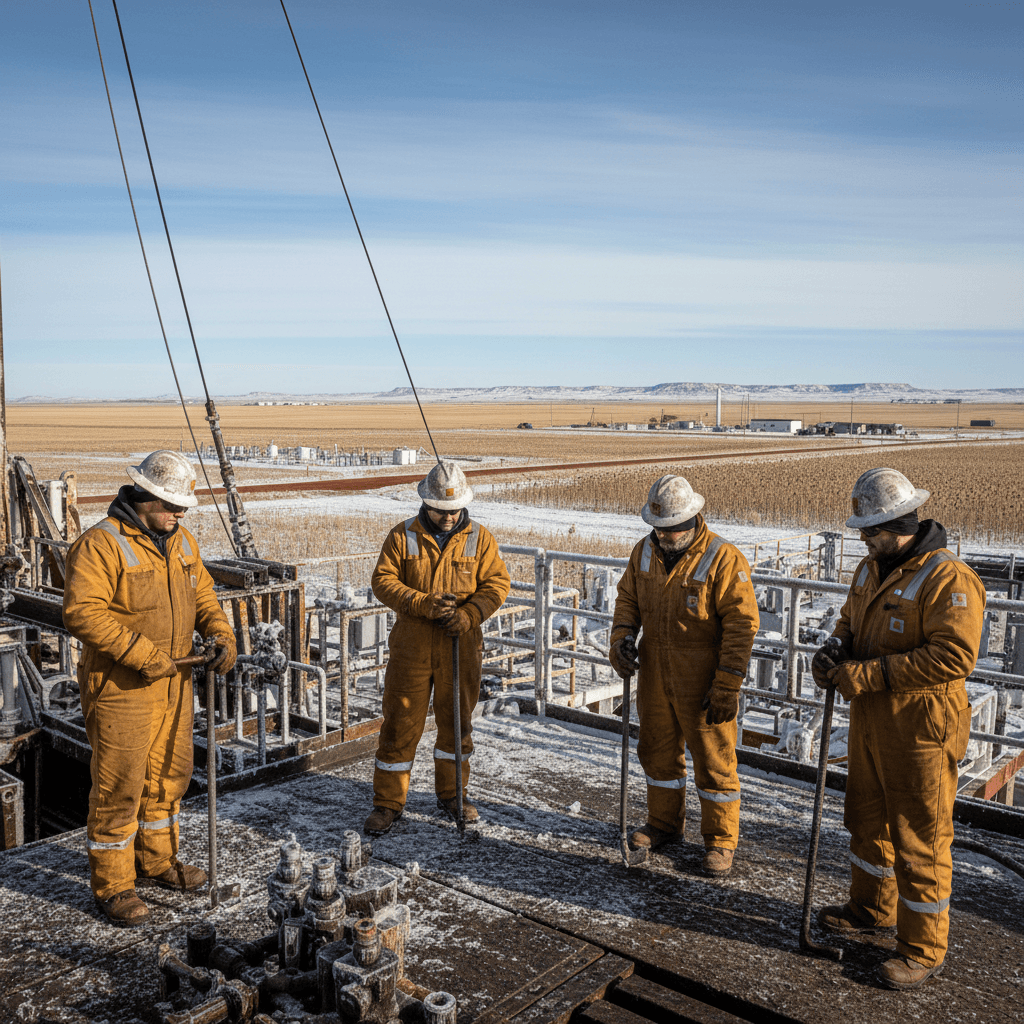
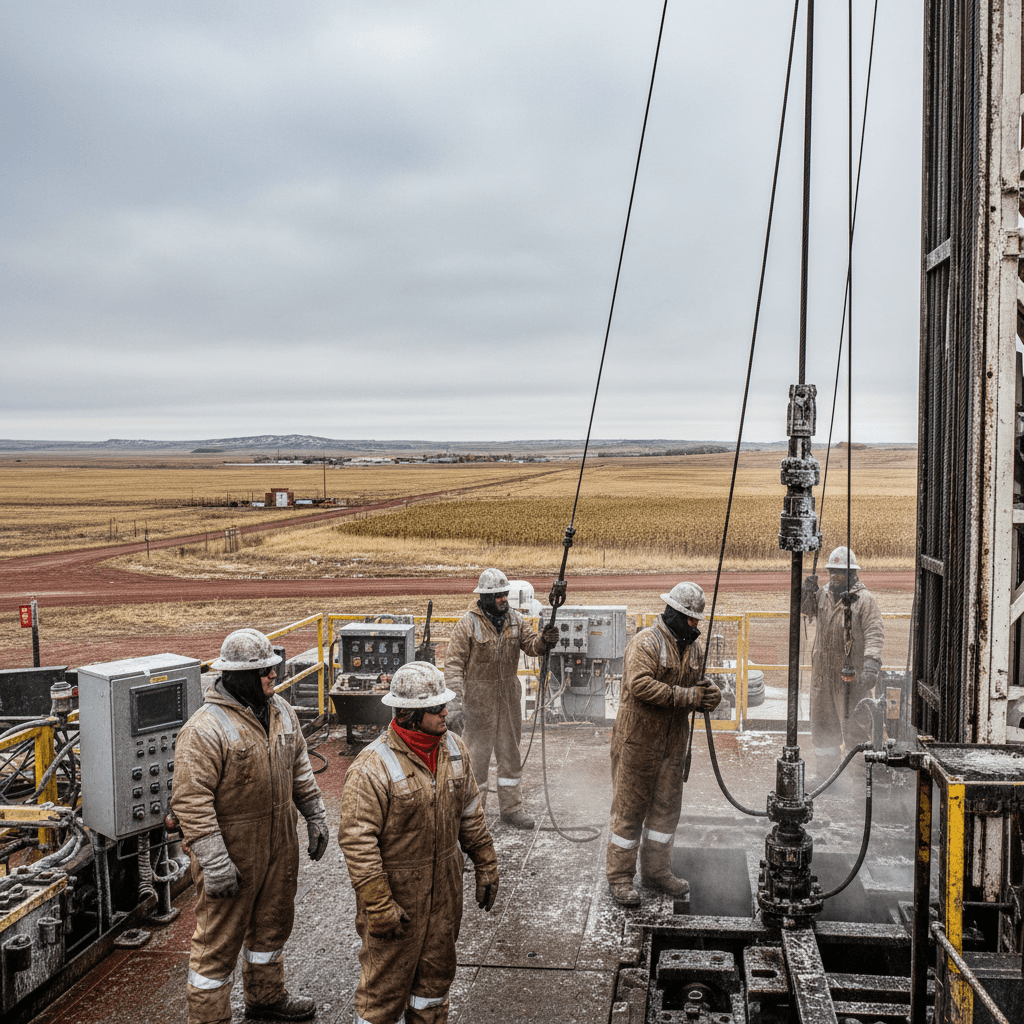
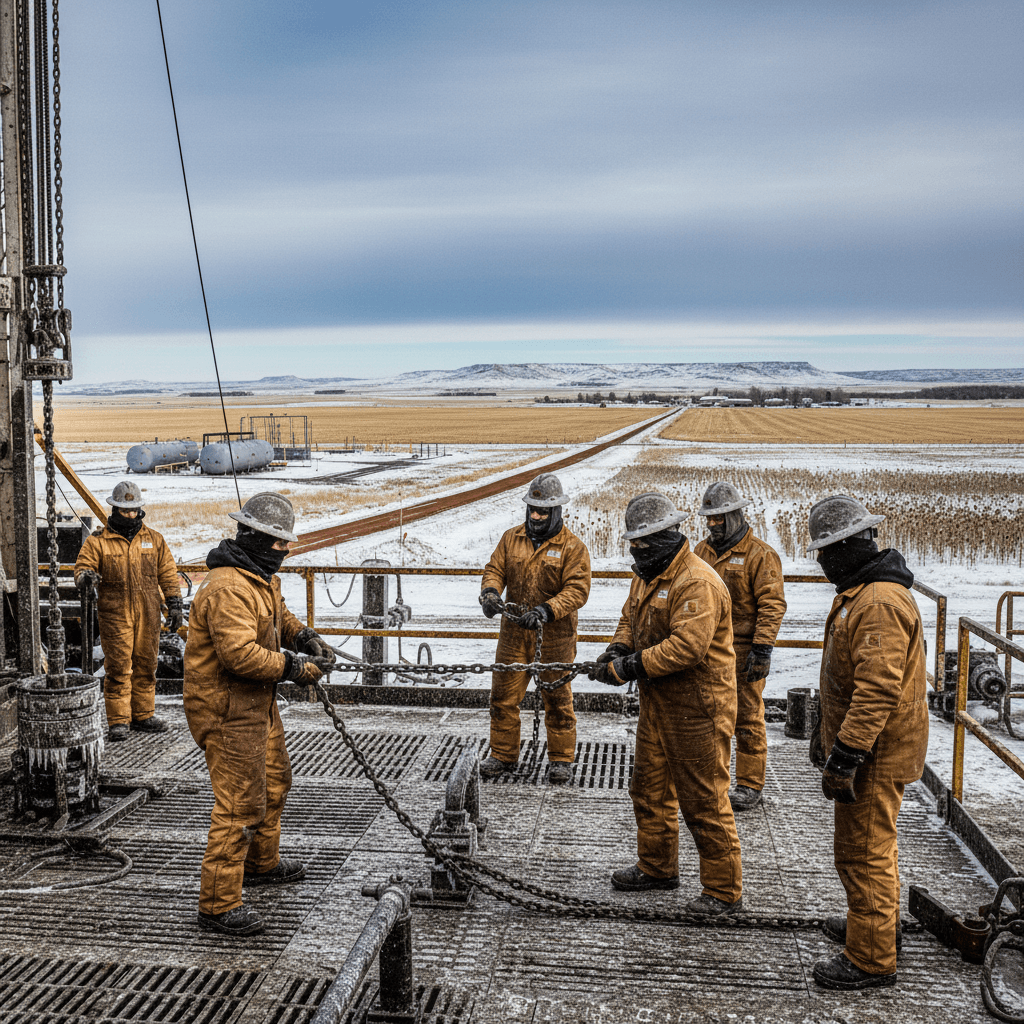
Historically, the number of active drilling rigs is a leading indicator for oilfield employment and service company demand in the Bakken region. The current rig count, while far below the boom-era peaks, supports a consistent workforce focused on efficient production from existing wells and targeted new drilling.
The sharp rise in oil prices provides a stronger revenue backdrop for operators. The Bakken crude differential was reported at -$3.42 versus WTI, meaning Bakken-priced crude is trading around $78.87 per barrel. Sustained prices at this level generally help maintain capital spending plans and discourage workforce reductions.
For local communities across western North Dakota, this equilibrium translates to continued, predictable economic activity. Key sectors like housing, retail, and local services, which experienced extreme volatility during past boom-and-bust cycles, are now more adapted to the current operational tempo. A steady rig count helps prevent the acute housing shortages and inflationary pressures seen during high-growth periods, while also avoiding the severe downturns that lead to widespread layoffs and outmigration.
The stability in direct oilfield jobs, including drilling, completion, and production personnel, has a cascading effect on the broader regional economy. Service companies, trucking firms, and equipment suppliers can plan with more certainty. However, the current activity level is unlikely to generate the large-scale hiring waves that characterized the previous decade's boom, focusing instead on retention and skilled labor efficiency.
The natural gas price, reported at $2.78 per MMBtu, remains a secondary factor for the primarily oil-focused Bakken, though it influences the economics of gas capture and processing infrastructure investments.
Source
Bakken Wire live data for August 10, 2026.