Bakken Rig Count Holds at 29 as Oil Prices Rally Above $93
Stable drilling activity suggests a plateau for regional employment and housing markets, with elevated crude prices supporting current operations.
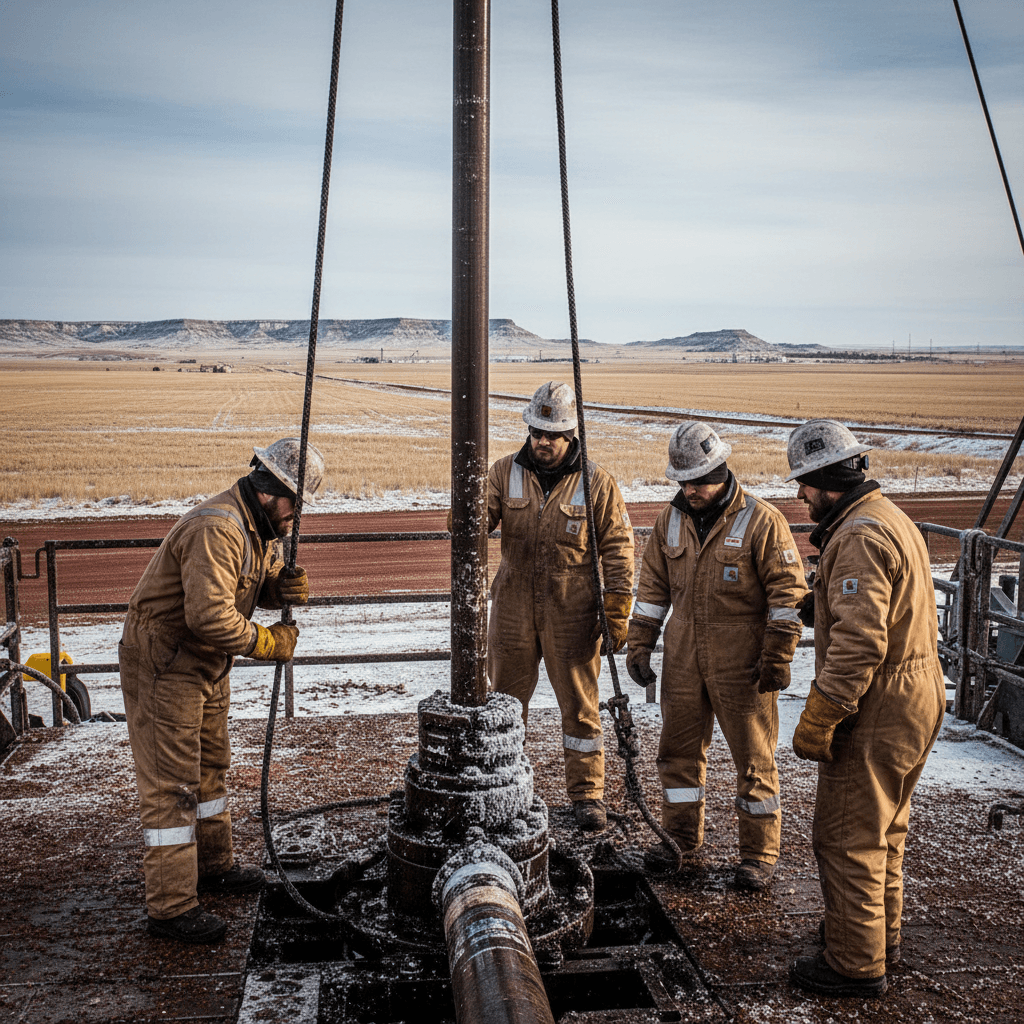
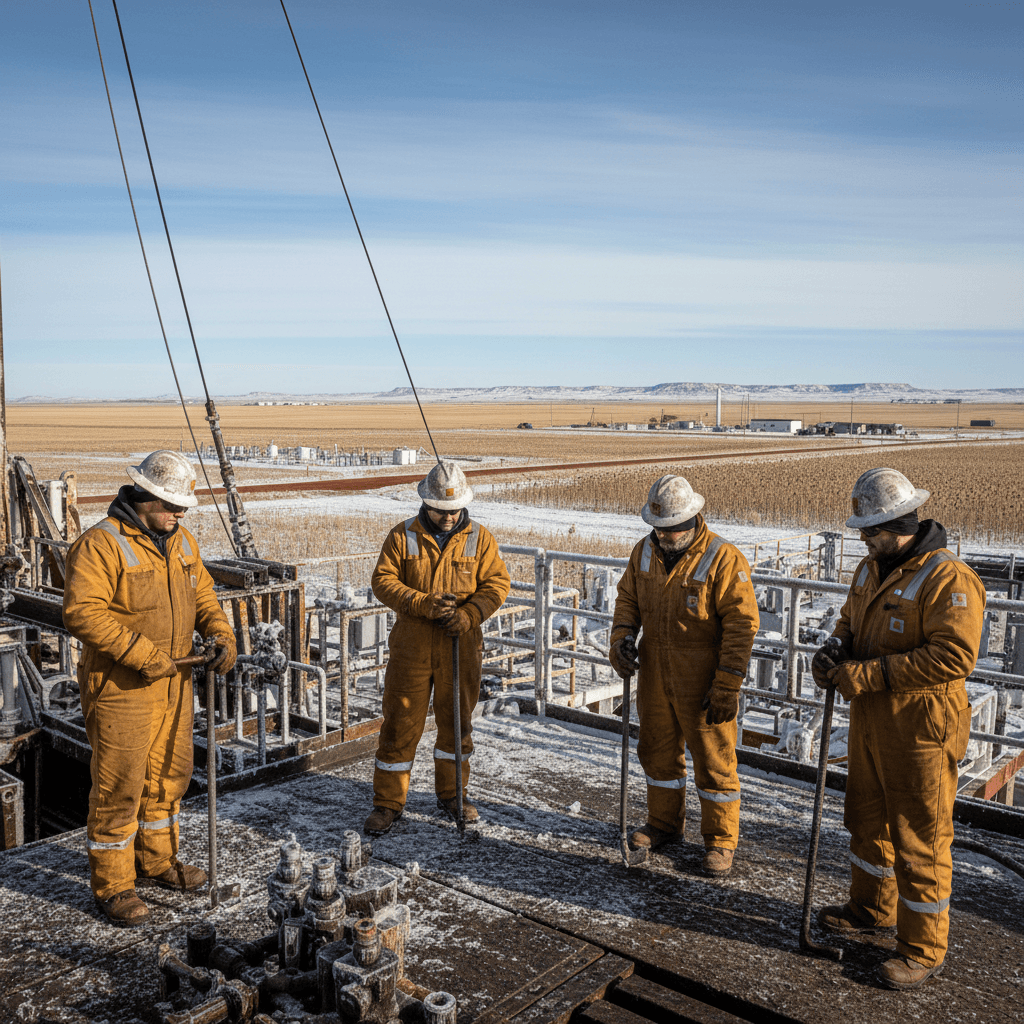
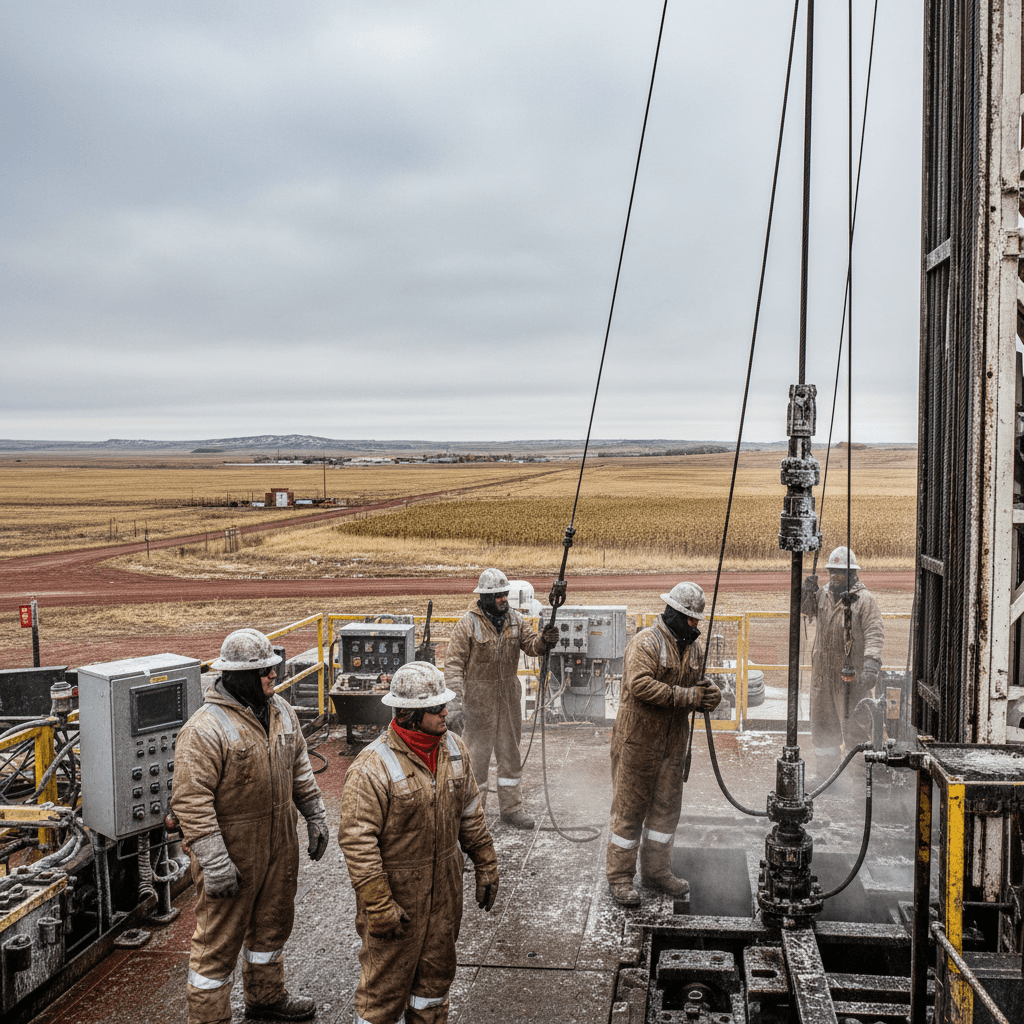
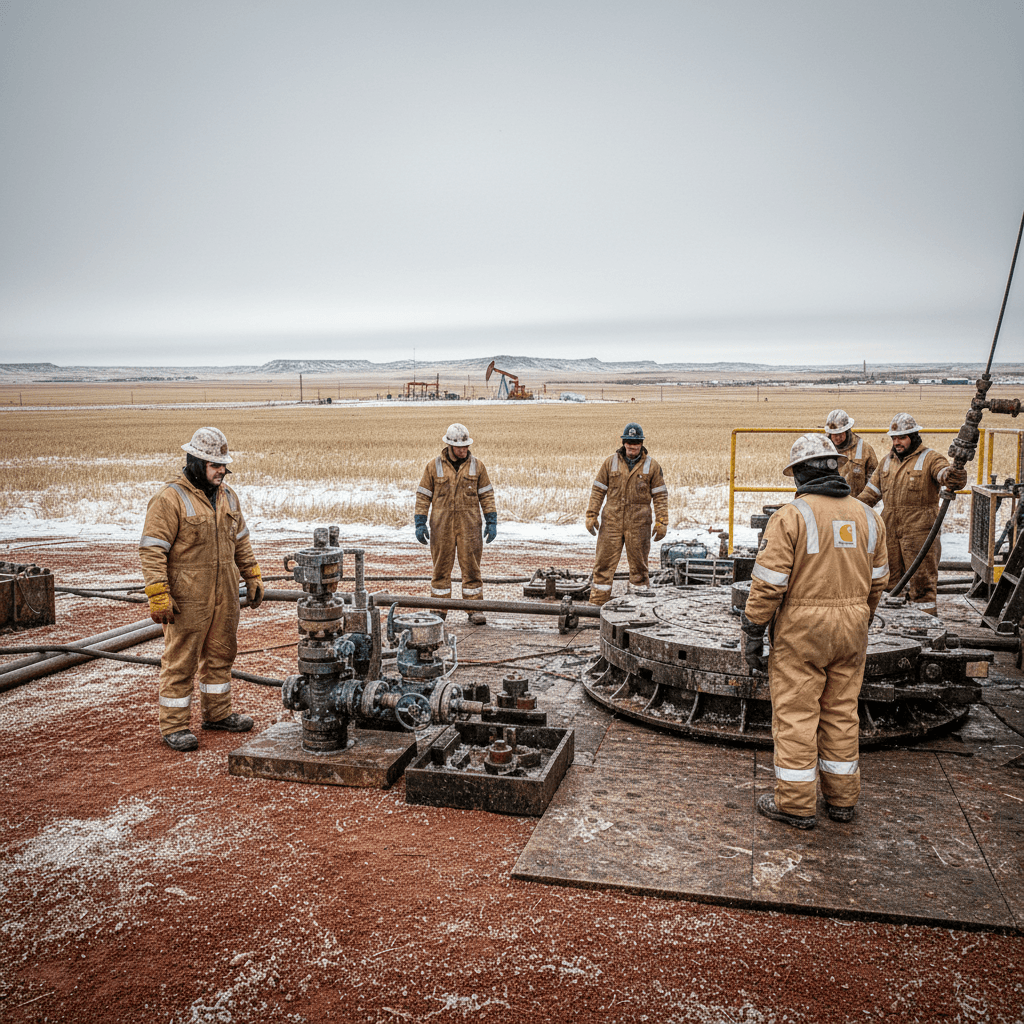
The active rig count in North Dakota held steady at 29 for the week ending June 2, 2026, according to Bakken Wire live data. This figure, a key indicator of drilling activity and near-term employment, has remained relatively stable in recent months, suggesting the region's oilfield workforce has reached a new equilibrium following the post-pandemic boom and subsequent adjustments.
The current activity level is supported by strong crude oil prices. West Texas Intermediate (WTI) crude traded at $93.45 per barrel on Tuesday, up $1.29 from the previous session. The international Brent benchmark was at $95.81. The Bakken crude differential—the discount at which local crude trades against WTI—was -$3.42 per barrel. These price levels provide sufficient economics for operators to maintain, but not aggressively expand, drilling programs in the play.
Historically, the rig count in the Bakken formation has been a direct driver of employment, housing demand, and economic activity in western North Dakota communities like Williston, Dickinson, and Minot. A high rig count translates to increased demand for drilling crews, completion teams, and oilfield service personnel, which in turn pressures local housing markets and boosts retail and service sector business. Conversely, a significant drop in rigs can lead to workforce reductions and a softening of the local economy.
The current plateau of 29 active rigs indicates a period of consolidation. At this level, major workforce expansions or contractions are unlikely, providing a degree of stability for local businesses and municipalities that plan around the oil industry's cycles. Housing markets, which experienced extreme volatility during the boom years of the early 2010s and again during the price crash of 2020, are likely seeing more predictable demand patterns.
The sustained higher oil price environment, with WTI above $90, helps ensure that existing rigs remain active and that production from the basin's prolific shale wells continues to generate royalty payments for landowners and tax revenue for the state. However, without a significant increase in the rig count, the multiplier effect on the broader community economy remains limited to the scope of current operations and maintenance.
Source
Bakken Wire Live Data as of June 2, 2026