Bakken Rig Count Holds at 29 as Oil Prices Retreat Sharply
Steady but reduced drilling activity provides relative stability for workforce and local economies amid a significant crude price sell-off.
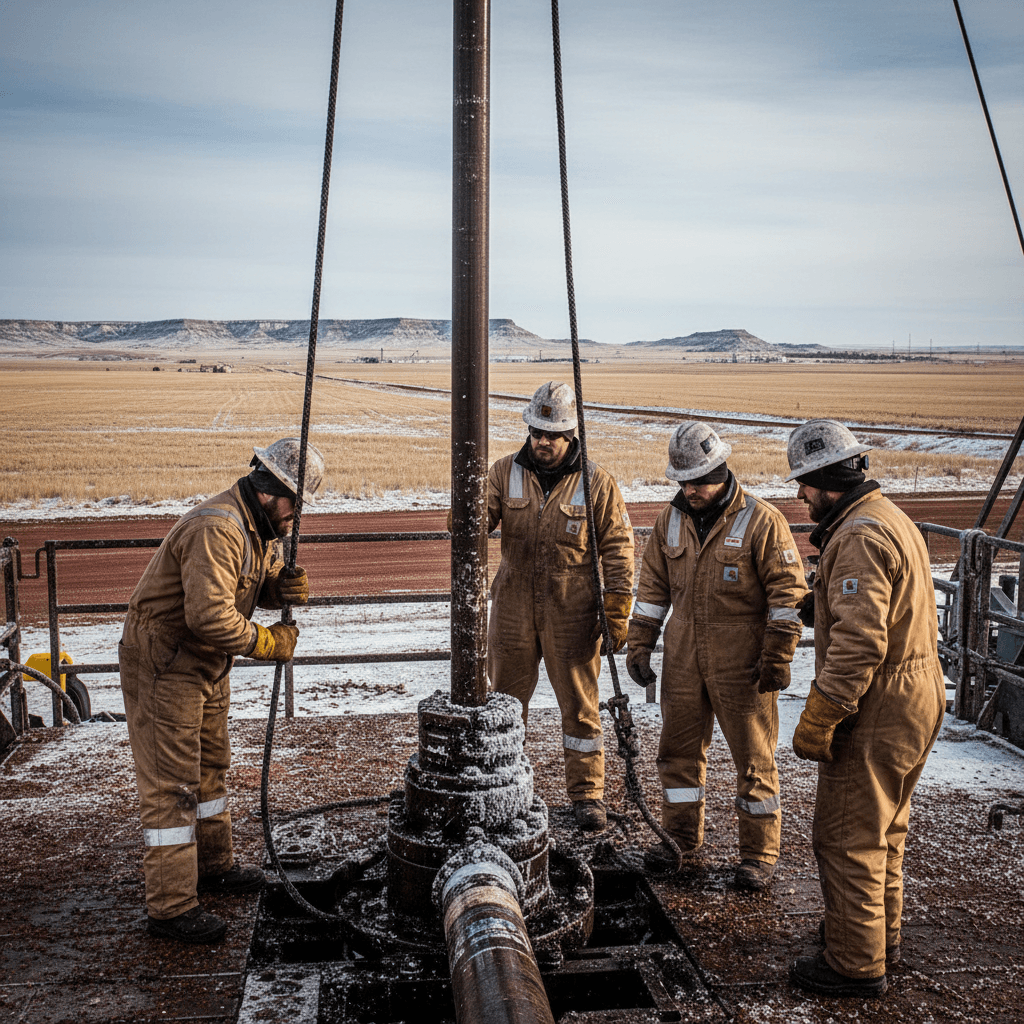
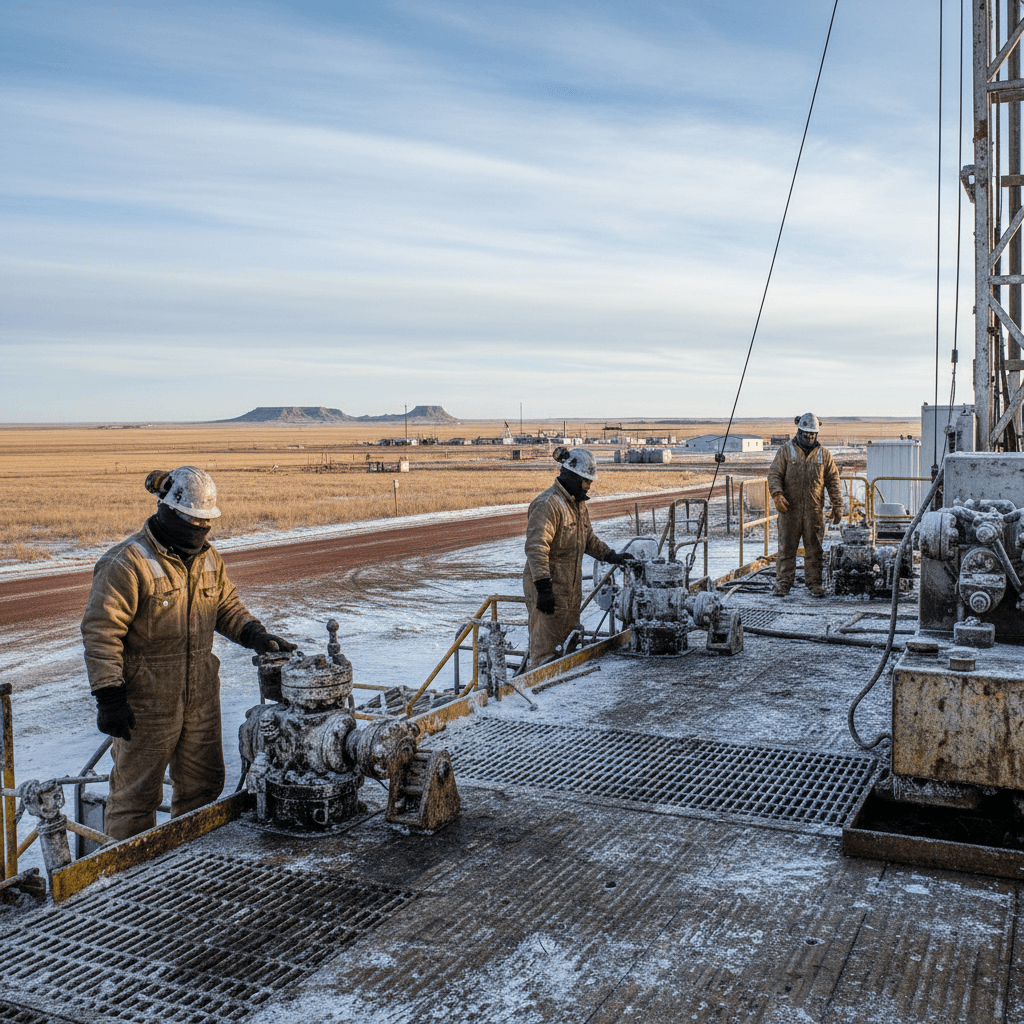
The number of active drilling rigs in North Dakota's Bakken formation held steady at 29 on Wednesday, providing a stable, though historically low, benchmark for regional oilfield employment and service company activity. The flat rig count contrasts with a sharp sell-off in crude oil prices, with West Texas Intermediate (WTI) crude falling $3.32 to settle at $69.89 per barrel, a drop of 4.53%, according to live Bakken data.
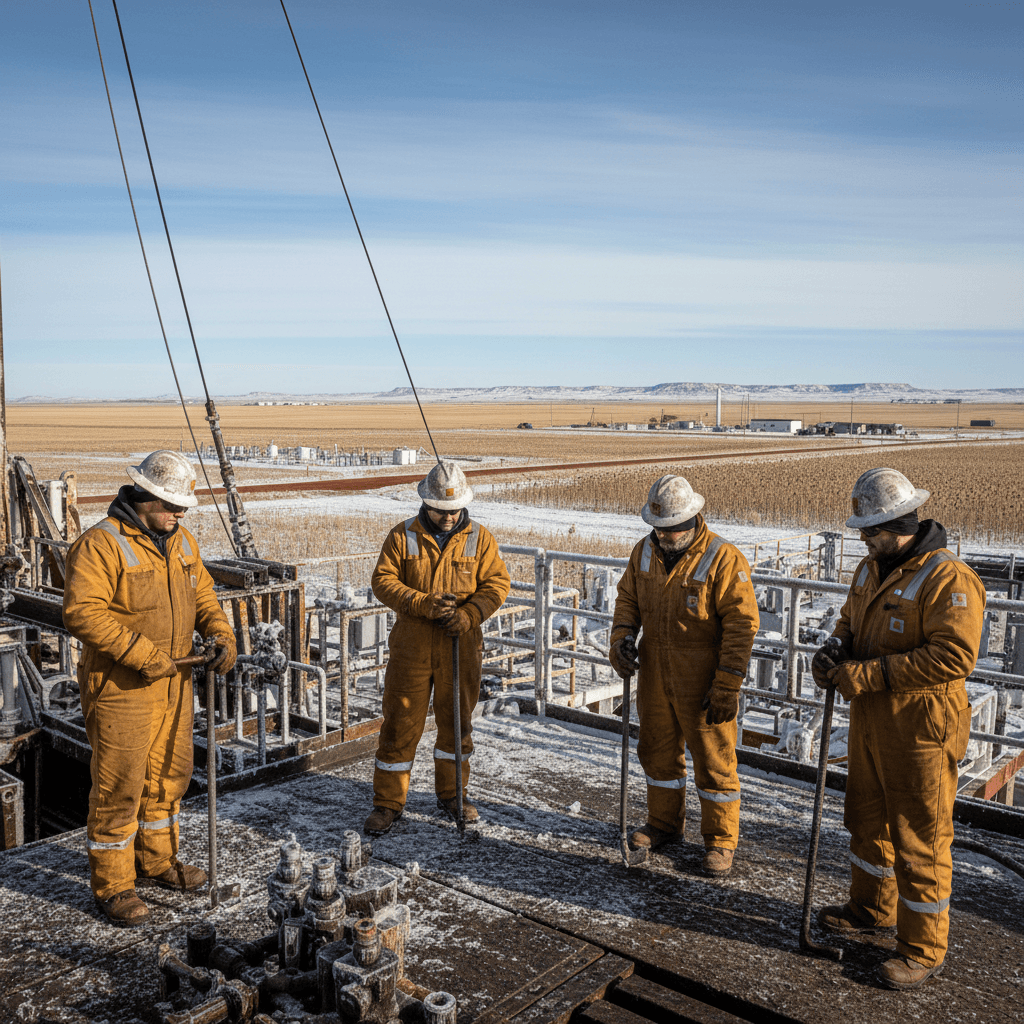
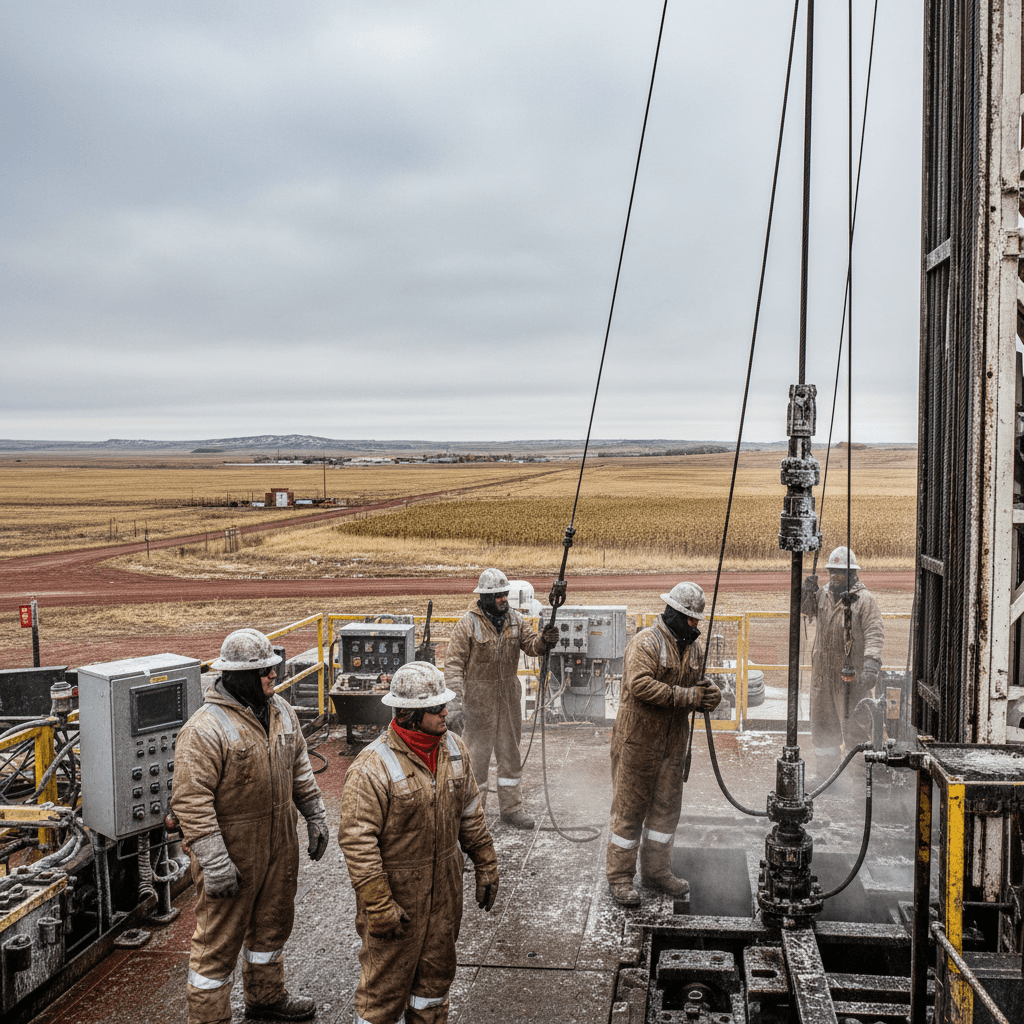
The current rig count represents a fraction of the boom-era activity seen in the Bakken but indicates a sustained base level of operations. This level of drilling is a key driver for direct oilfield employment, including positions for roughnecks, engineers, and company personnel, as well as indirect jobs in transportation, housing, and retail.
Historically, the health of communities across western North Dakota is closely tied to the pace of oil and gas development. When rig counts are high and oil prices are strong, local economies experience increased demand for housing, heightened retail sales, and expanded tax revenues. Conversely, periods of low activity can lead to workforce reductions, softer housing markets, and budgetary pressures for municipalities.
The current price environment, with WTI below $70 and the Bakken crude differential at a discount of $3.42 per barrel, places pressure on operator budgets and could influence future drilling plans. Natural gas prices, reported at $3.26 per million British thermal units (MMBtu), provide a secondary revenue stream for producers but are not a primary driver of Bakken activity.
The stability in the rig count suggests that major operators have maintained their core development programs despite the price volatility. This provides a degree of predictability for the regional workforce and service sector, which has adapted to a "lower for longer" operational tempo compared to previous decades. The focus for many companies has shifted to maximizing efficiency and drilling the highest-return wells within their core acreage.
For community leaders in Williston, Dickinson, and other oil patch hubs, a steady rig count helps with long-term planning for infrastructure, schools, and public services, even as they manage the legacy of rapid growth followed by contraction. The significant single-day drop in oil prices, however, serves as a reminder of the underlying commodity price risk that continues to define the region's economic outlook.
Source
Live Bakken Data for June 24, 2026