Bakken Rig Count Holds at 29 as Oil Prices Rise
Stable activity level suggests continued workforce and economic equilibrium for North Dakota's oil communities.
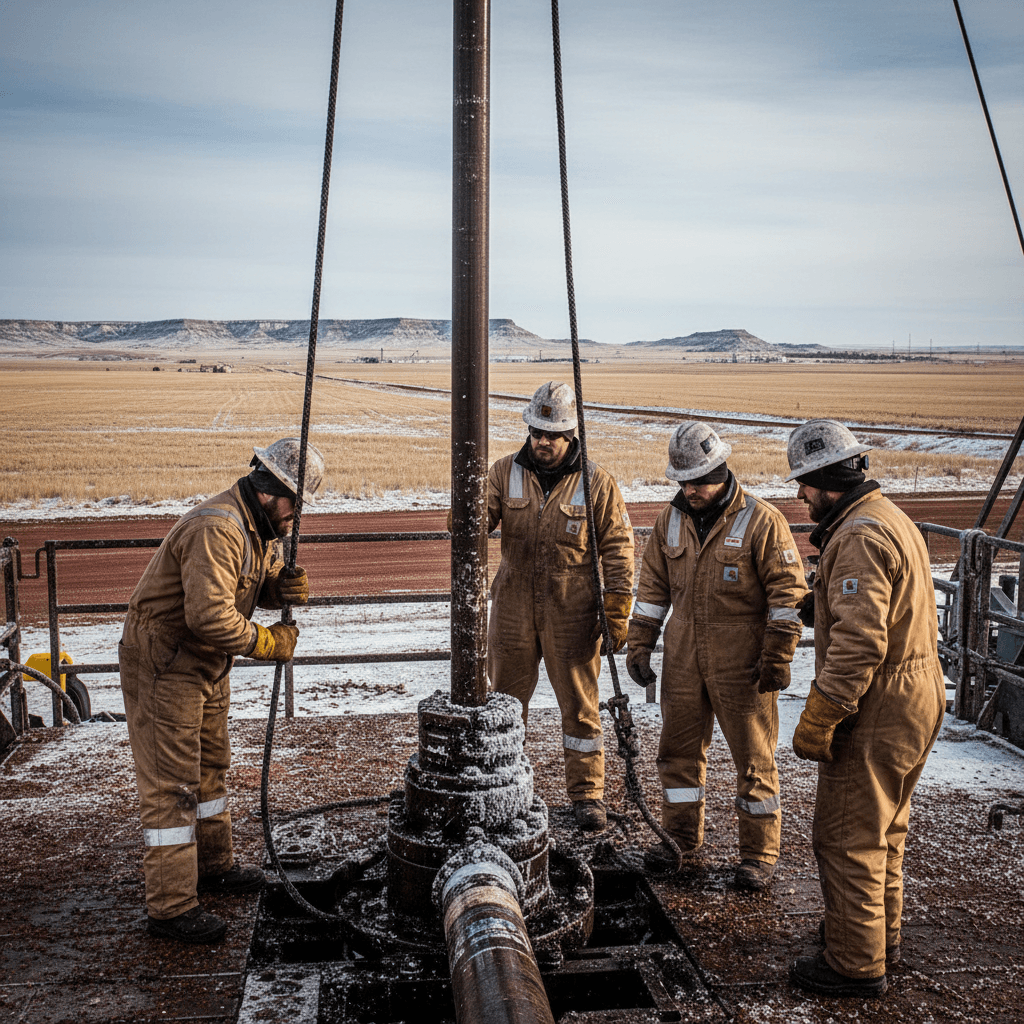
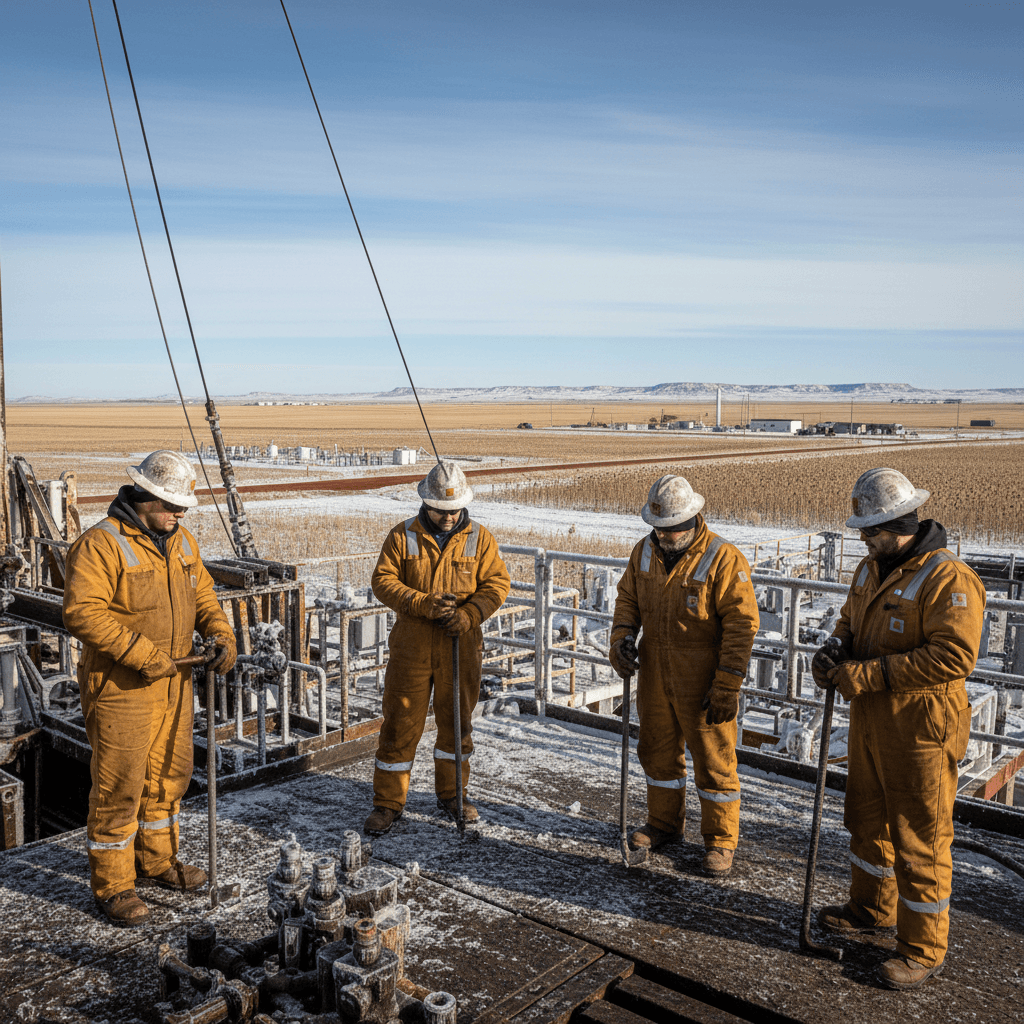
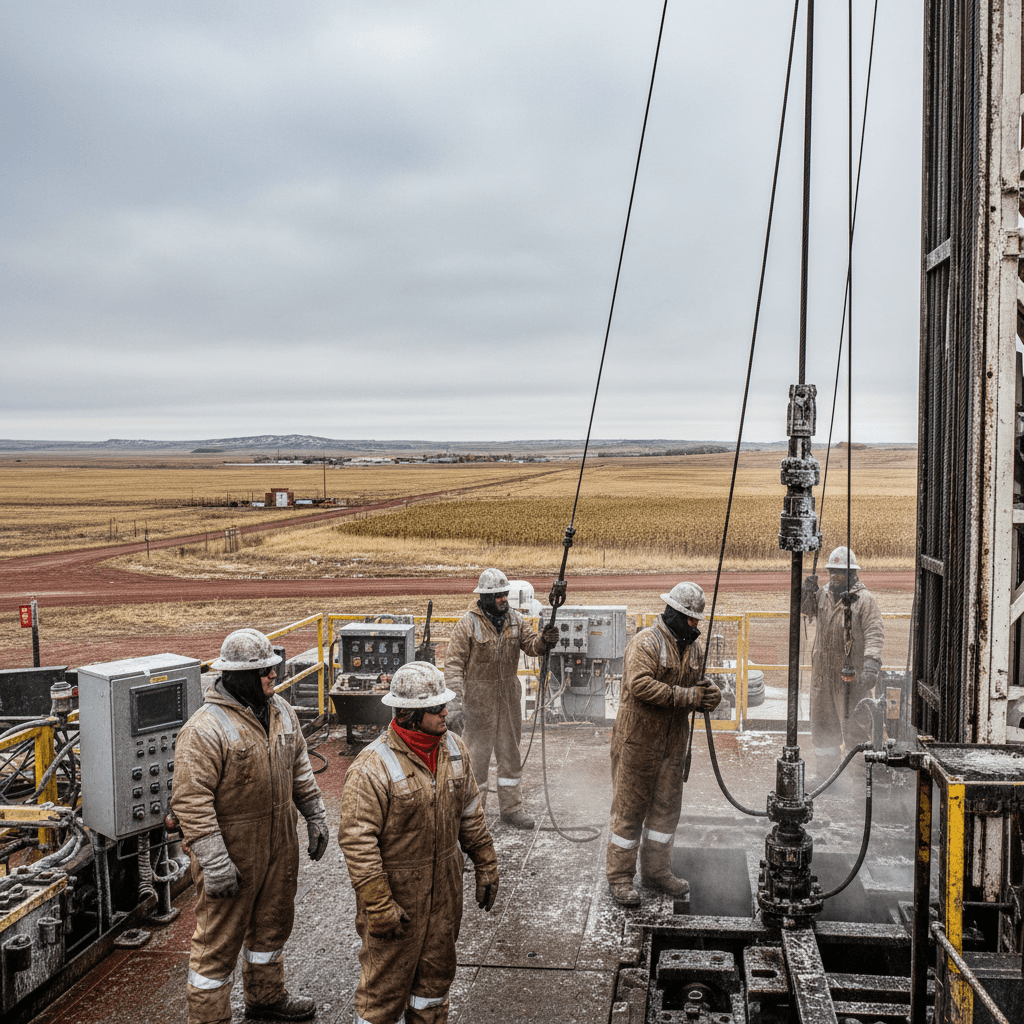
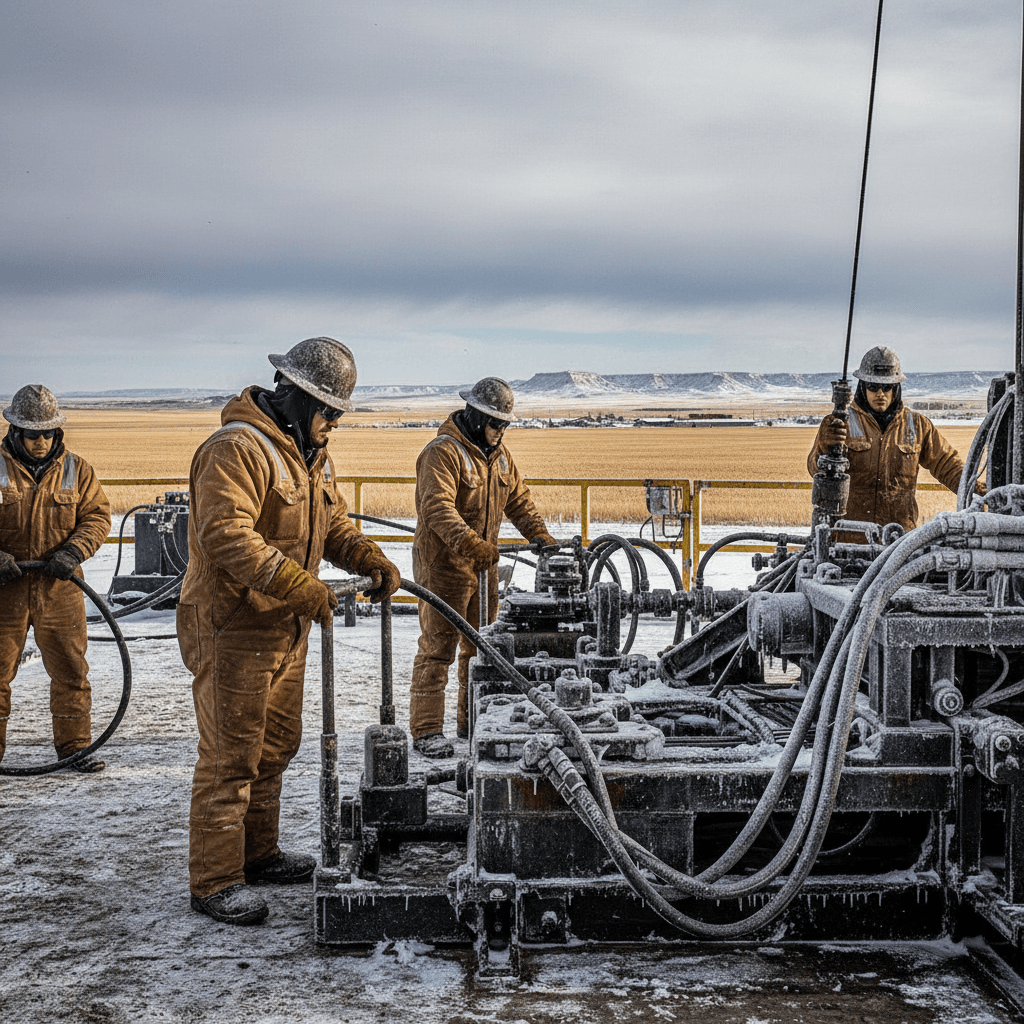
North Dakota's Bakken oil play is operating with 29 active drilling rigs as of Thursday, a level that has provided relative stability for the region's workforce and local economies. The count, reported on June 25, 2026, reflects a moderated pace of operations compared to previous boom periods.
The current activity is supported by rising benchmark oil prices. West Texas Intermediate (WTI) crude traded at $71.54 per barrel, a gain of $1.20 or 1.71% on the day. Brent crude also rose to $75.01. The Bakken crude differential, the discount at which local oil trades versus WTI, was reported at -$3.42 per barrel.
For Bakken communities, the rig count is a primary indicator of direct oilfield employment and related service sector demand. A count in the high 20s typically supports a substantial but not overheated job market, reducing the extreme hiring pressures and rapid population influx seen during periods with 50 or more active rigs.
This stability allows housing markets in cities like Williston, Dickinson, and Watford City to adjust. During high-activity booms, severe housing shortages and skyrocketing rents were common. The current, more consistent activity level helps municipalities and developers plan infrastructure and housing projects without the volatility of a rapid boom-bust cycle.
Local government budgets, heavily reliant on oil and gas production tax revenues, also benefit from predictability. While not at peak revenue generation, steady production from drilled but uncompleted wells (DUCs) and ongoing development at this rig level provides a reliable tax base for schools, roads, and public services in western North Dakota.
The natural gas price, reported at $3.29 per million British thermal units (MMBtu), remains a factor for operators focusing on gas capture and flaring reduction. Compliance with state capture targets influences operational planning and can affect midstream sector employment.
General industry context underscores that the Bakken formation remains North Dakota's primary economic engine. The relationship between rig activity, oil prices, and community impact is direct: sustained higher prices and rig counts drive job growth and economic expansion, while lower activity leads to consolidation and outmigration. The current data suggests a period of equilibrium.
Source
Bakken Wire Live Data as of June 25, 2026