Bakken Rig Count Holds at 29 as Oil Prices Rise Above $93
Stable drilling activity suggests a balanced workforce and community environment in western North Dakota, despite higher crude prices.
The number of active drilling rigs in North Dakota's Bakken formation held steady at 29 on Tuesday, as benchmark oil prices continued a recent upward climb. West Texas Intermediate crude traded at $93.44 per barrel, a gain of $1.28, according to live market data.
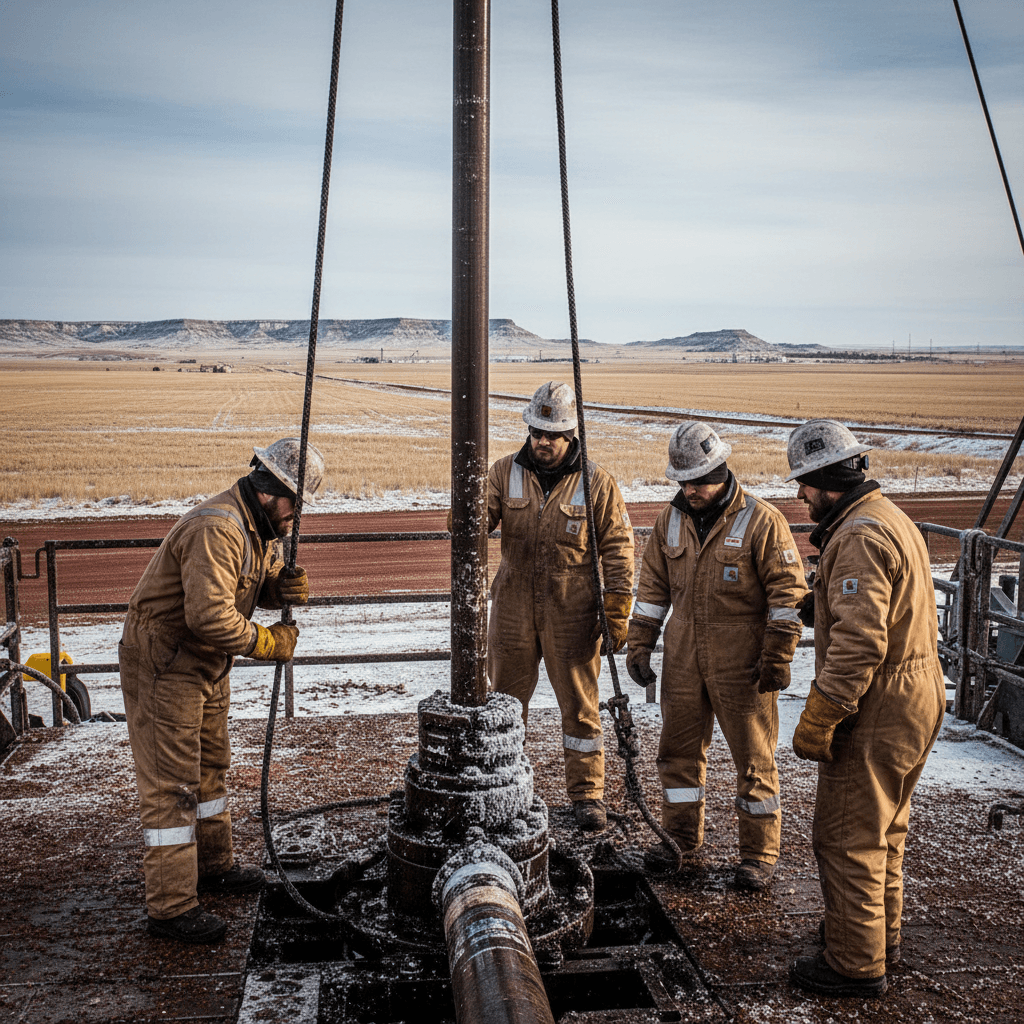
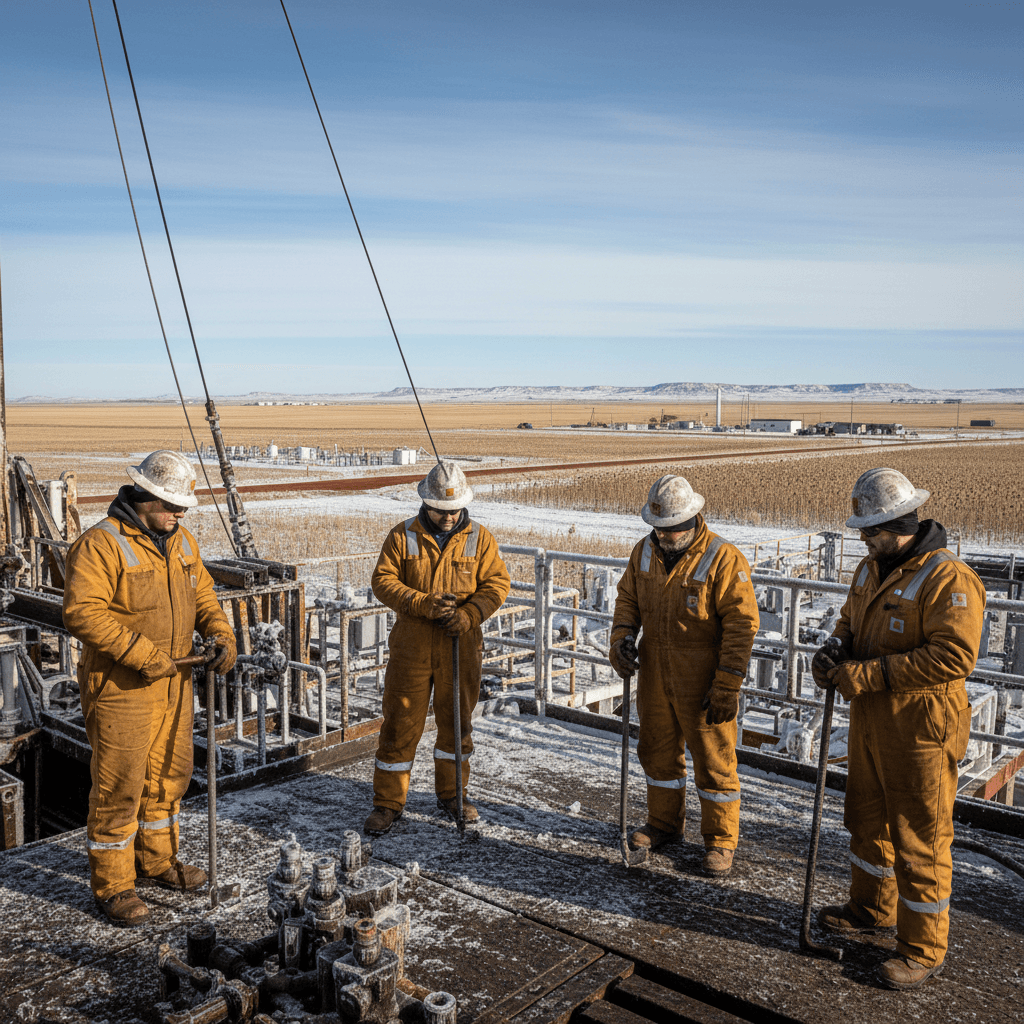
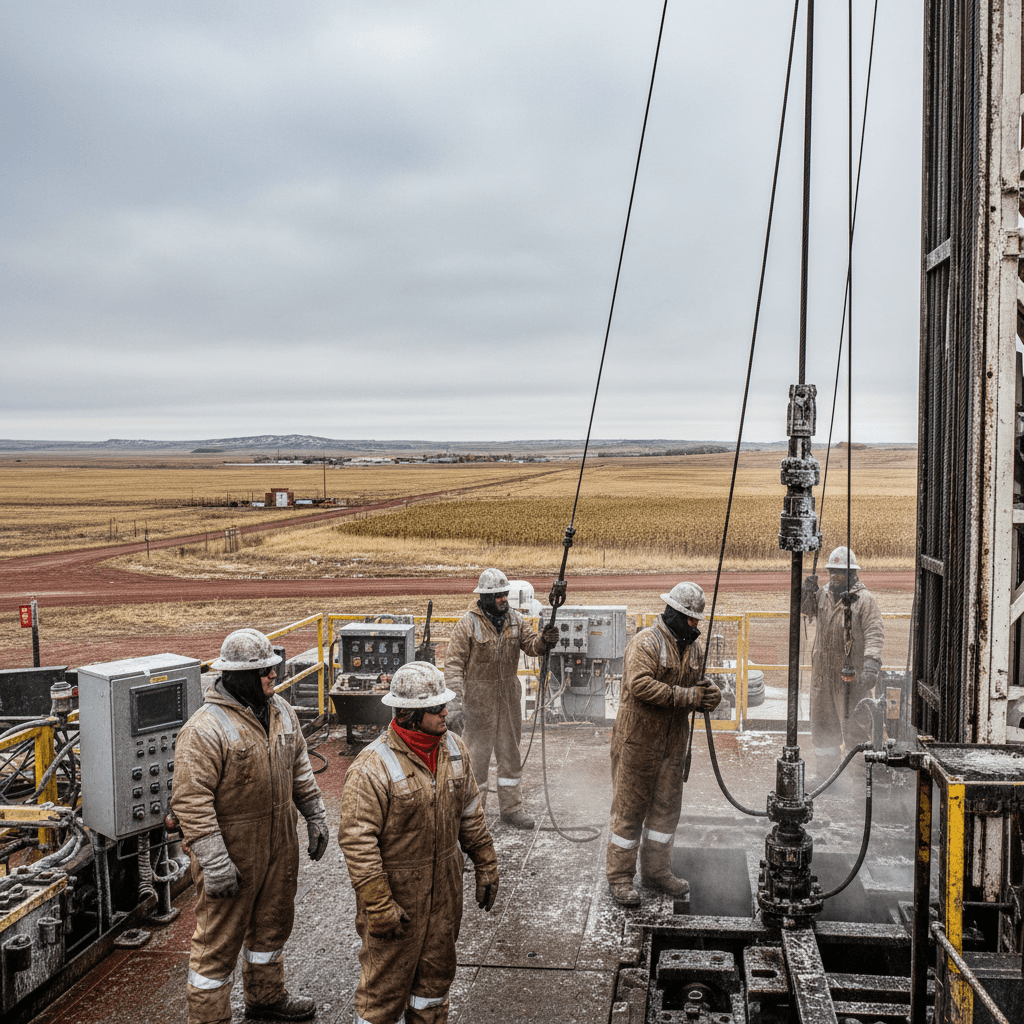
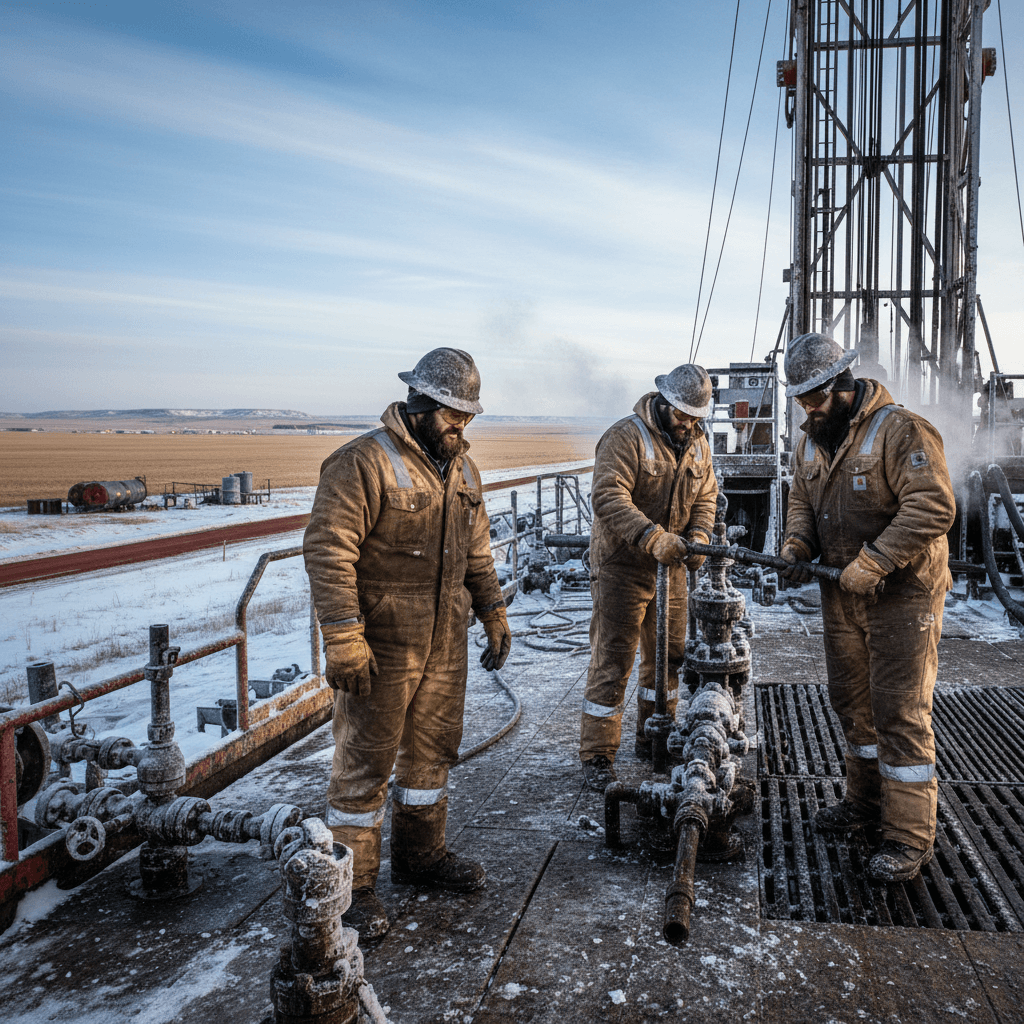
The current rig count, a key indicator of oilfield employment and service company demand, has remained in a narrow range for several months. This level of activity represents a fraction of the peak seen during the previous boom cycles but signifies a stabilized, mature phase of development for the basin. Analysts often view a stable rig count as supportive of consistent local employment and predictable demand for housing and services.
"Historically, the rig count is the primary driver for workforce size in the oilfields," said a regional economist familiar with the Bakken. "When rigs are added or dropped rapidly, it creates volatility in hiring, housing markets, and municipal revenues. A steady number suggests the current workforce is largely aligned with the level of drilling activity."
The price of Bakken crude at the wellhead is approximately $90.02 per barrel, calculated using the live WTI price and the Bakken differential of -$3.42. Sustained prices above $90 provide operators with cash flow to maintain drilling and completion programs, which supports jobs for roughnecks, truck drivers, engineers, and a wide network of service and supply companies.
For communities in the Williston Basin, the current environment likely translates to manageable pressure on housing and infrastructure. The frenetic demand for apartments and man-camps that characterized the boom years has subsided, allowing local housing markets to normalize. Municipal budgets in oil-producing counties benefit from steady production and tax revenues without the extreme swings that complicate long-term planning.
The natural gas price, quoted at $3.17 per MMBtu, remains a secondary factor for most Bakken producers, who primarily target crude oil. However, it influences the economics of gas capture and processing projects, which also provide local jobs.
Overall, the combination of a firm rig count and strong oil prices paints a picture of sustained, moderate economic activity for the Bakken region. The focus for many operators continues to be on efficiency and maximizing output from existing wells, which requires a skilled but not necessarily expanding workforce.
Source
Live Bakken Data for June 2, 2026