Bakken Rig Count Holds at 29 as Oil Prices Support Steady Activity
Midday trading shows WTI above $83, providing a stable economic backdrop for workforce and communities in the Williston Basin.
The number of active drilling rigs in North Dakota held steady at 29 on Tuesday, according to Bakken Wire's midday data. This level of activity, supported by West Texas Intermediate crude trading at $83.06 per barrel, suggests a period of operational stability for the Bakken formation's workforce and regional economies.
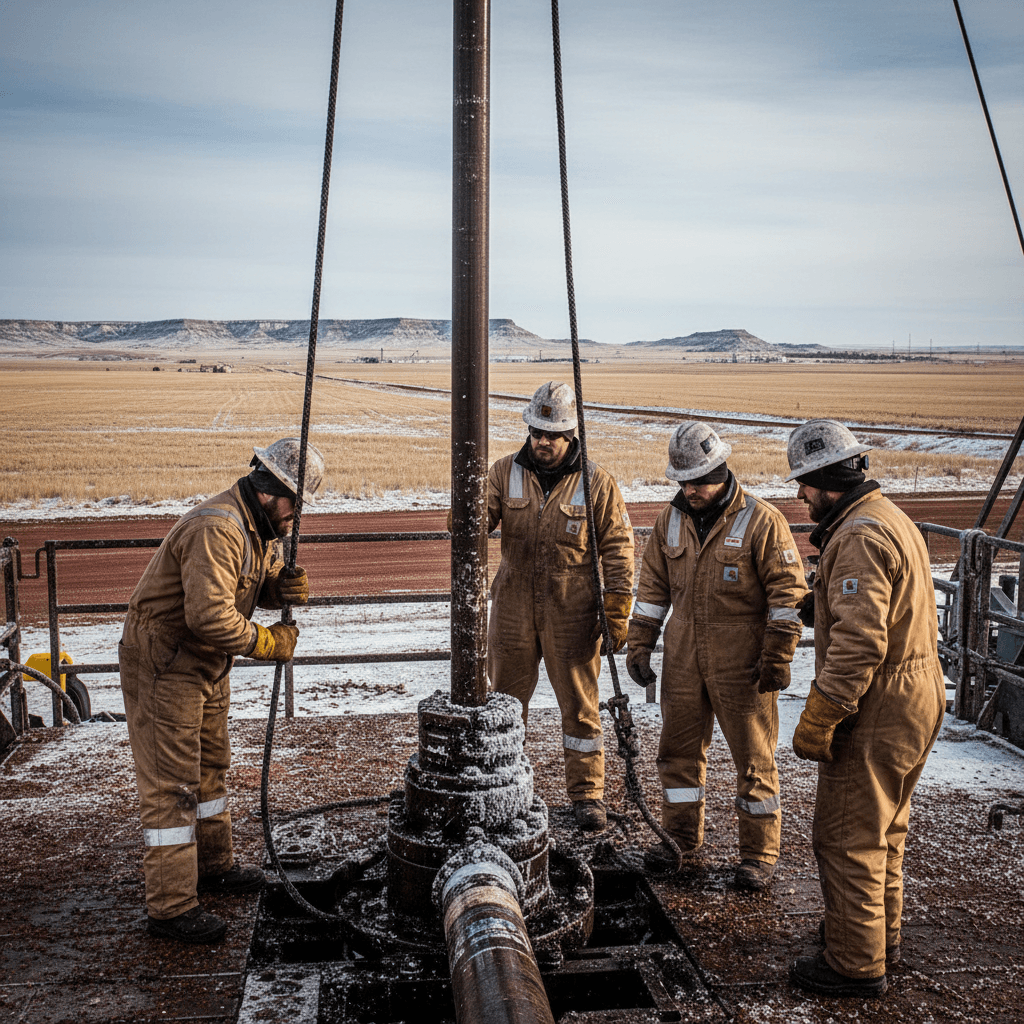
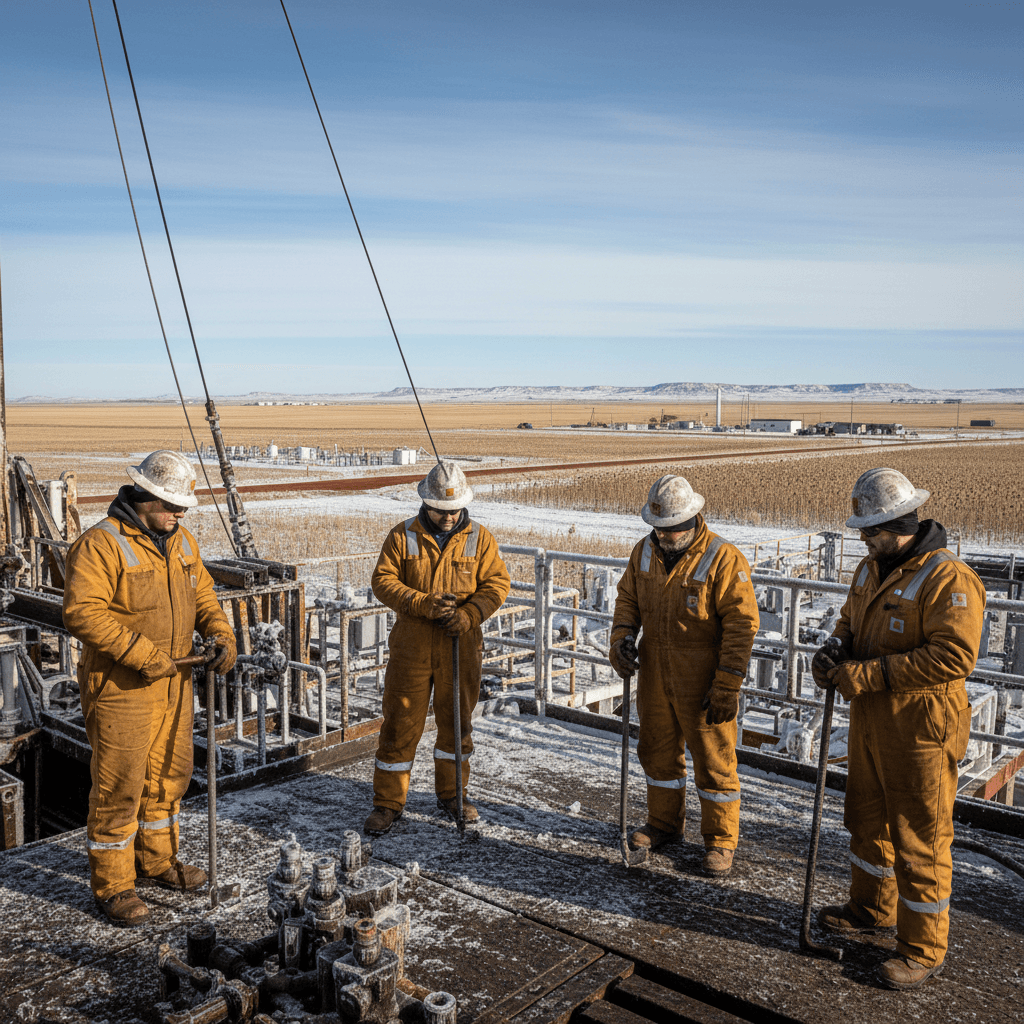
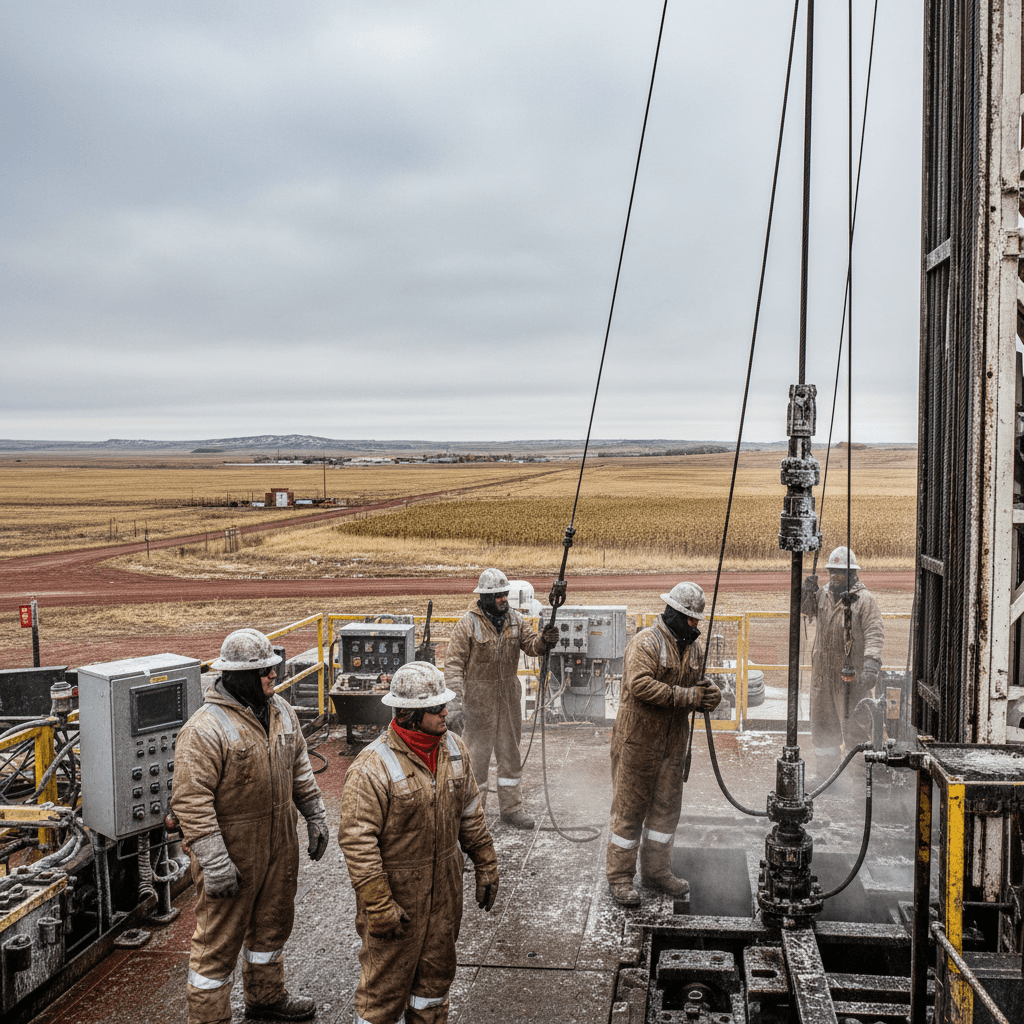
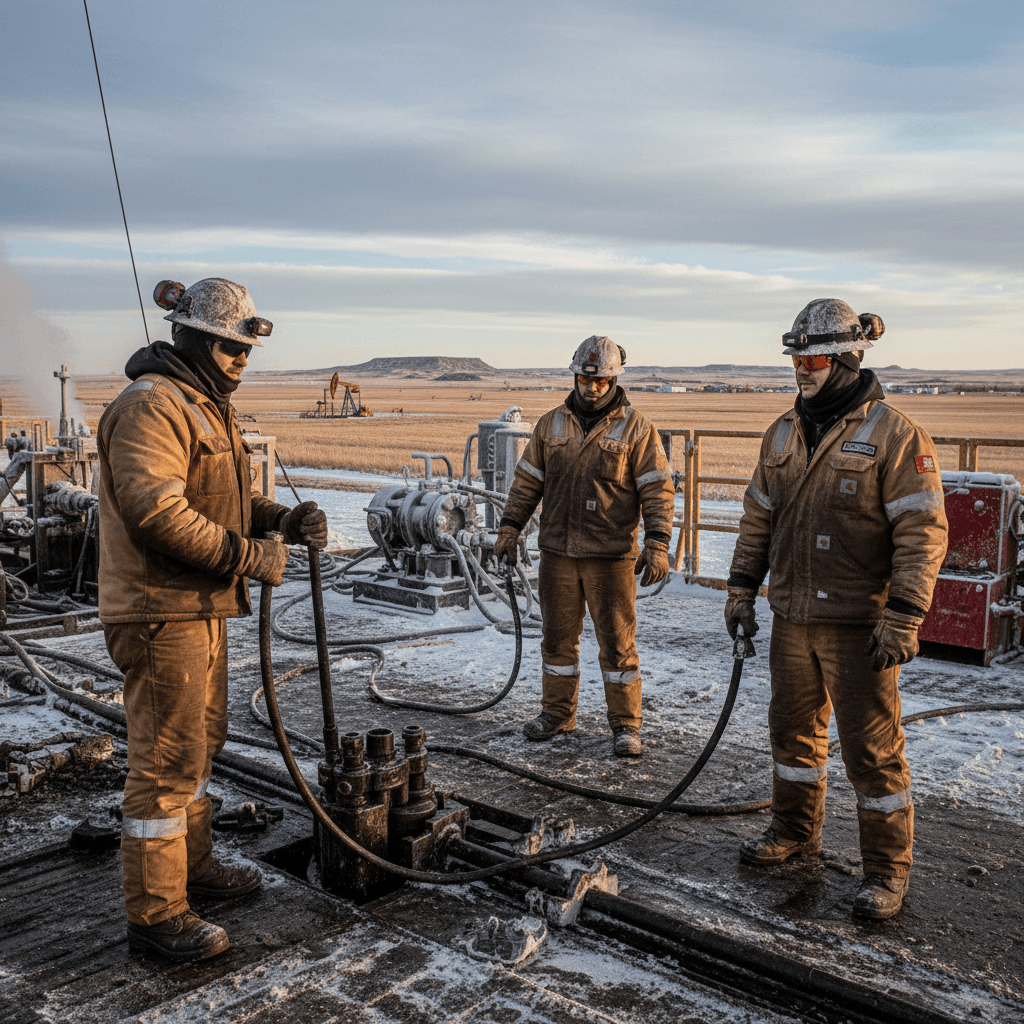
The current rig count, while significantly lower than historic boom-era peaks, represents a consolidated and efficient operational footprint. Industry analysts generally correlate rig count directly with direct oilfield employment, including drilling crews, rig hands, and related service company jobs. A stable count indicates a sustained, though modest, demand for skilled labor in the region.
The midday price for Bakken crude, calculated at a $3.42 discount to WTI, equates to approximately $79.64 per barrel at the wellhead. This price level is widely considered sufficient to maintain production and complete drilled but uncompleted wells (DUCs) from many operators, supporting existing jobs even without a significant increase in new drilling.
For communities across western North Dakota, sustained activity at this level has predictable impacts. Housing markets, which experienced extreme volatility during previous boom and bust cycles, are likely experiencing relative stability. Municipal budgets in oil-producing counties continue to receive revenue from extraction and production taxes, which are directly tied to the price and volume of oil produced.
The natural gas price, recorded at $2.75 per MMBtu, remains a secondary economic factor for the primarily oil-driven Bakken play. Meanwhile, the global benchmark Brent crude traded at $88.59, maintaining a wide enough spread to WTI to support continued export demand for U.S. crude.
The overall picture is one of equilibrium. The current oil price environment appears to be supporting a consistent, but not expanding, level of field activity. This translates to steady employment for the core oilfield workforce and predictable economic conditions for local businesses and services that support the industry and its employees. The lack of rapid rig count growth suggests communities are not facing the acute strains of rapid population influx, while the lack of a sharp decline avoids the sudden job losses and economic contraction seen in past downturns.
Source
Bakken Wire Live Data as of midday, Tuesday, August 11, 2026