Bakken Rig Count Holds at 30 as Oil Prices Retreat from Highs
Steady activity level suggests stable regional workforce and economy despite a midday pullback in crude markets.
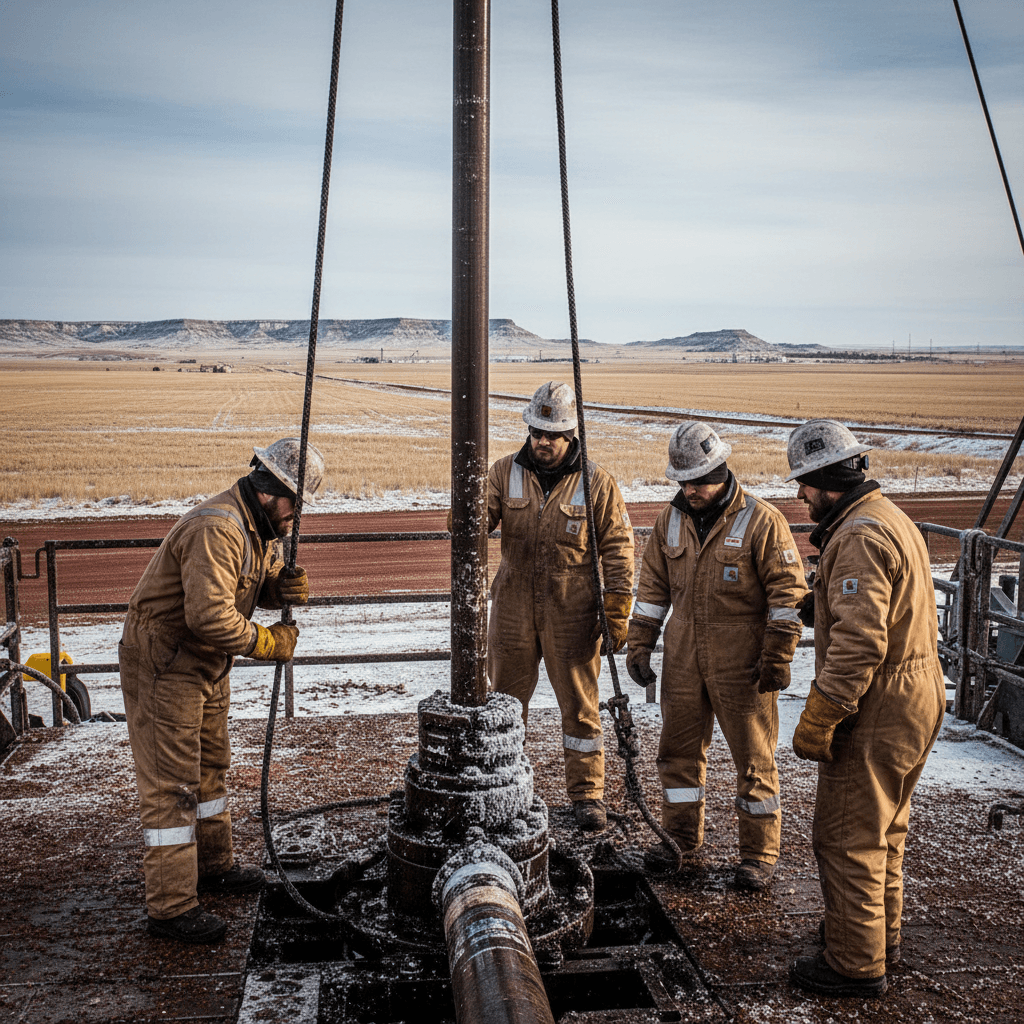
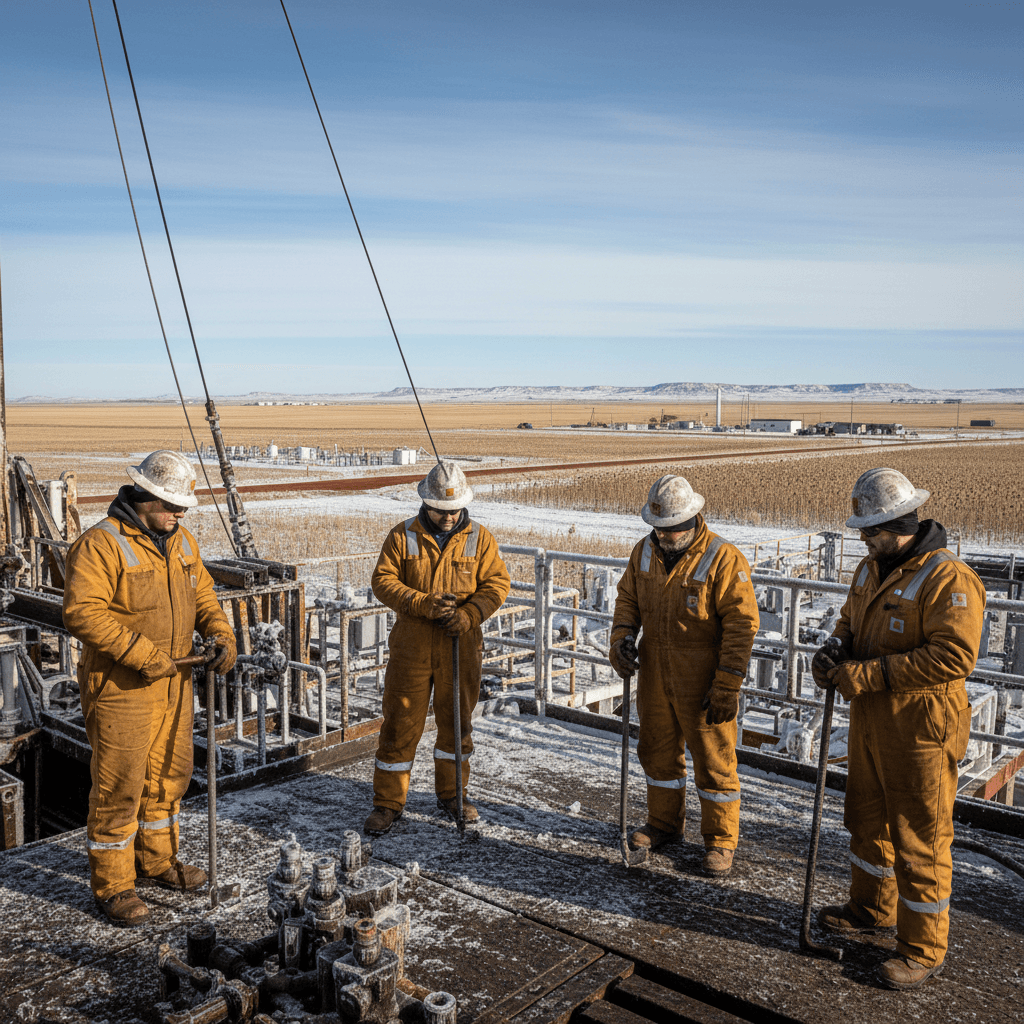
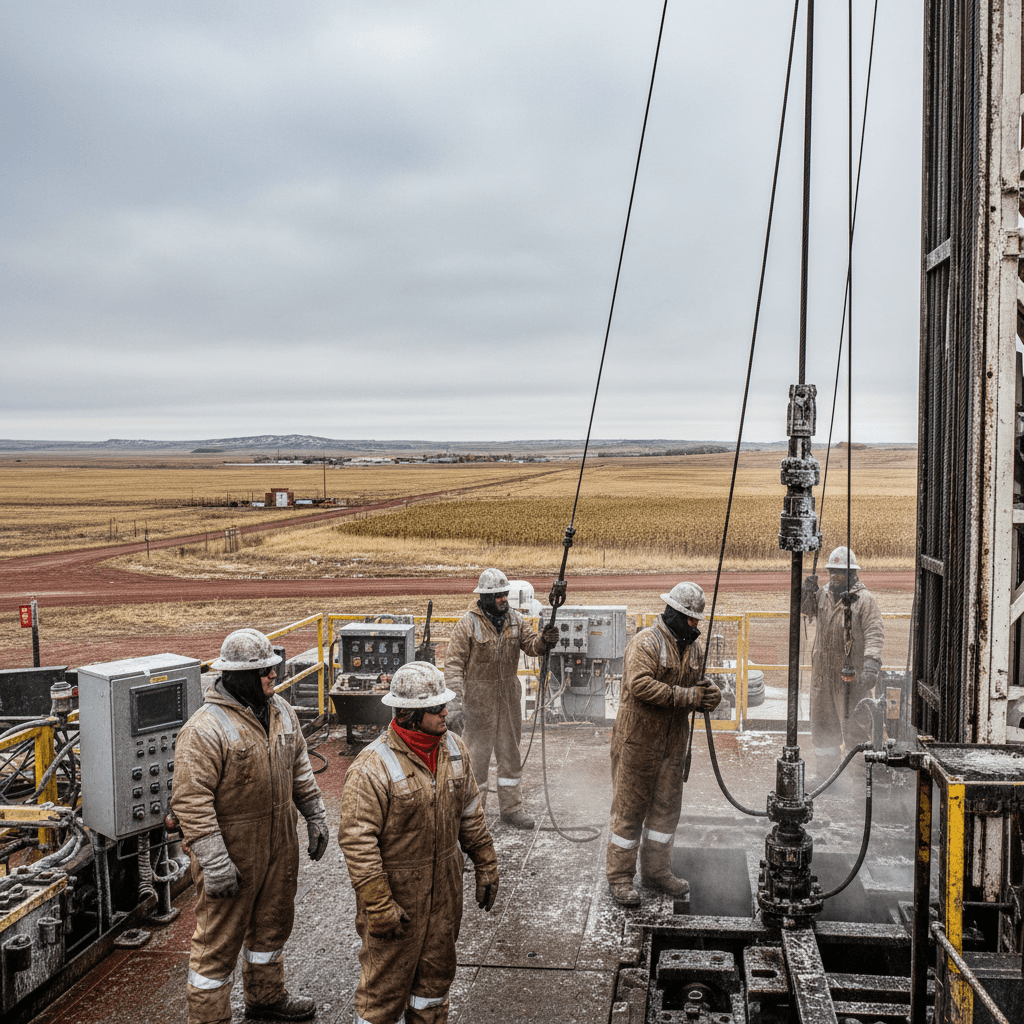
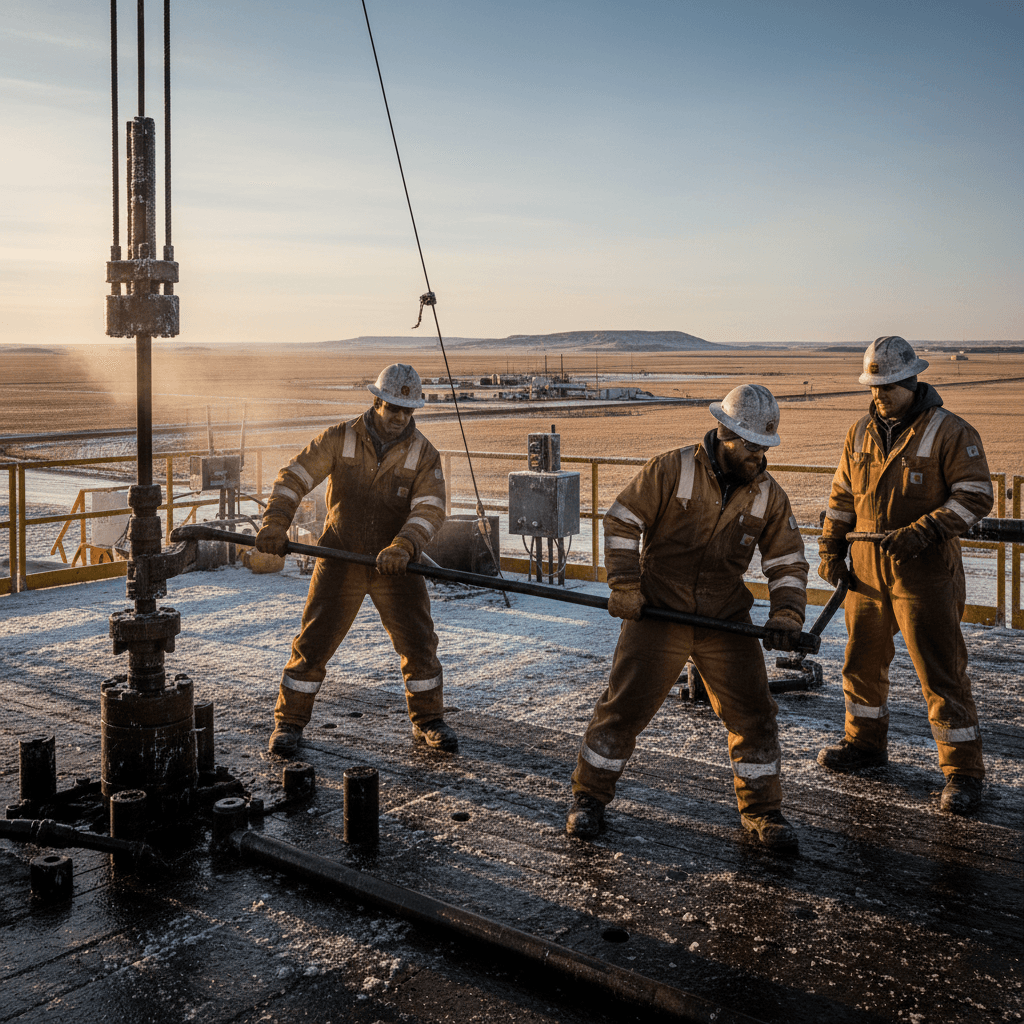
The number of active drilling rigs in North Dakota remained at 30 on Sunday, a key indicator of sustained operational activity in the Bakken formation. According to Bakken Wire's live data, this rig count provides a baseline for employment and service company demand across the Williston Basin.
The stability in the rig count comes alongside a midday retreat in oil prices. West Texas Intermediate (WTI) crude was trading at $87.36 per barrel, down $1.54 or 1.73% for the session. The international benchmark Brent crude fell to $91.12, a decline of 1.7%. The price for Bakken crude at the wellhead is typically discounted against WTI; the current differential is $-3.42 per barrel.
In the Bakken region, the rig count is closely tied to the health of local economies and workforce conditions. A steady count in the low 30s suggests a plateau in direct drilling employment and associated service sector jobs. This level of activity is sufficient to maintain a core workforce but is unlikely to spur the rapid population growth and housing shortages seen during previous boom cycles.
The current oil price environment, even with the day's decline, remains supportive of continued production and well completion work. Prices above $85 per barrel generally provide economic incentive for operators to maintain existing production schedules and conduct necessary well workovers, which supports field technician and logistics jobs.
For Bakken communities, a stable rig count translates into predictable demand for housing, retail, and local services. It avoids the extreme volatility that can strain municipal budgets and infrastructure. School enrollments and housing vacancy rates in counties like McKenzie, Williams, and Mountrail are likely reflecting this period of consolidation rather than rapid expansion or contraction.
The natural gas price, recorded at $3.29 per MMBtu, also influences local economics, particularly for operators and midstream companies focused on gas capture and processing projects, which provide additional construction and operational jobs.
Long-term, the trajectory of the workforce and community investment in western North Dakota remains leveraged to commodity prices. The midday price pullback highlights ongoing market sensitivity, but the sustained rig count indicates operators are currently maintaining their planned activity levels. This balance is critical for local businesses and governments that rely on the oil and gas sector for stability.
Source
Bakken Wire Live Data as of May 31, 2026