Bakken Rig Count Holds at 30 as Oil Prices Retreat Slightly
Steady activity level suggests stable workforce demand in western North Dakota communities despite a dip in crude benchmarks.
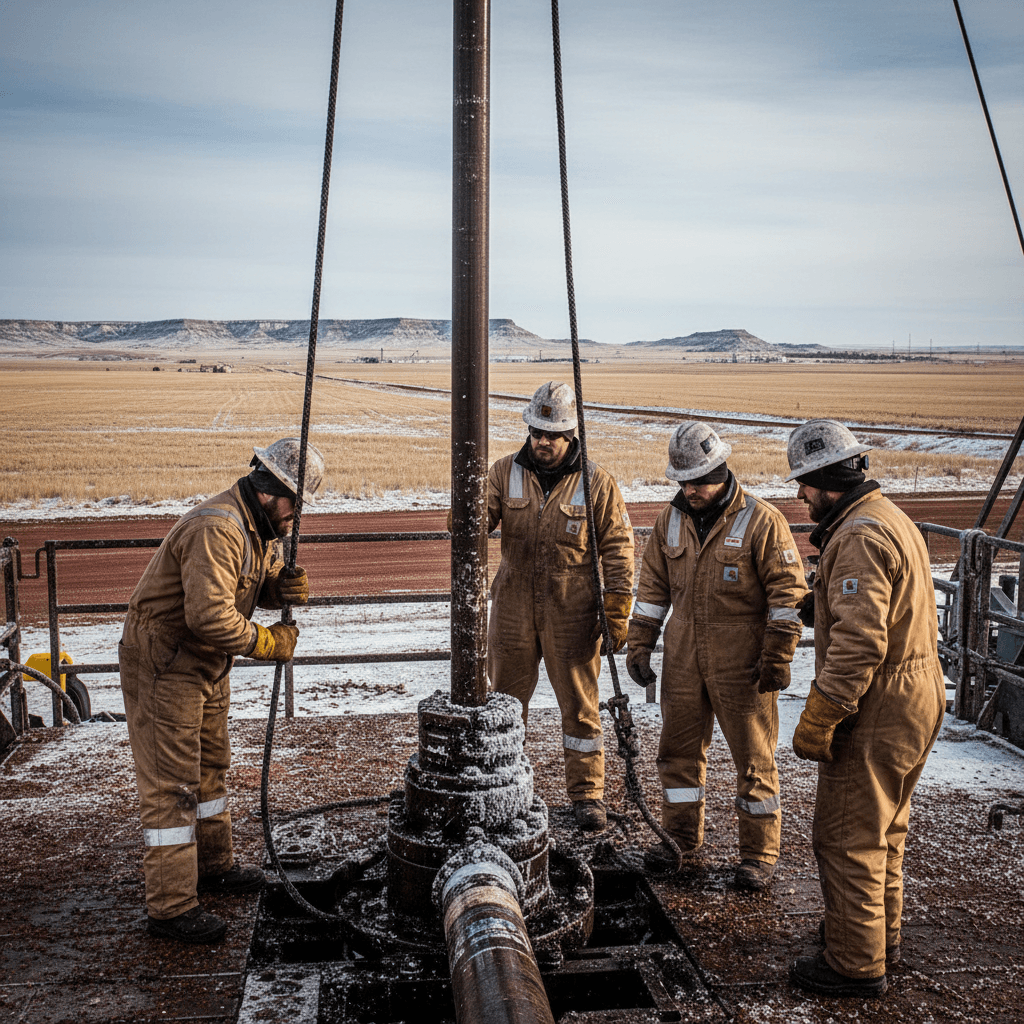
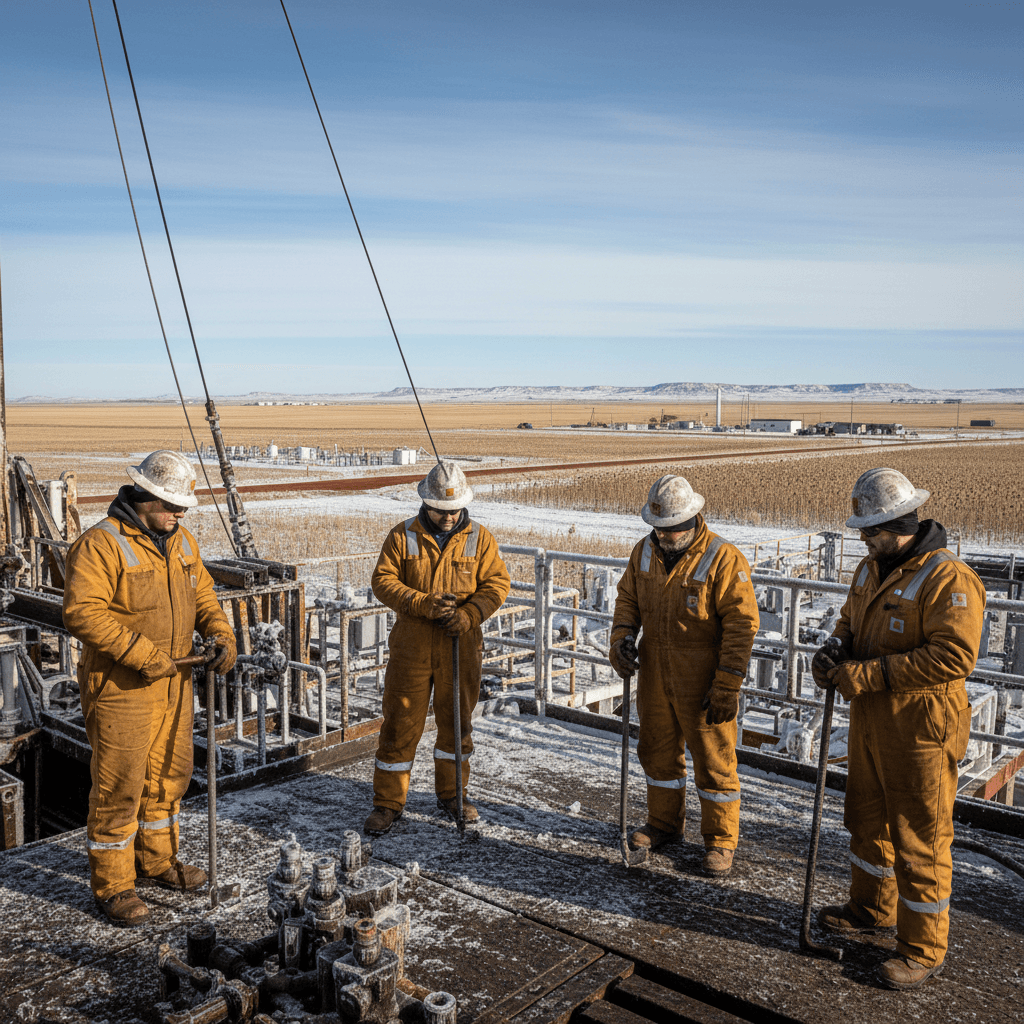
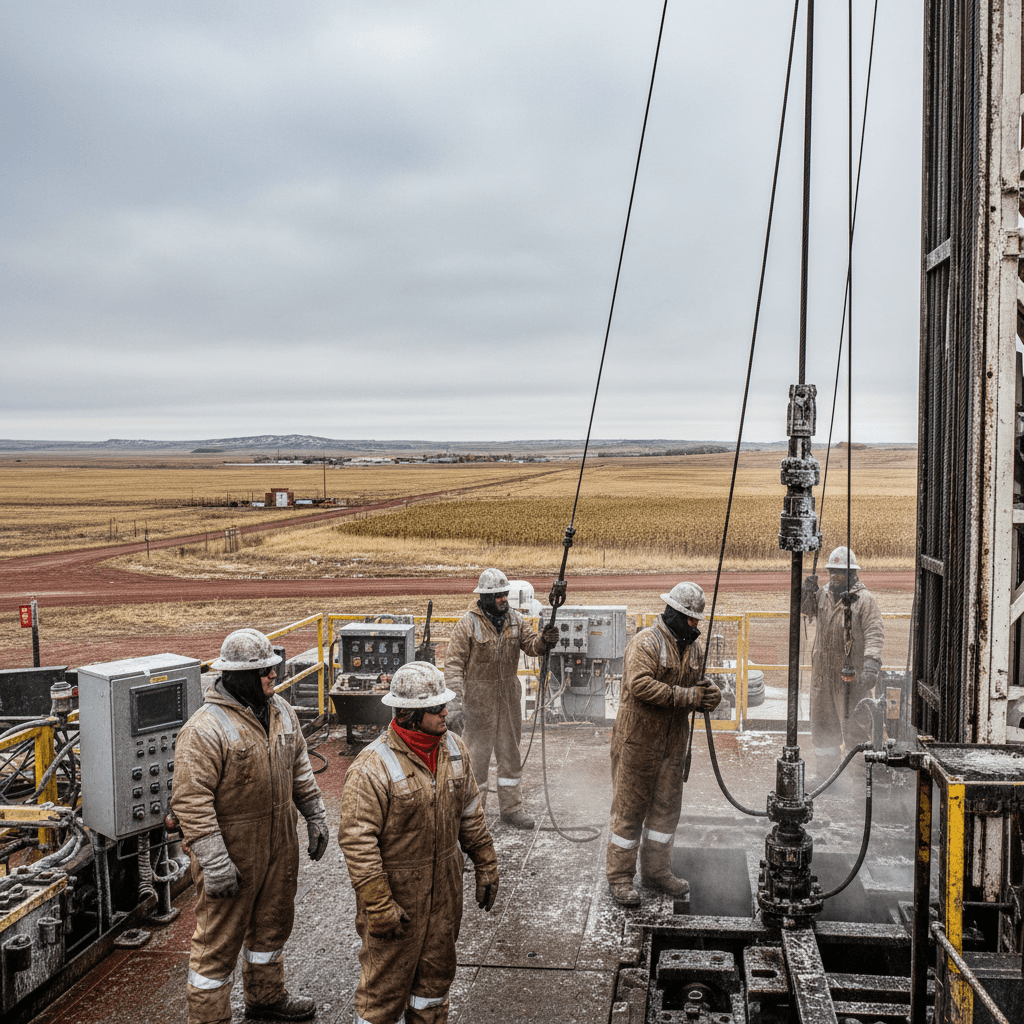
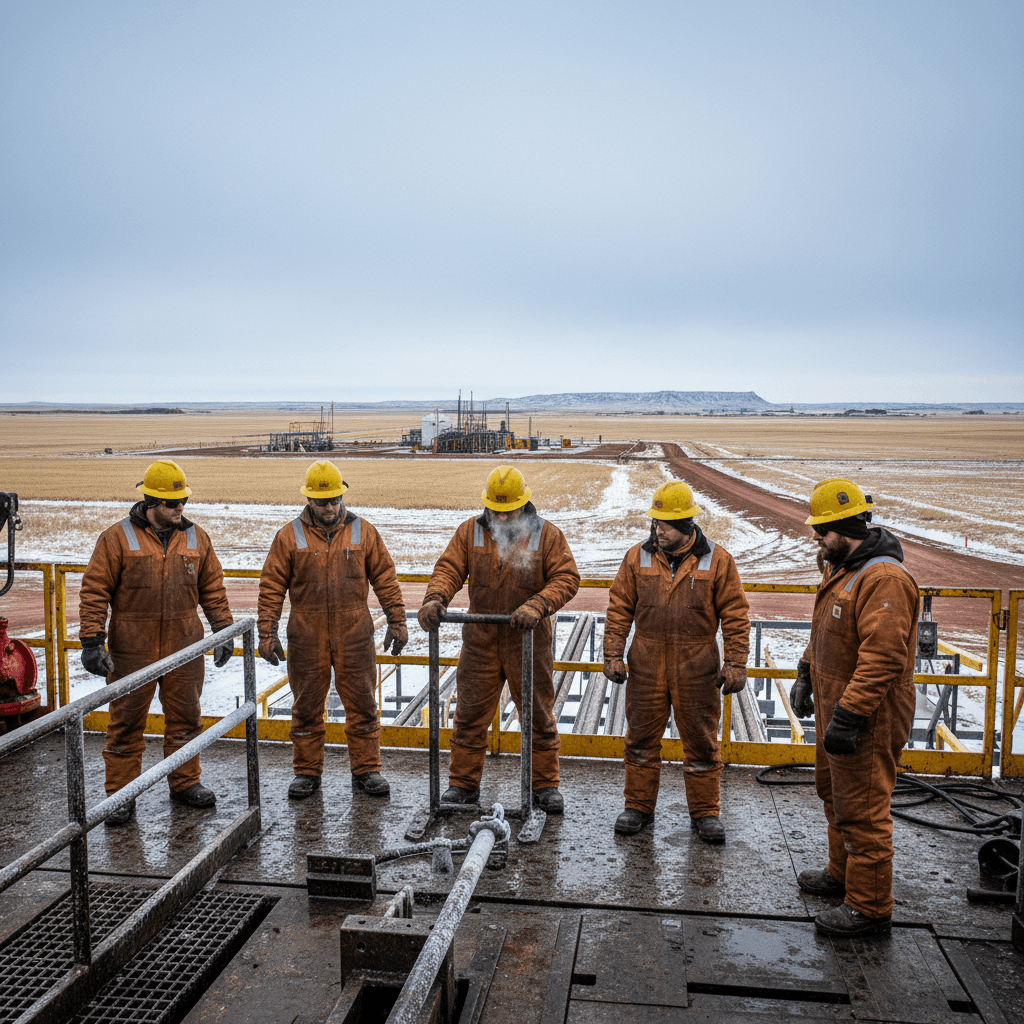
The number of active drilling rigs in North Dakota held steady at 30 this week, according to live Bakken Wire data. This count, a key indicator of oilfield employment and industrial activity, has remained in a narrow range through the summer, pointing to a period of consolidation for the region's workforce.
The current rig count is significantly below the boom-era peaks but represents a stabilized level of operation for the modern, more efficient Bakken. Each active rig supports hundreds of direct and indirect jobs, from roughnecks and engineers to truck drivers and hospitality workers. A steady count suggests consistent demand for this core workforce in the Williston Basin.
Meanwhile, crude oil prices saw a modest decline in midday trading. West Texas Intermediate (WTI) was at $82.64 per barrel, down 0.76%, while the international Brent benchmark traded at $88.40. The Bakken crude differential—the discount at which local crude trades versus WTI—was -$3.42. According to general industry analysis, sustained prices above $80 WTI are typically required to support significant drilling expansions in the play.
The relationship between rig count, oil prices, and community impact is direct. Periods of high activity and rig growth historically led to rapid population influxes, straining housing, infrastructure, and local services in communities like Williston, Watford City, and Dickinson. Conversely, sharp downturns have caused outmigration and economic contraction.
The current environment of moderate prices and a flat rig count likely translates to a balanced situation for Bakken communities. Housing markets, which experienced extreme volatility during past cycles, may see less pressure, allowing supply to meet demand. Local government budgets, heavily reliant on oil and gas tax revenue, benefit from predictable activity levels that support long-term planning.
The natural gas price, recorded at $2.75 per MMBtu, remains a secondary factor for the primarily oil-driven Bakken formation, though it affects the economics of associated gas capture and processing.
For now, the holding pattern in rig activity indicates the Bakken workforce is operating at a maintained capacity. Without a sustained price signal to significantly increase drilling, major swings in employment or new population surges appear unlikely, fostering a period of relative stability for the region's towns and counties.
Source
Bakken Wire Live Data as of August 13, 2026