Bakken Rig Count Stalls at 22 as Oil Prices Top $100
High crude prices fail to spark drilling rebound, signaling continued muted workforce and community demand in western North Dakota.
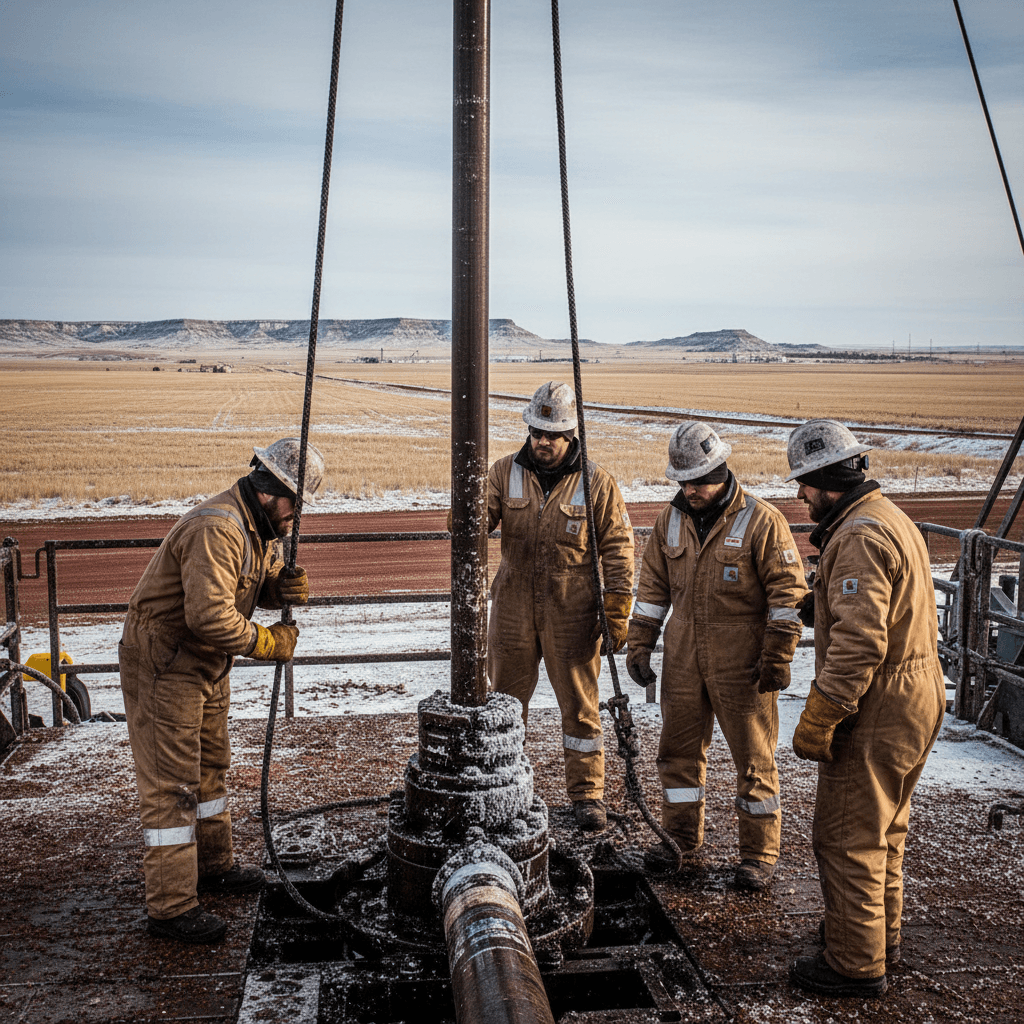
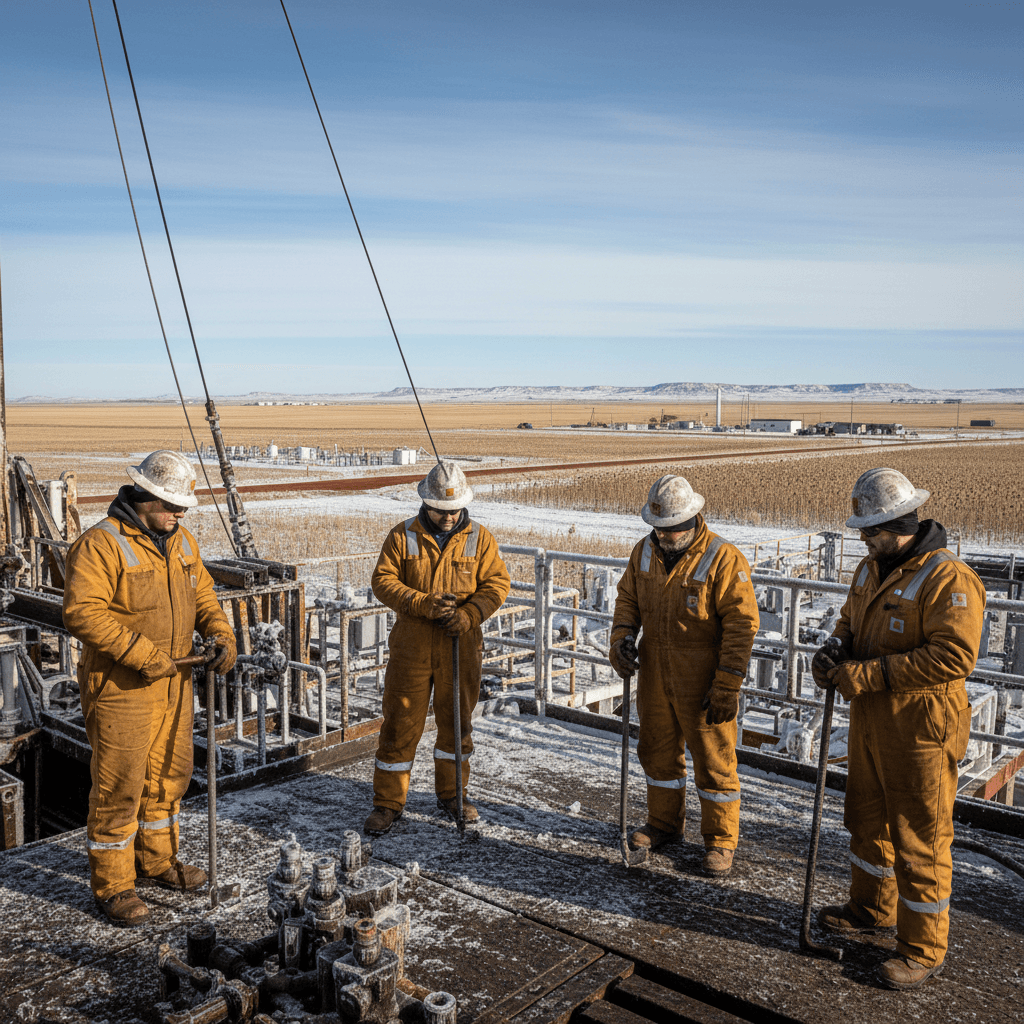
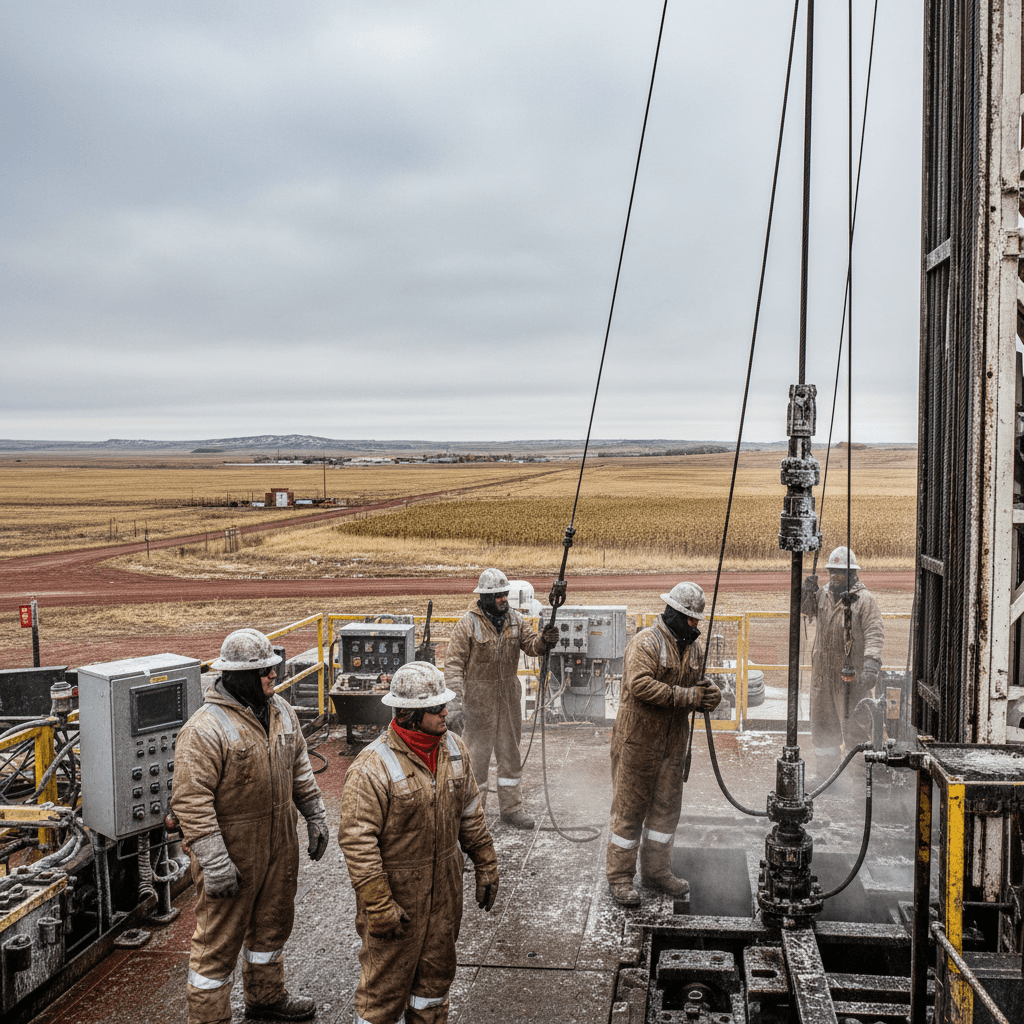
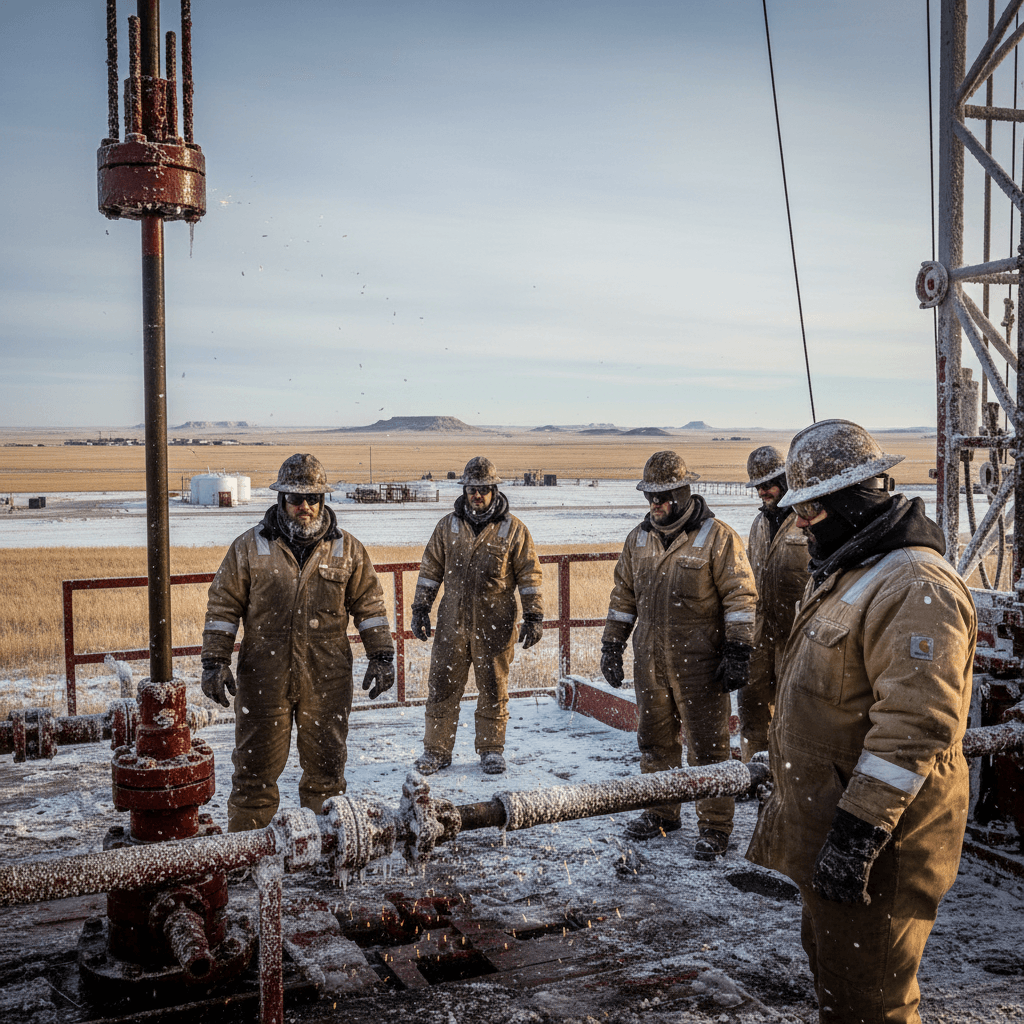
The number of active drilling rigs in North Dakota held steady at 22 on Monday, May 18, 2026, despite benchmark oil prices trading above $100 per barrel. The stability at a low rig count suggests a continued period of restrained activity in the Bakken formation, with limited near-term pressure on local workforce and housing markets.
West Texas Intermediate (WTI) crude closed midday at $103.01, a gain of $1.99 or 1.97%. The international benchmark Brent crude traded at $111.08. The Bakken crude differential was -$3.42 versus WTI, putting local wellhead prices near $99.59. Natural gas was priced at $3.02.
Historically, rig counts in the Bakken are a primary indicator of oilfield employment levels, directly driving demand for drilling crews, field service technicians, and construction workers. A count of 22 rigs represents a fraction of the peak activity seen during previous boom cycles, which regularly exceeded 200 rigs and strained local housing, infrastructure, and services.
The sustained low rig count, even amid strong commodity prices, points to a focus by operators on capital discipline and efficiency. Companies are likely prioritizing development of existing drilled but uncompleted wells (DUCs) and optimizing production from existing assets rather than launching new drilling campaigns that require significant manpower.
For communities in the Williston Basin, this environment translates to stable, manageable growth. Housing markets in cities like Williston, Dickinson, and Minot are not facing the acute shortages and price spikes characteristic of high-rig periods. Local government budgets, which rely heavily on oil and gas tax revenues, benefit from sustained production and high prices, but do not face the simultaneous logistical challenges of rapid population influx.
The current dynamic underscores a maturation of the Bakken play, where profitability at lower activity levels is achieved through technological advances and operational streamlining. This results in a less volatile relationship between oil prices and local community impact, providing a more predictable economic base for western North Dakota.
Source
Bakken Wire Live Data, May 18, 2026