Bakken Workforce and Communities Navigate Low Rig Count Environment
With only 26 active rigs and moderate oil prices, employment and economic activity in western North Dakota remain subdued compared to past boom periods.
The North Dakota oil and gas workforce continues to operate in a period of restrained activity, with the state's active rig count holding at 26 as of Tuesday, June 30, 2026. This level, while stable, represents a fraction of the historic highs seen during previous Bakken booms and directly influences employment, housing, and local economic vitality across the region.
The current price environment provides a mixed signal for potential expansion. West Texas Intermediate (WTI) crude was trading at $69.88 per barrel midday Tuesday, down $0.87 on the day. Bakken crude trades at a discount, with a differential of $-3.42 versus WTI, putting the local price near $66.46. According to general industry analysis, prices in this range can support existing operations but often do not incentivize the significant capital investment required for a major ramp-up in drilling.
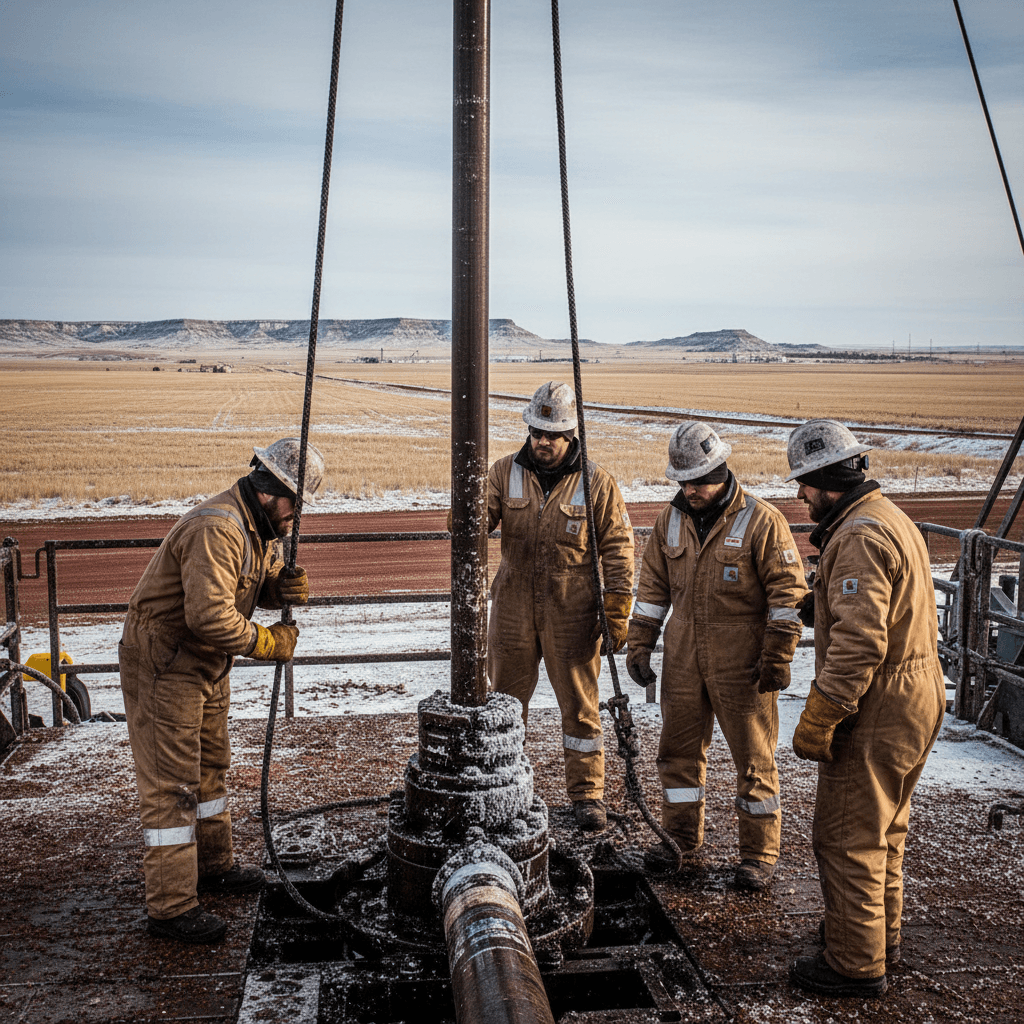
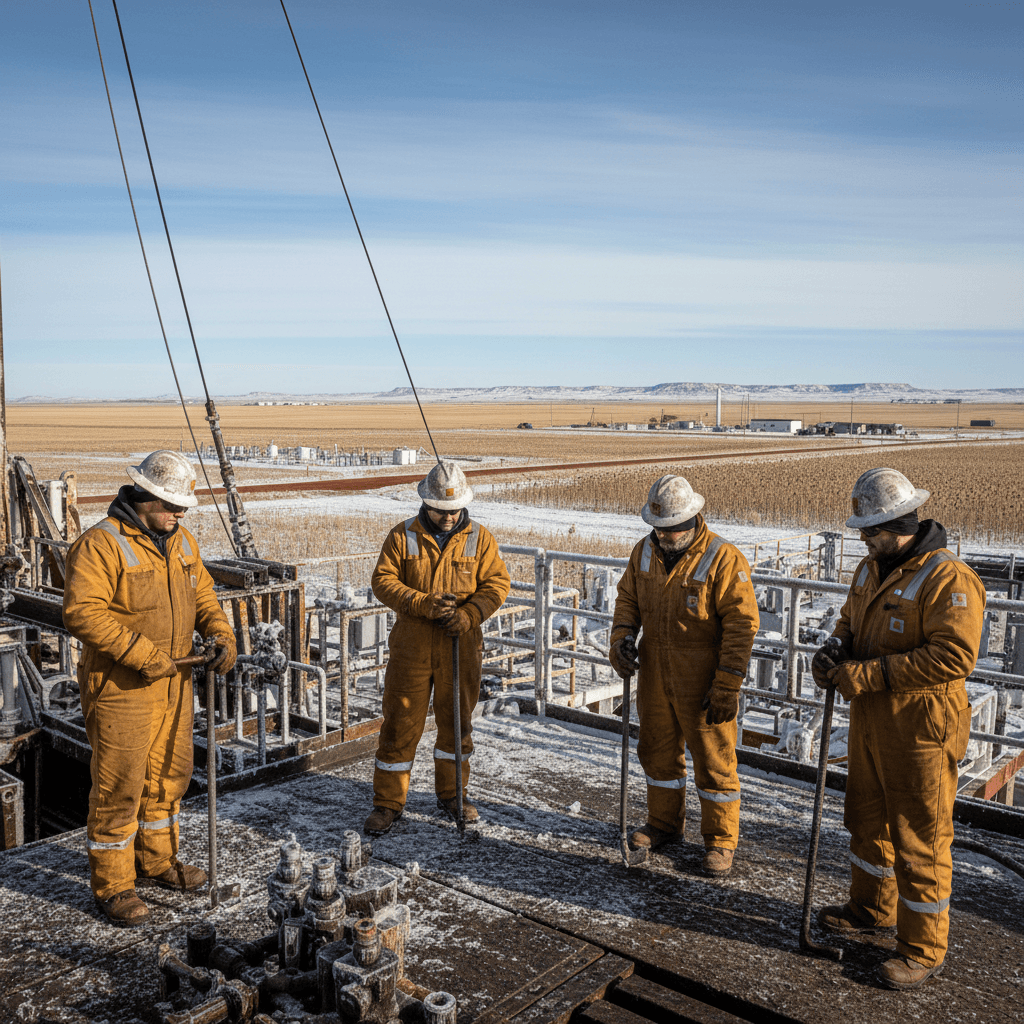
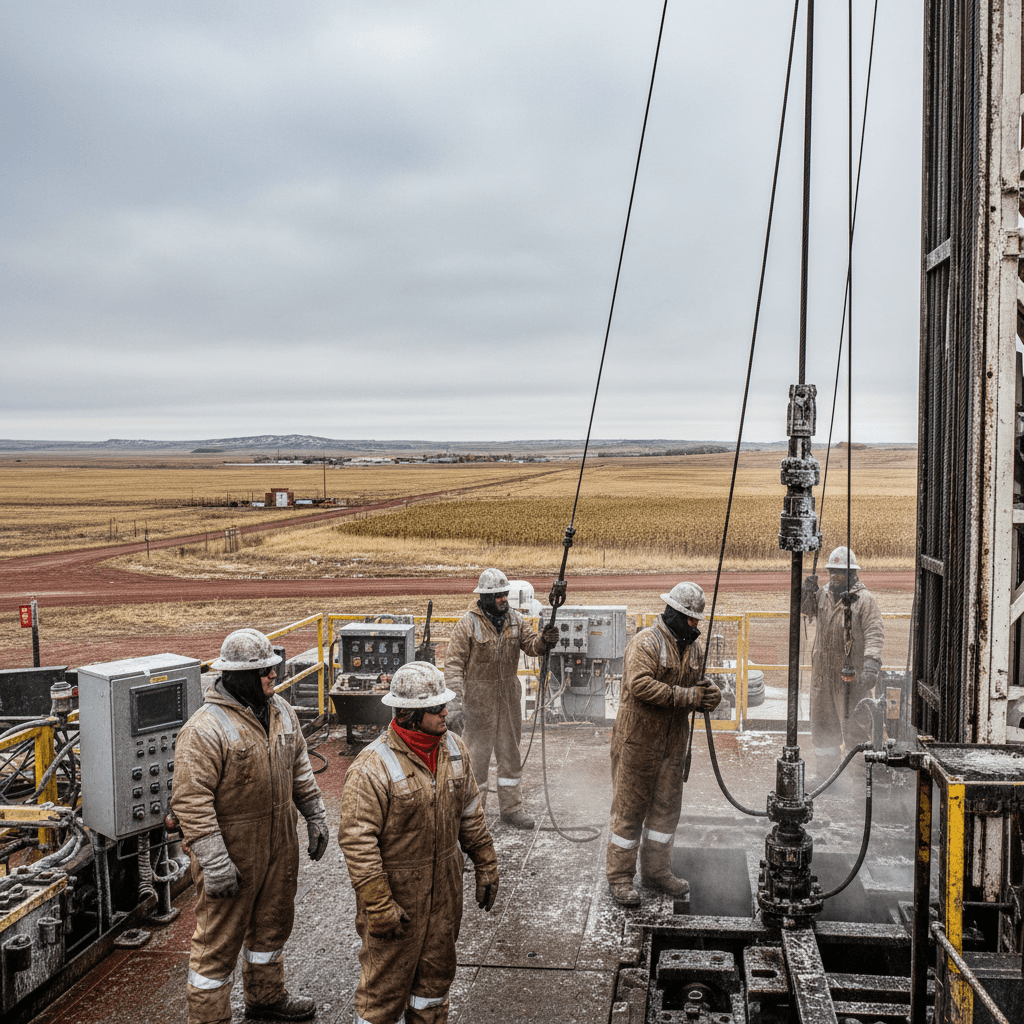
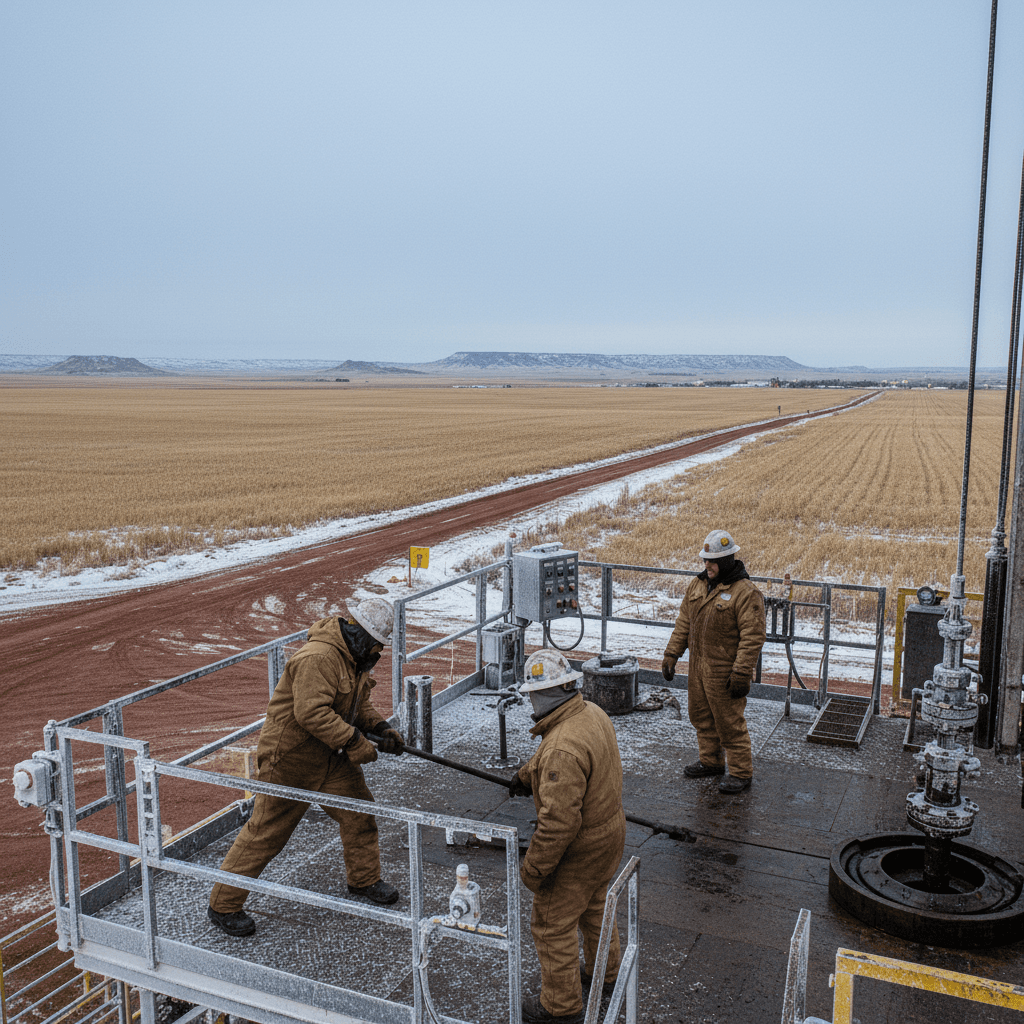
The sustained lower rig count has a cascading effect on the region's workforce. Direct oilfield employment, including drilling, completion, and production crews, is closely tied to the number of active drilling rigs. With 26 rigs running, demand for these high-wage jobs remains limited. Service companies that support drilling activity, from trucking and logistics to well services and equipment supply, also operate with leaner crews compared to busier times.
This moderated pace of industrial activity has brought a measure of stability to community infrastructure in the Bakken. During boom cycles, rapid population influx strained housing, schools, and roads. The current environment allows local governments and service providers to manage demand more effectively. However, the trade-off is reduced economic velocity; lower employment levels mean less discretionary spending in local businesses, from restaurants and retailers to hospitality and entertainment.
The natural gas price, reported at $3.31 per MMBtu, remains a secondary factor for most Bakken operators, who are primarily oil-directed. While higher gas prices improve overall well economics, they are unlikely to drive new drilling campaigns at current oil price levels.
For royalty owners and local economies in western North Dakota, the landscape is one of steady, measured production rather than explosive growth. The focus for operators remains on efficiency and maximizing output from existing wells, which supports a baseline level of jobs and tax revenue but does not generate the widespread job creation and population growth associated with a sharp increase in the rig count.
Source
Bakken Wire Live Data as of June 30, 2026