Bakken Workforce Braces for Continued Slowdown as Rig Count Holds at 25
Low activity levels signal persistent challenges for employment, housing, and local economies in western North Dakota.
The workforce and communities in North Dakota's Bakken region are navigating a prolonged period of moderated oilfield activity, with the state's rig count holding at 25 as of Thursday, July 9, 2026. This level, far below historic peaks, continues to define the economic reality for western North Dakota towns.
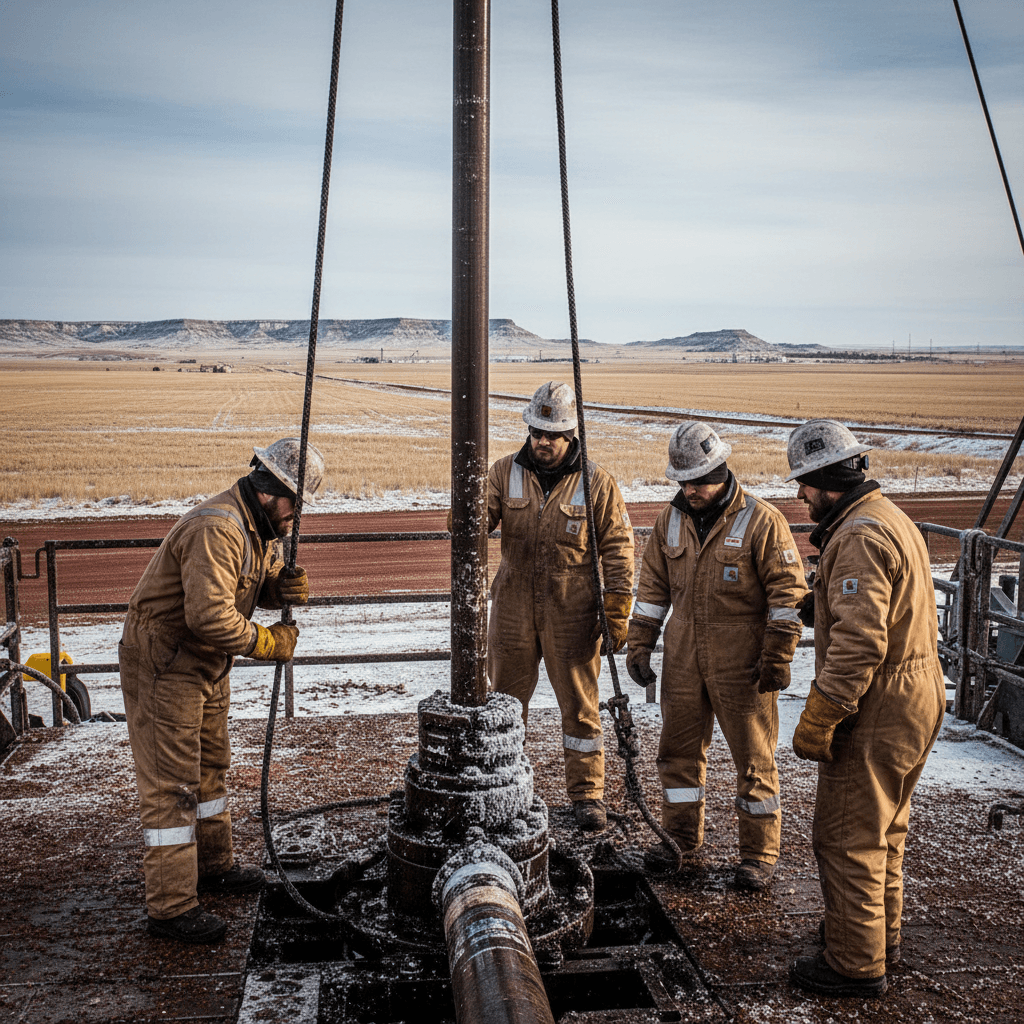
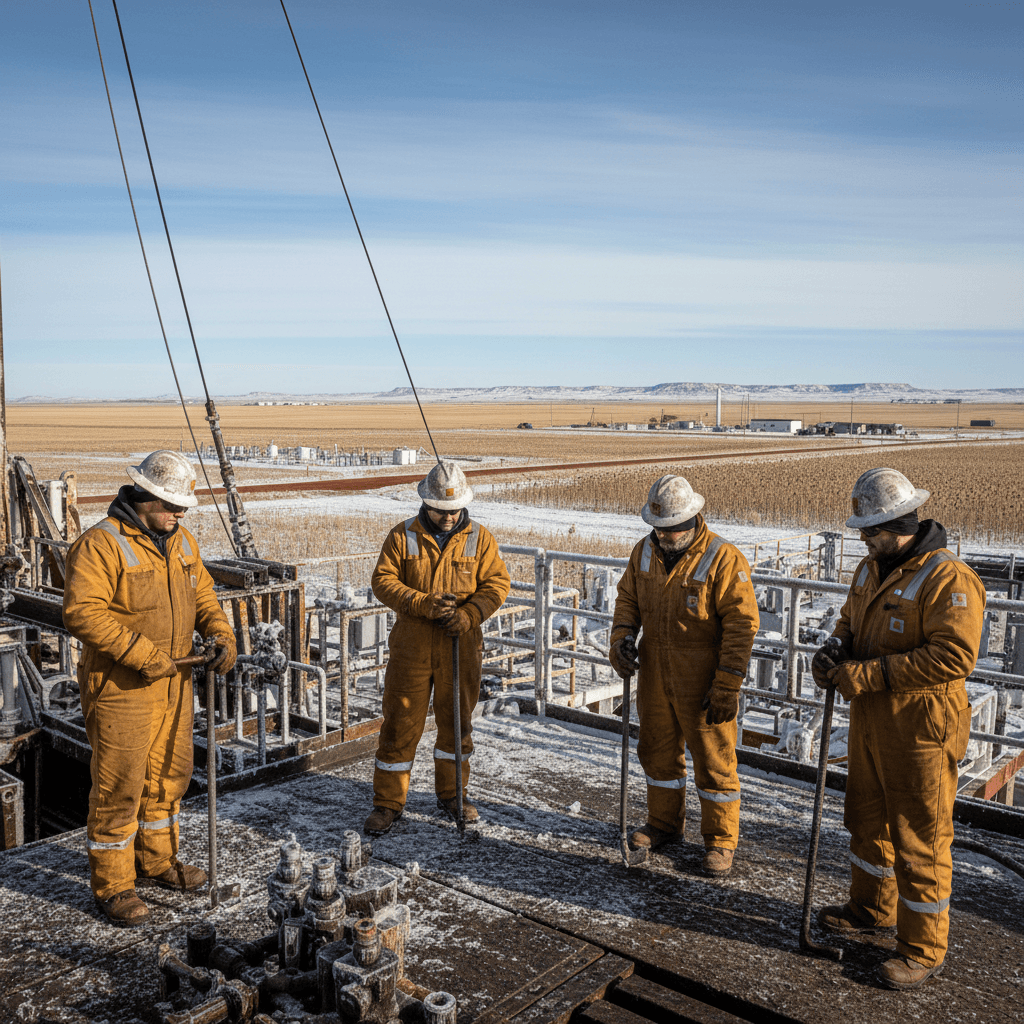
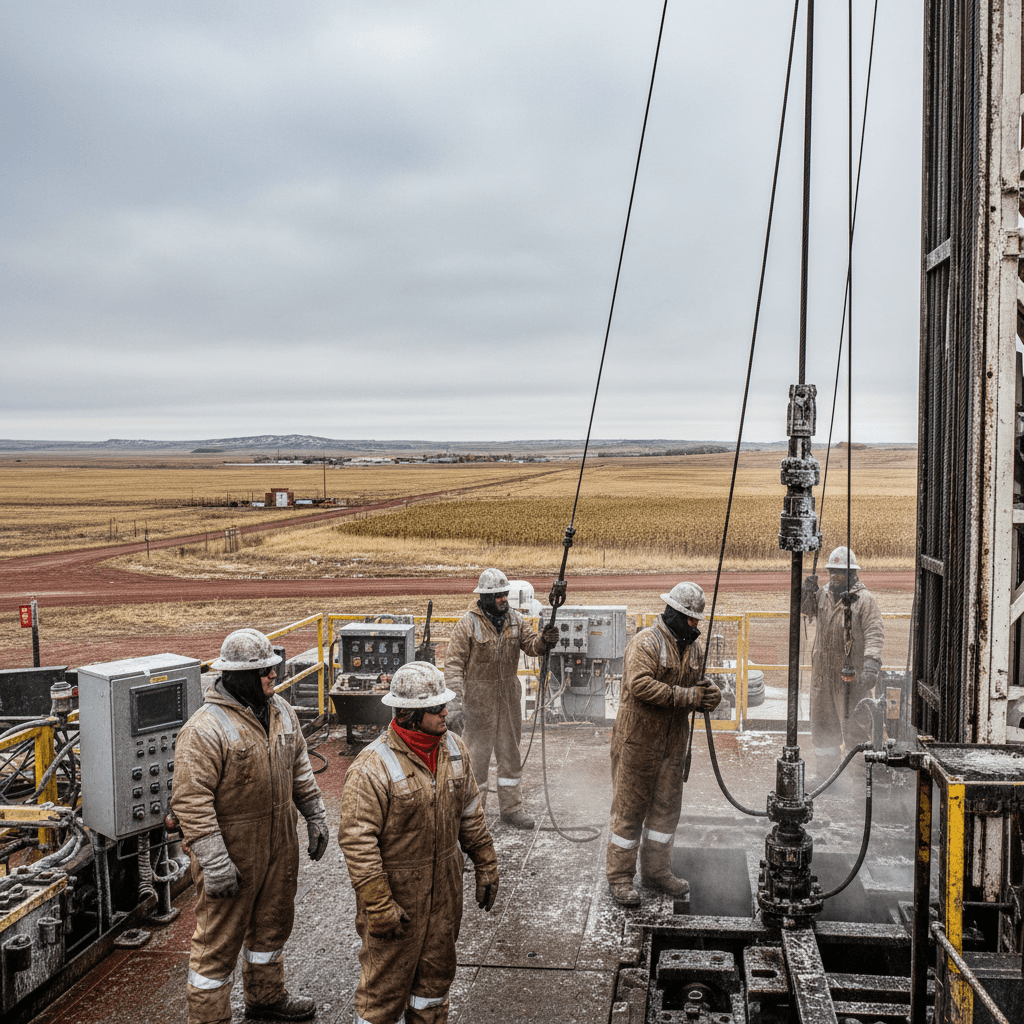
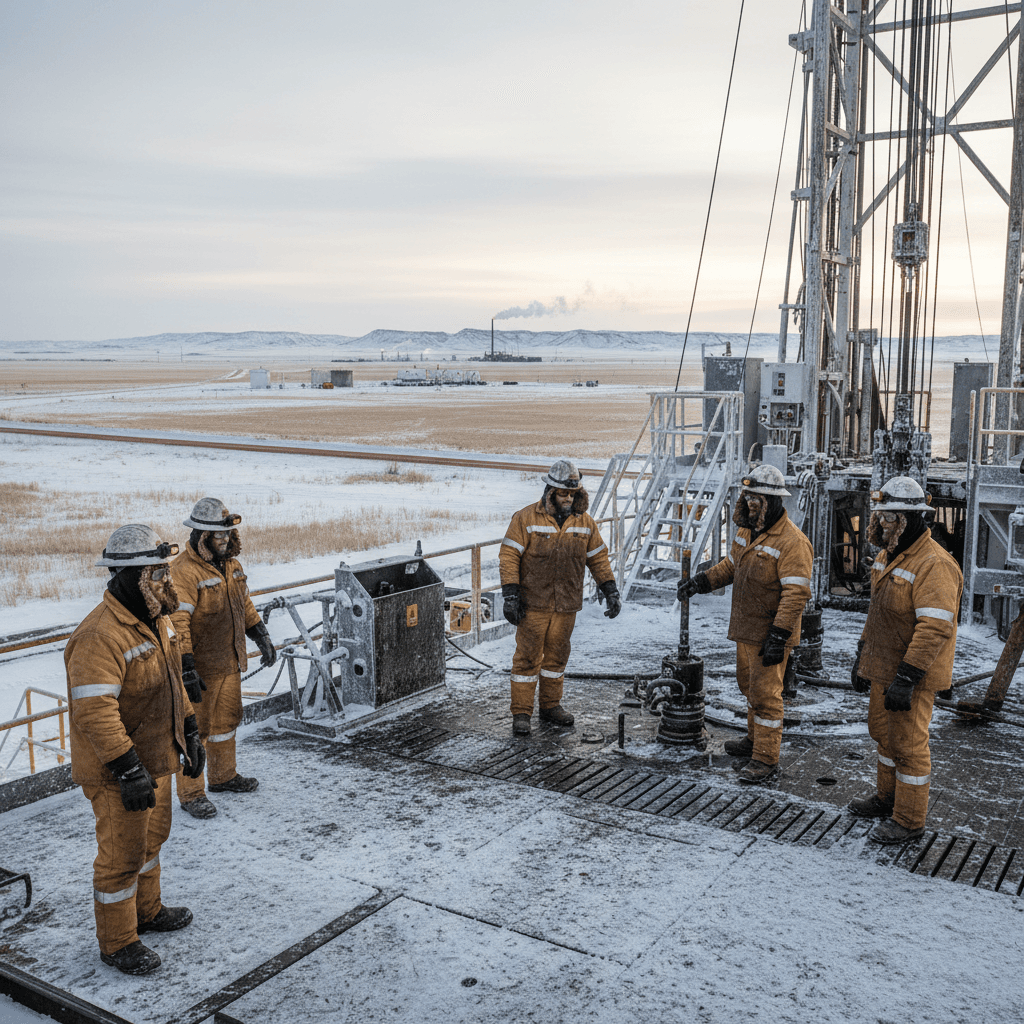
The current active rig count is a primary indicator of direct oilfield employment, including drilling crews, rig hands, and associated support personnel. A count in the mid-20s suggests a stabilized but subdued level of field activity, limiting job growth and overtime opportunities that were hallmarks of previous boom cycles. According to general industry analysis, service company employment and trucking demand typically correlate closely with the number of active drilling rigs.
Compounding the pressure from low activity, oil prices have dipped in midday trading. West Texas Intermediate (WTI) crude was at $72.04 per barrel, down $1.48 or 2.01% for the day. The Bakken crude differential—the discount at which local oil trades versus the WTI benchmark—was $-3.42. These price levels provide marginal incentive for operators to significantly accelerate drilling programs beyond current maintenance levels, which in turn caps hiring needs.
For local communities, the sustained lower rig count has long-term implications for housing markets and municipal budgets. Population influxes that strained housing and infrastructure during boom periods have eased, potentially leading to softer rental markets and more stable housing availability. However, local economies that rely on sales tax revenue and spending from oilfield workers continue to operate in a cautious mode, without the robust growth seen in higher-activity eras.
The broader relationship between rig activity and community impact in the Bakken is well-established. High rig counts drive demand for all services, from hotels and restaurants to retail and construction, while low counts lead to consolidation and a focus on efficiency. The current environment suggests a focus on core operations by remaining operators, with workforce levels tailored to maintain production from existing wells rather than aggressively drill new ones.
Natural gas prices, recorded at $3.02 per MMBtu, remain a secondary factor for the primarily oil-focused Bakken, but influence the economics of gas capture and midstream operations. The overall data picture points to a continuation of the careful balance that has characterized the Bakken in recent years: enough activity to sustain core communities, but not enough to reignite widespread labor shortages or inflationary pressures seen in the past.
Source
Bakken Wire Live Data as of July 9, 2026