Bakken Workforce, Communities Stabilize Amid Moderate Rig Count
North Dakota's 24 active rigs, supported by oil prices above $80, suggest a steady but subdued pace for regional employment and housing.
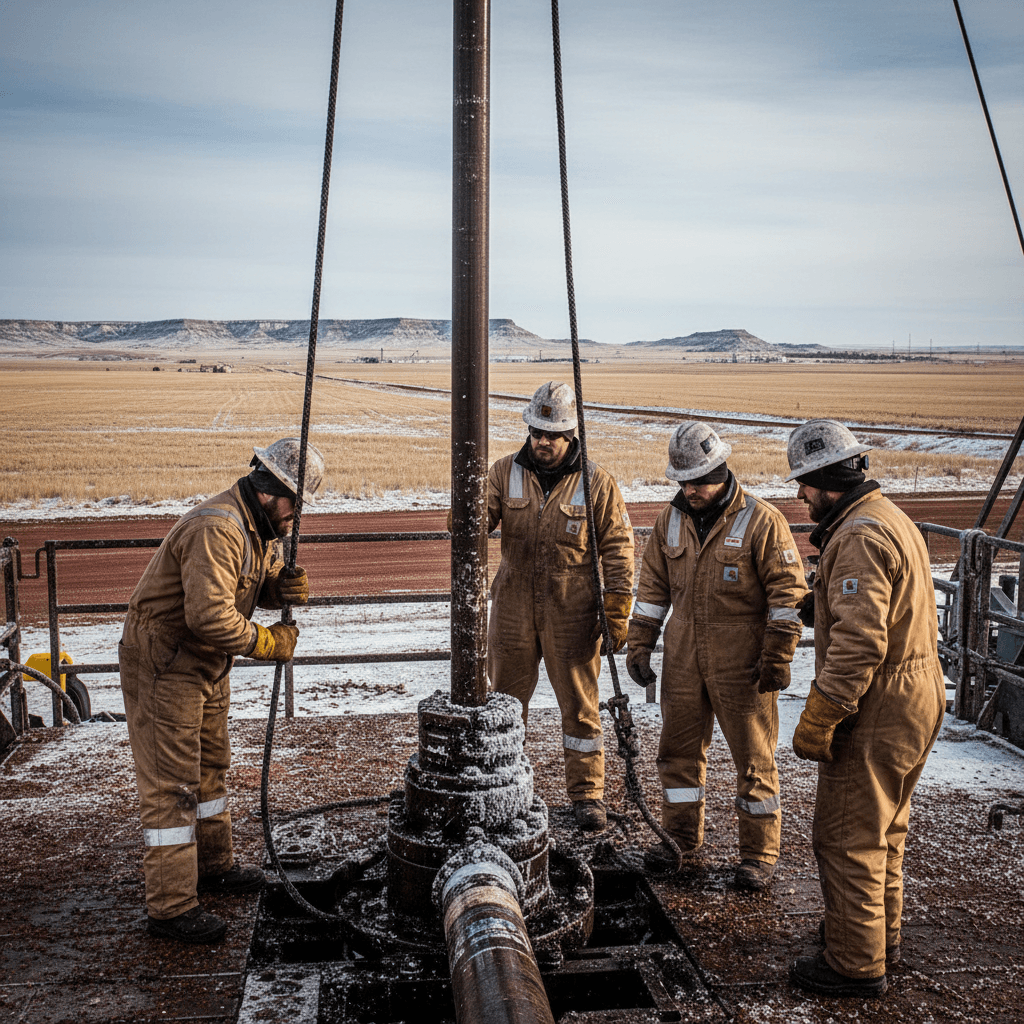
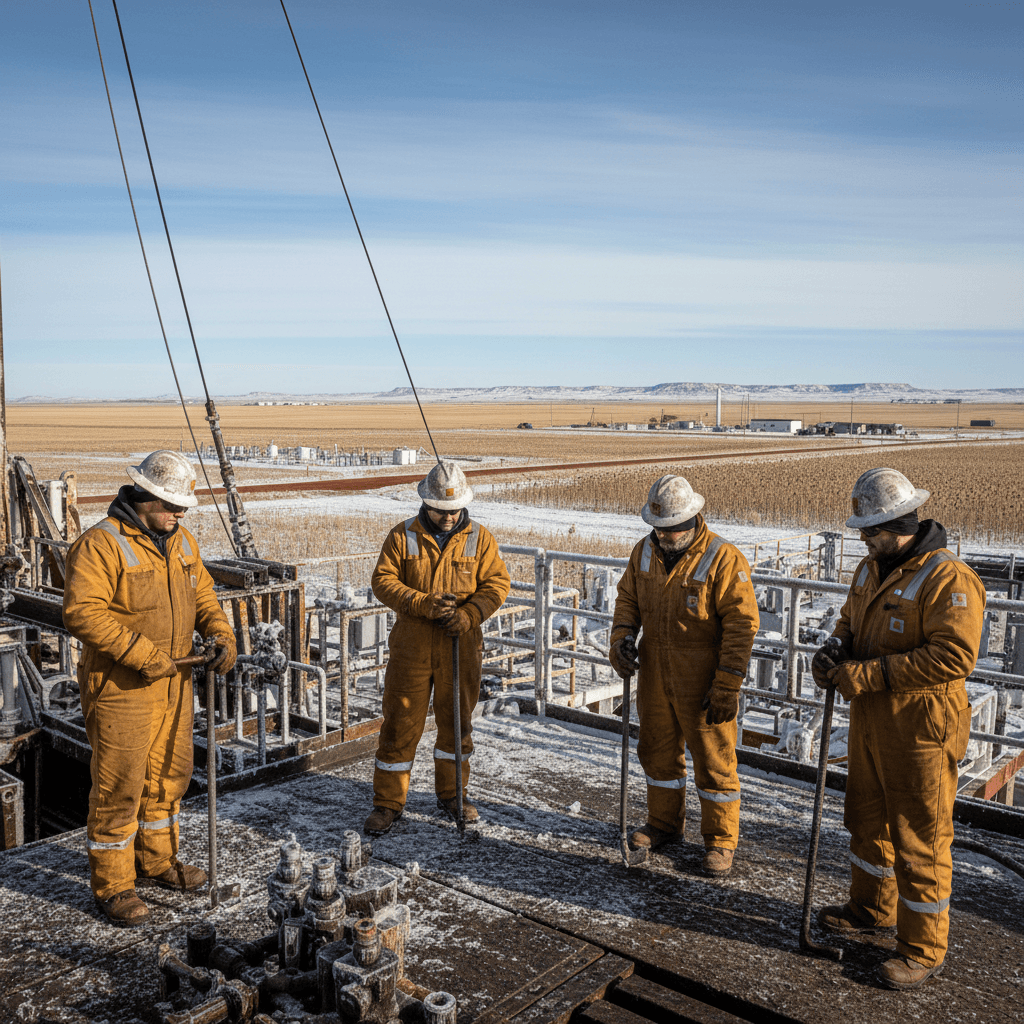
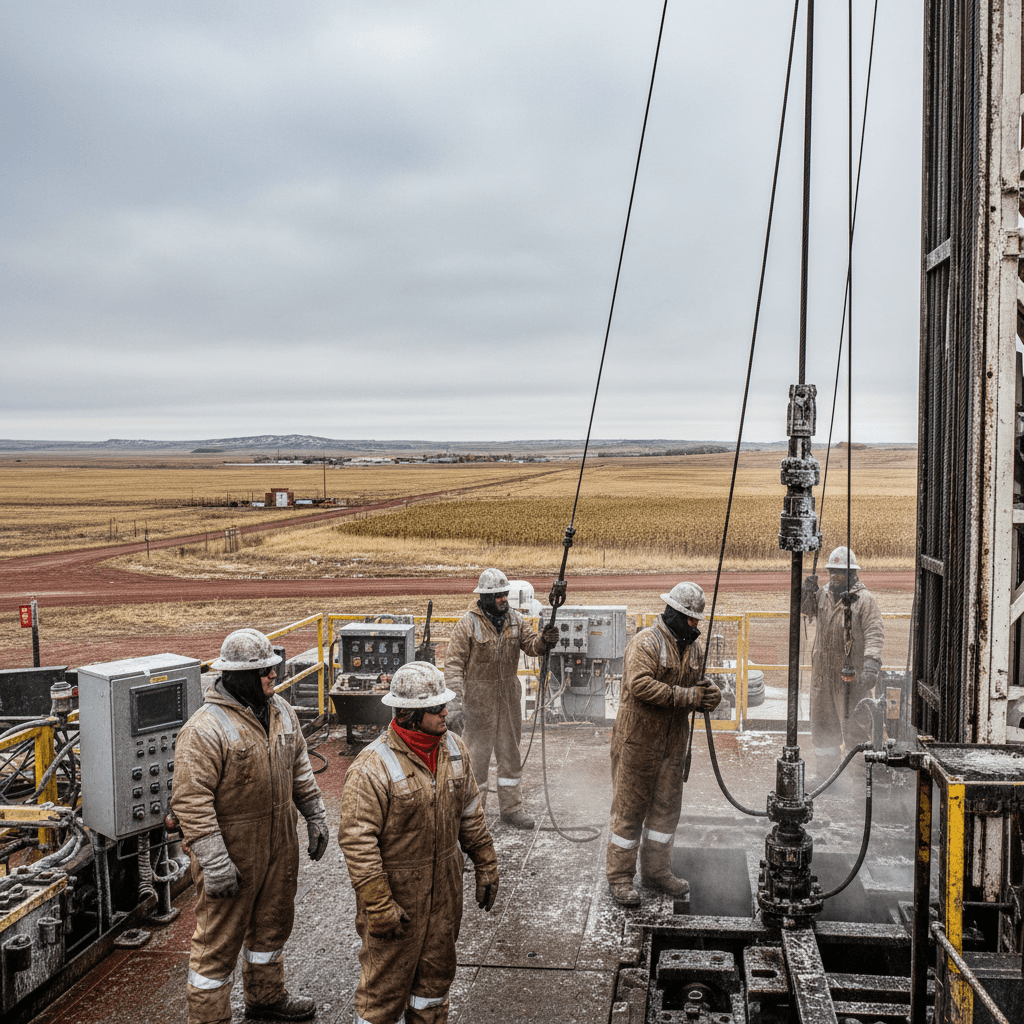
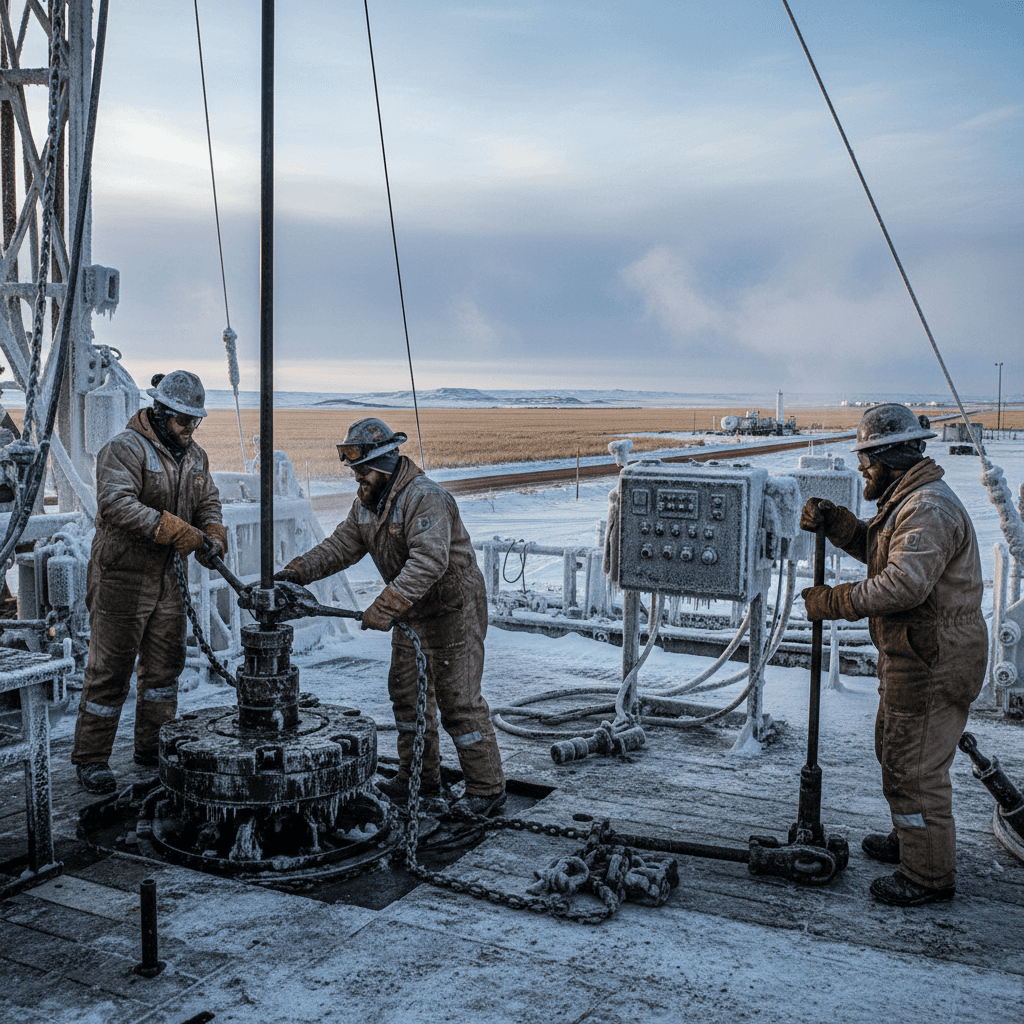
The North Dakota oil industry is operating at a steady, moderate pace with 24 rigs actively drilling, a level that typically supports a stable workforce and predictable demand for housing and services in the Bakken region, according to live Bakken data. The current rig count, far below historic boom peaks, reflects a mature phase of development focused on efficiency.
Supporting this activity, oil prices provide a favorable backdrop. West Texas Intermediate (WTI) crude was trading at $82.50 per barrel on Monday, July 20, 2026, an increase of 88 cents. Bakken crude was priced at a differential of $3.42 below WTI, putting local crude at approximately $79.08. Brent crude, the international benchmark, traded at $88.96.
In the Bakken, the direct link between rig count, commodity prices, and community economic health is well-established. Higher rig counts translate directly into more drilling, completion, and production jobs, which in turn drive demand for housing, retail, and public services in counties like McKenzie, Williams, and Mountrail. The current count of 24 rigs is unlikely to trigger significant new in-migration or acute housing shortages, but it sustains a core level of employment and business activity.
This stability is a marked contrast to previous cycles. The region's workforce and infrastructure have adapted following the boom-and-bust periods of the last decade. Municipalities and service providers now operate with a focus on managing sustainable growth rather than reacting to explosive population surges. Steady oil prices above $80 per barrel help maintain operator cash flow and capital expenditure budgets, which fund the ongoing work that employs local residents.
The natural gas price, recorded at $2.83 per MMBtu, remains a secondary factor for most Bakken producers, who primarily target oil. However, it influences the economics of gas capture and midstream operations. The consistent, moderate activity level suggests communities are experiencing a period of equilibrium, with less volatility in sales tax revenues and housing markets compared to prior years. For the regional workforce, this environment likely offers more predictable employment than the extreme fluctuations of the past.
Source
Live Bakken Data for July 20, 2026