Bakken Rig Count Holds at 23 as Oil Prices Retreat from Highs
Current activity level suggests stable but measured workforce demand in western North Dakota communities.
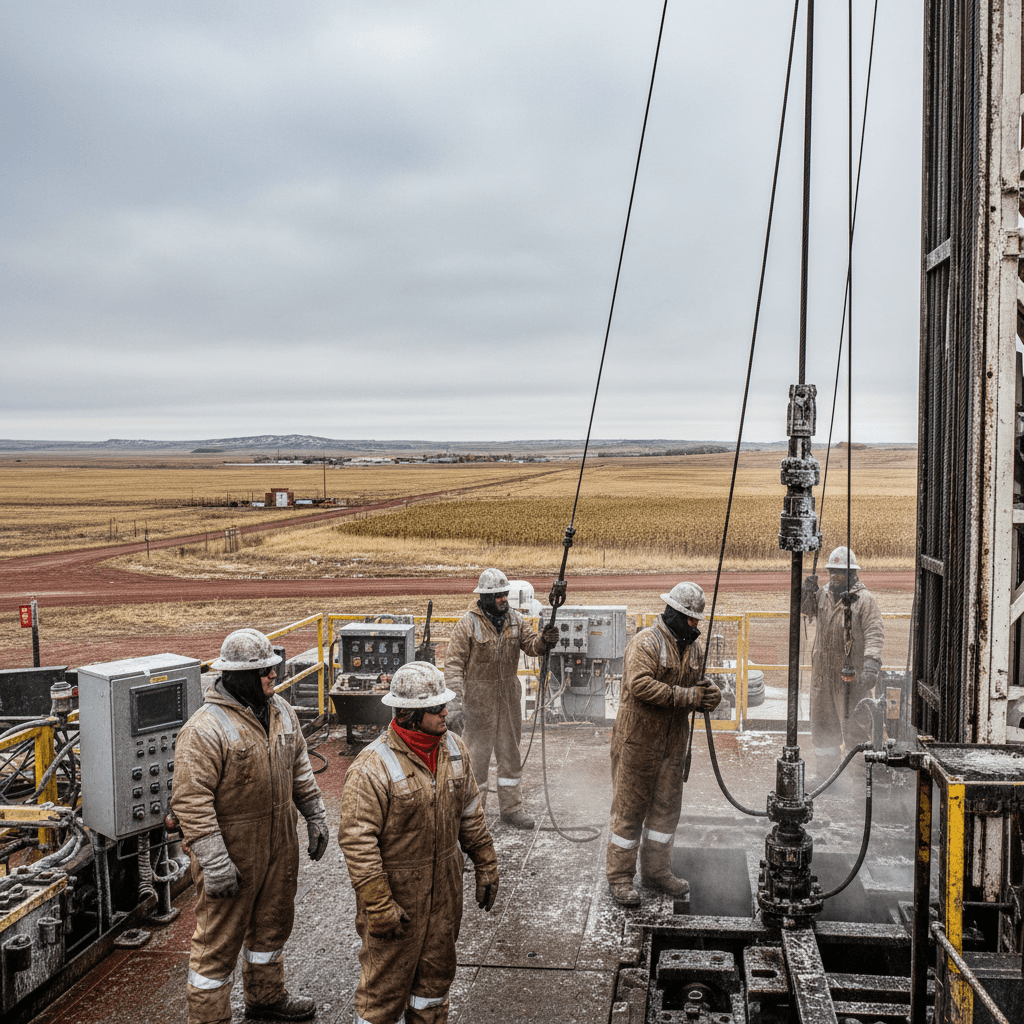
The number of active drilling rigs in North Dakota held steady at 23, according to the latest Bakken Wire data. This count provides a key indicator for employment and economic activity in the region's oil-producing communities, even as crude oil prices saw a significant midday decline.
West Texas Intermediate (WTI) crude was trading at $101.94 per barrel, down $3.13 or 2.98% for the day. The international benchmark Brent crude fell to $108.17. The price for Bakken crude at the wellhead is typically discounted against WTI; the current differential is -$3.42. Natural gas was priced at $2.78 per MMBtu.
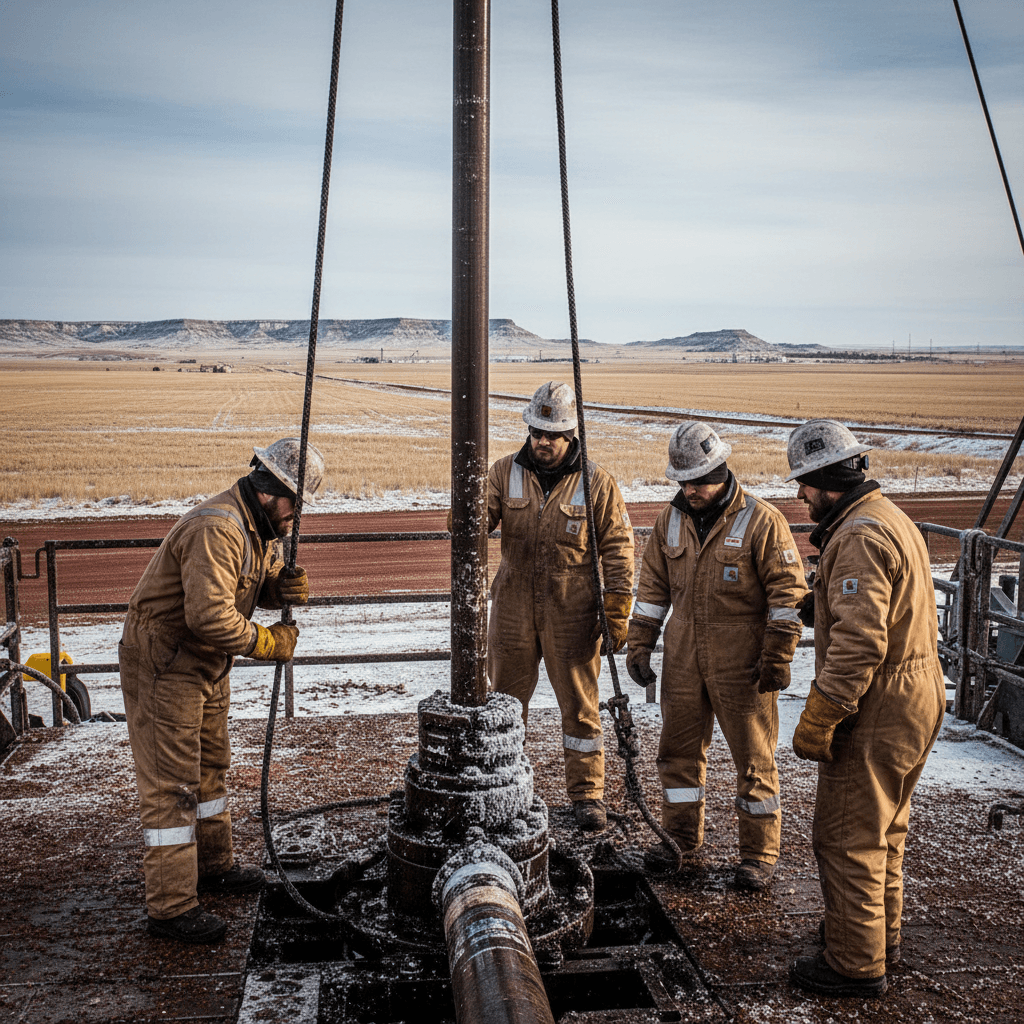
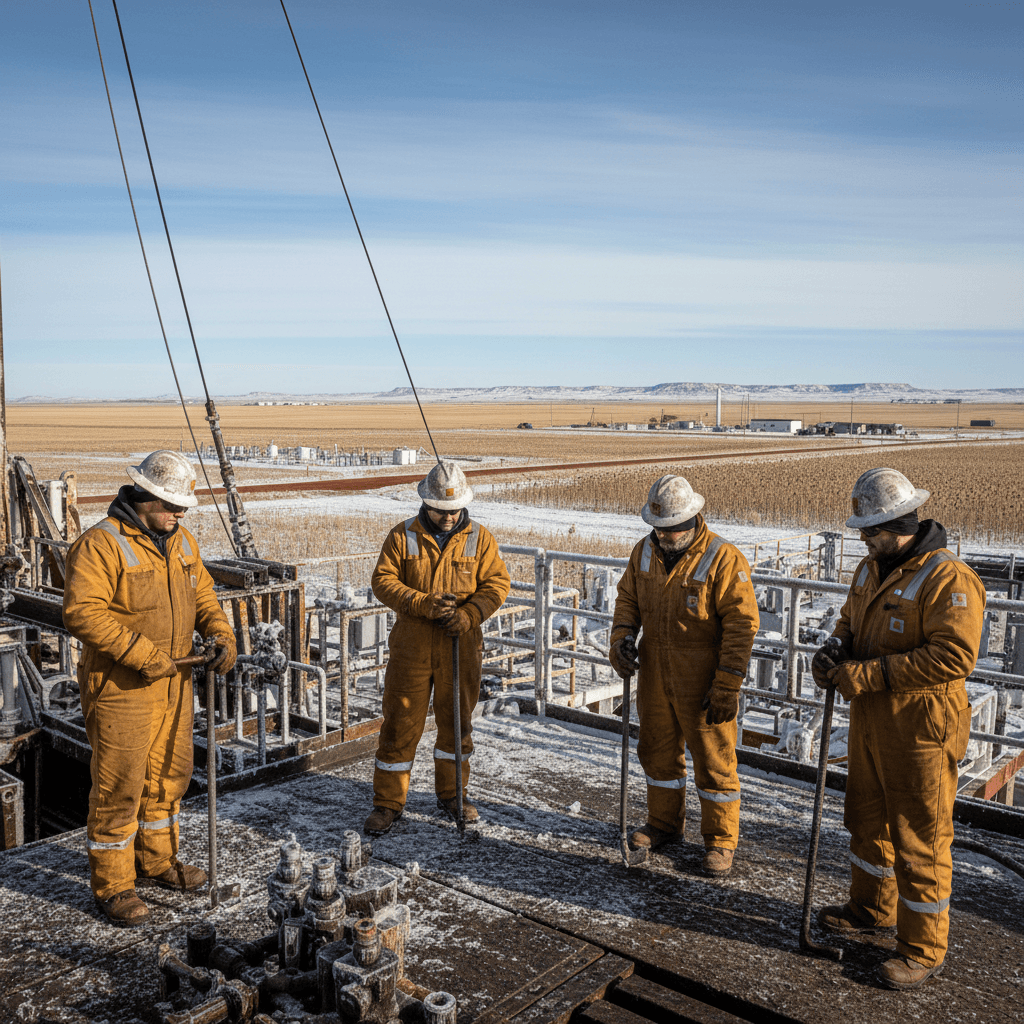
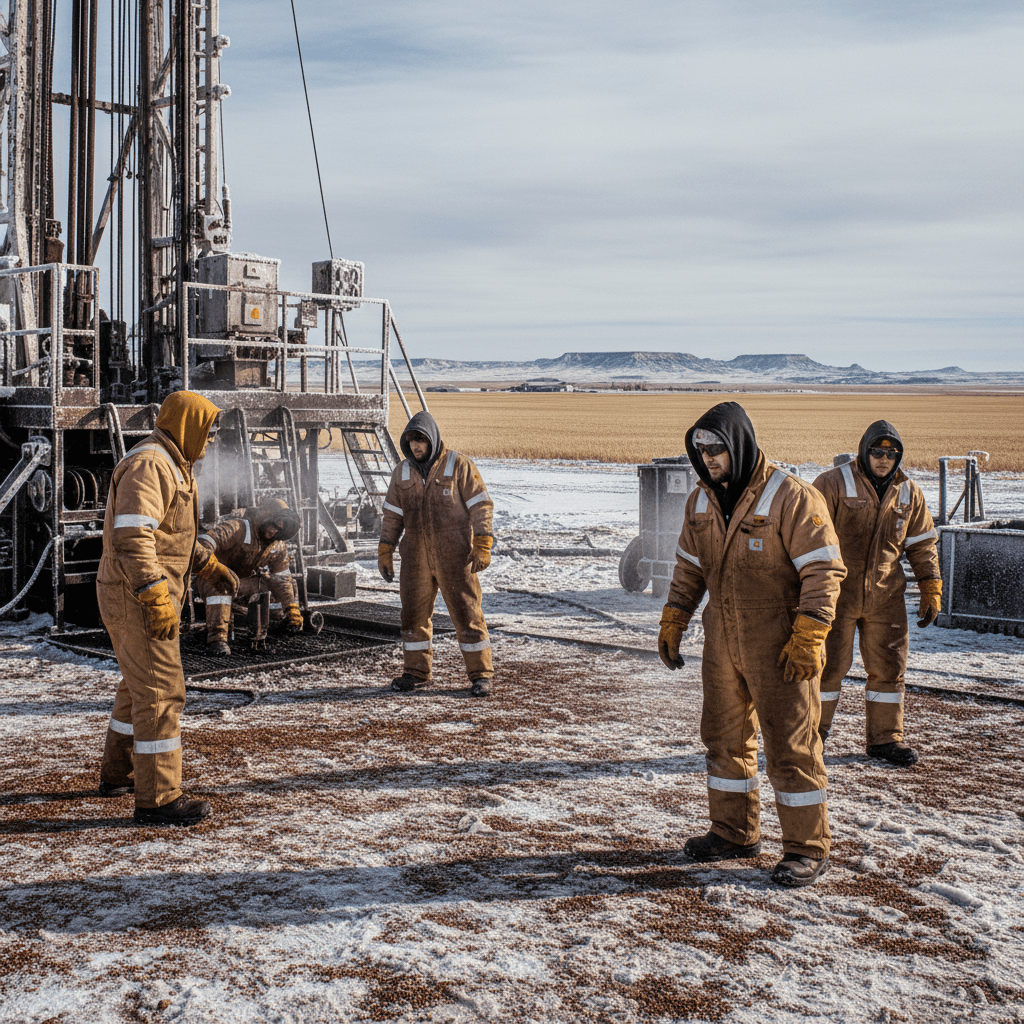
In the Bakken formation, the rig count is a leading indicator for direct and indirect employment. A count in the low 20s, sustained over time, suggests a stable but far-from-booming demand for oilfield workers including drillers, completions crews, and truck drivers. This level of activity is unlikely to trigger the severe housing shortages or rapid population influx seen during previous boom cycles, allowing community infrastructure and services to manage more steadily.
The relationship between oil prices, rig activity, and community impact is well-established in western North Dakota. Higher sustained oil prices generally lead operators to increase drilling budgets, deploying more rigs and crews. This, in turn, increases demand for housing, retail, and public services in hub communities like Williston, Dickinson, and Watford City. Conversely, a sharp drop in prices can lead to rapid slowdowns and outmigration.
The current mid-day price pullback, if sustained, could influence future capital expenditure plans. However, with WTI still above the $100 per barrel threshold, the existing rig count is likely supported. For local economies, this environment typically correlates with stable sales tax revenues and a balanced job market, avoiding the extreme volatility of the past.
For royalty owners and service companies, the stable rig count at this price point indicates continued, predictable production development. The focus for many operators in such a market is on efficiency and drilling in the core areas of the Bakken, which maximizes output per rig and supports a consistent level of local spending.
Source
Bakken Wire live data for May 3, 2026.