Bakken Rig Count Holds at 27 Amid Flat Oil Prices
Workforce and community stability persists in western North Dakota as activity levels remain steady.
The active rig count in North Dakota held steady at 27 on Sunday, August 2, 2026, according to Bakken Wire data. This stability in drilling activity comes as benchmark oil prices showed little movement, with WTI crude trading at $84.67 per barrel.
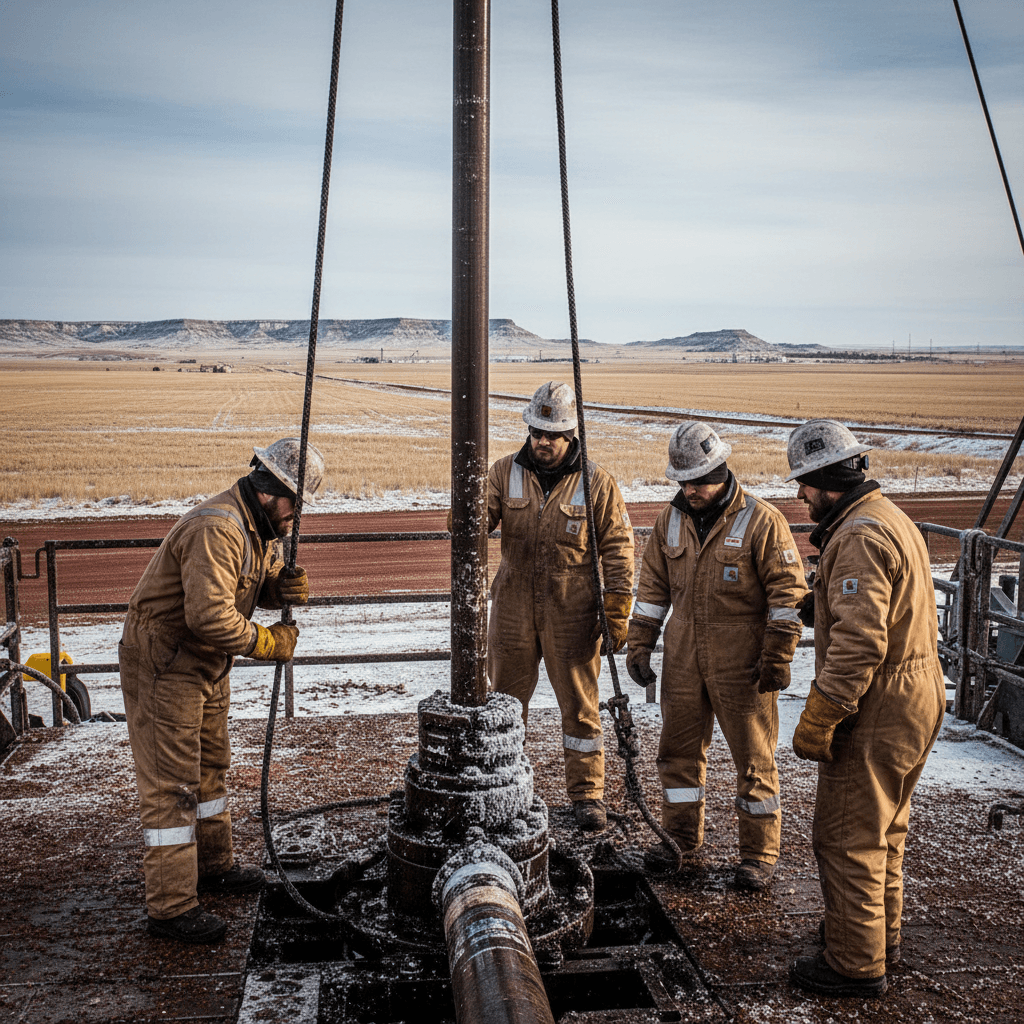
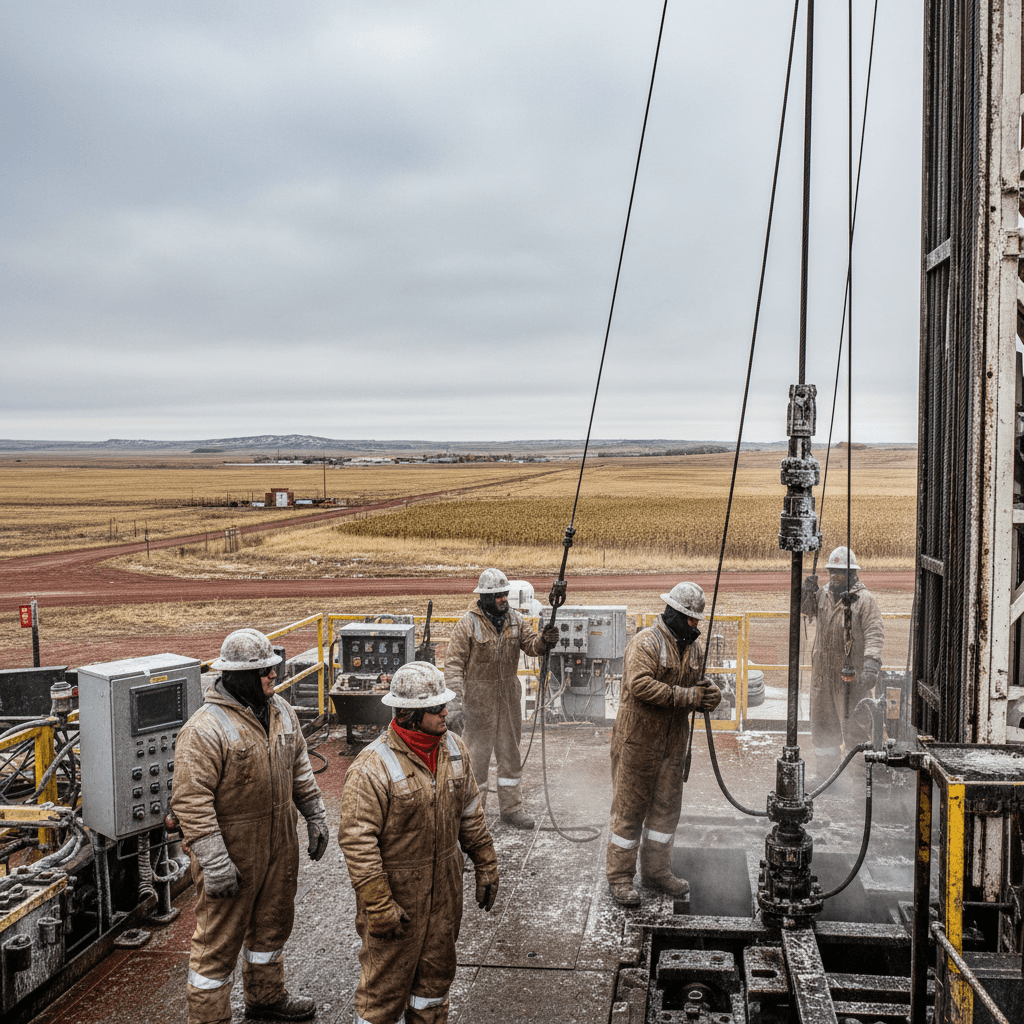
The current rig count, while significantly lower than the boom-era peaks, represents a sustained level of operational activity in the Williston Basin. Historically, the number of active drilling rigs is a leading indicator for direct and indirect employment in the region's oilfields.
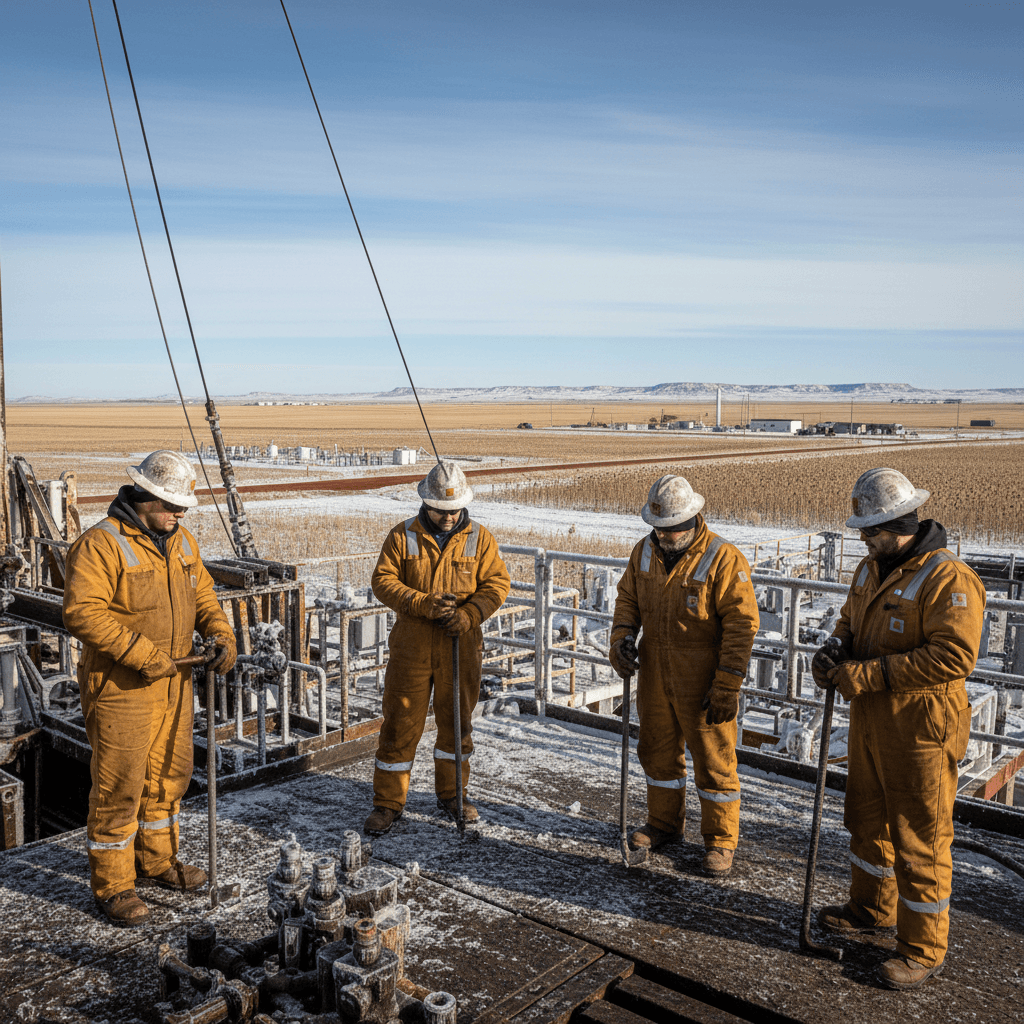
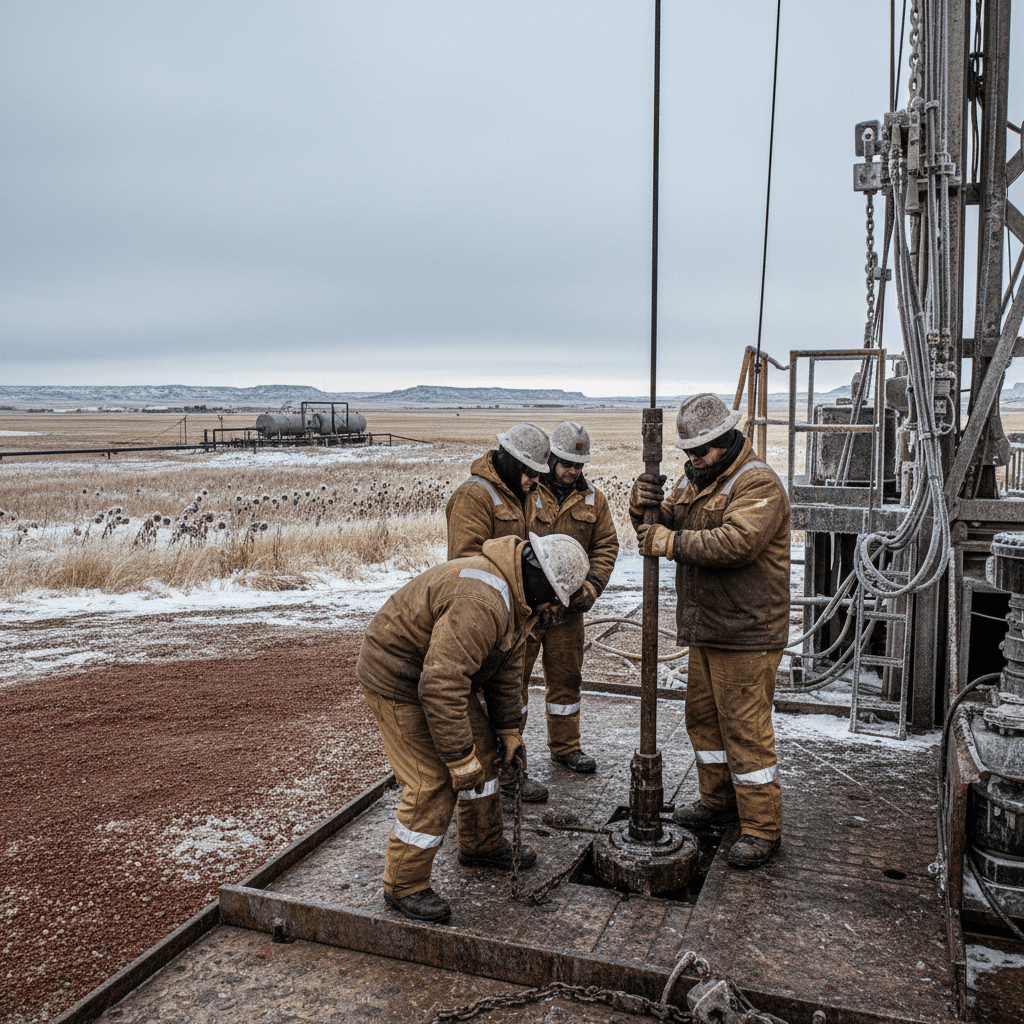
Steady rig activity supports a consistent demand for field personnel, including drilling crews, completion teams, and maintenance workers. This provides a degree of predictability for the local workforce and reduces the volatility that has characterized previous market cycles. Sustained production from existing wells also requires a permanent operations workforce, which contributes to community stability.
For local economies in western North Dakota, a stable rig count helps maintain baseline demand for housing, retail, and services. The extreme housing shortages and inflation seen during the last boom are unlikely to resurface at current activity levels, allowing communities to manage growth more sustainably. Municipal revenues tied to oil production and related development remain a critical component of local budgets.
The price environment offers some support for ongoing activity. With Bakken crude priced at a $3.42 discount to WTI, local barrels are trading around $81.25. The current WTI price above $84 provides operators with sufficient revenue to continue planned drilling and well maintenance programs, which in turn underpins the regional employment picture.
The broader community impact in the Bakken is now shaped more by long-term production efficiency than by rapid cyclical expansion. While high-paying field jobs are available, the total employment footprint is more measured. This allows local schools, infrastructure, and social services to adapt to a "new normal" of moderate, consistent oil-driven economic activity rather than managing the strains of a rapid boom-bust cycle.
Source
Bakken Wire live data for August 2, 2026