Bakken Rig Count Holds at 27 as Oil Prices Rise
Steady drilling activity and stronger crude prices provide stability for regional workforce and local economies.
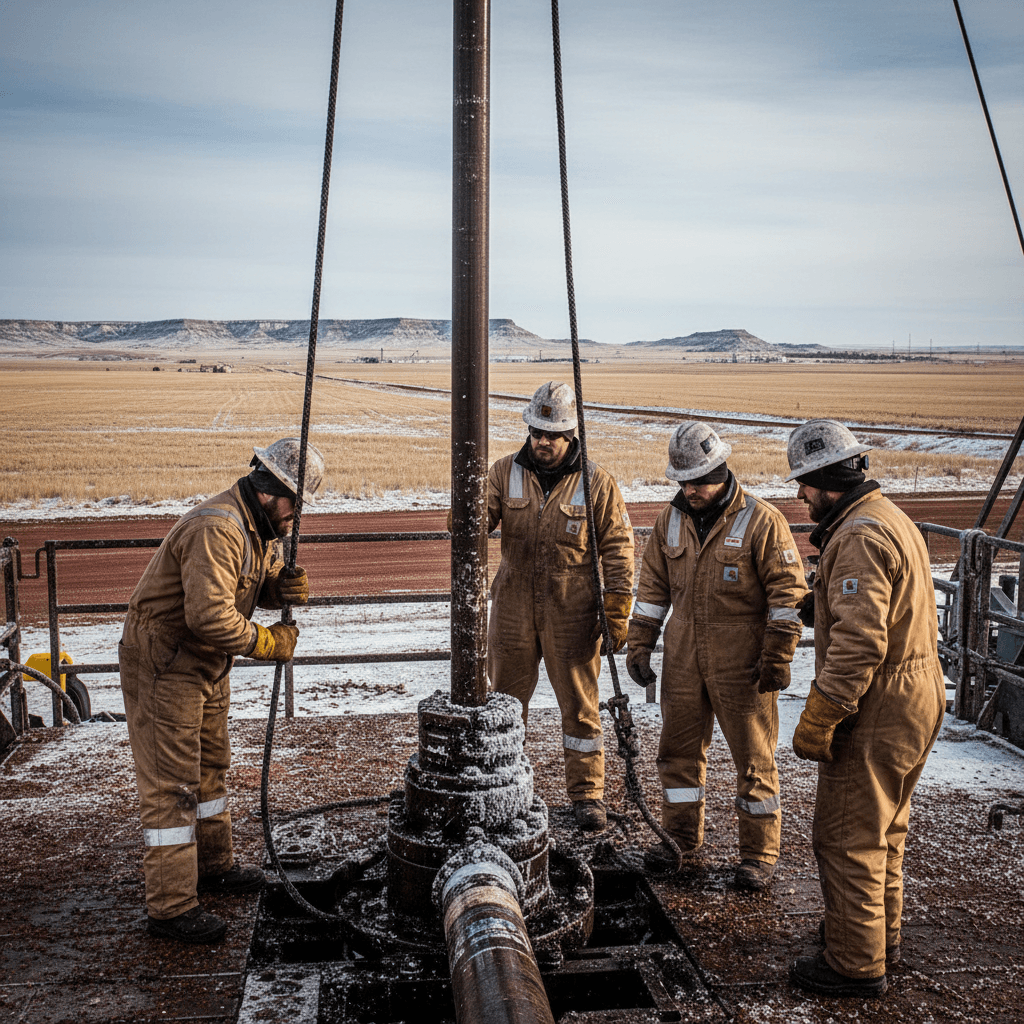
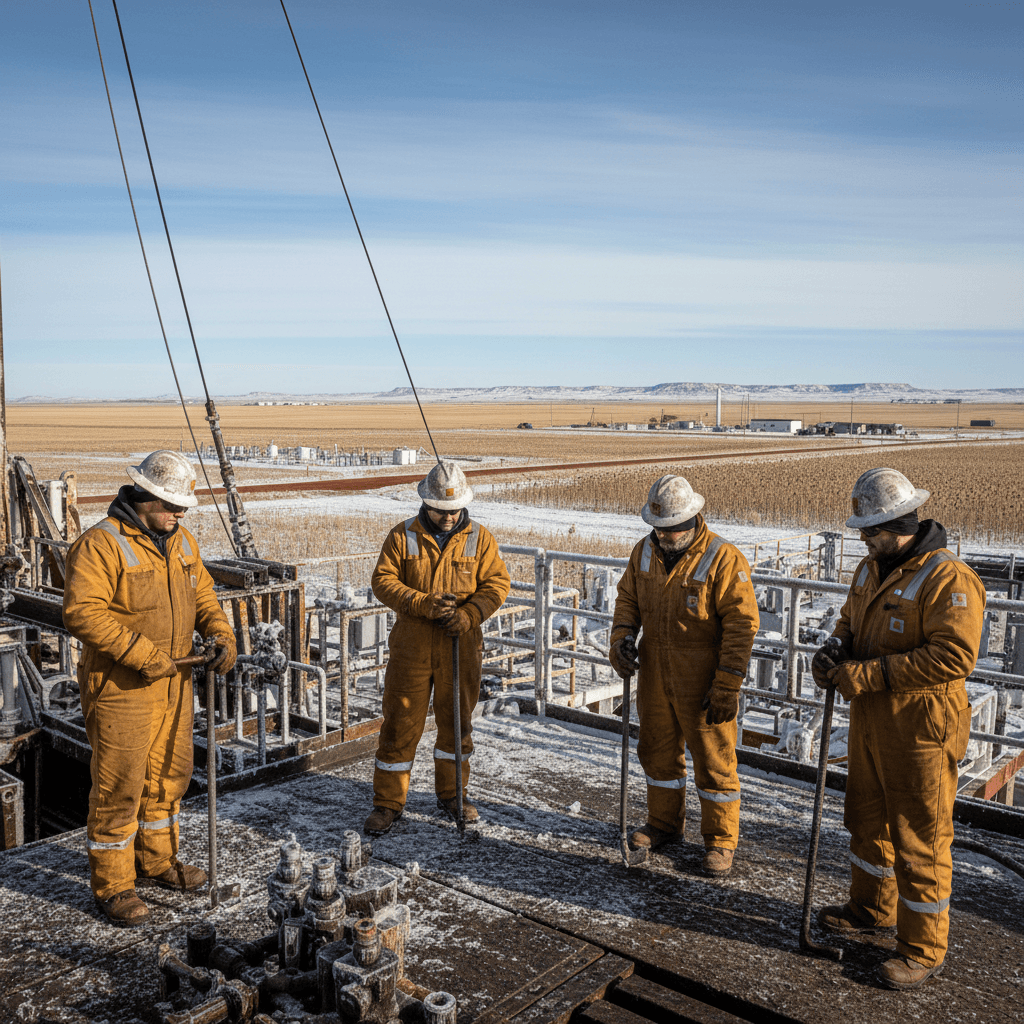
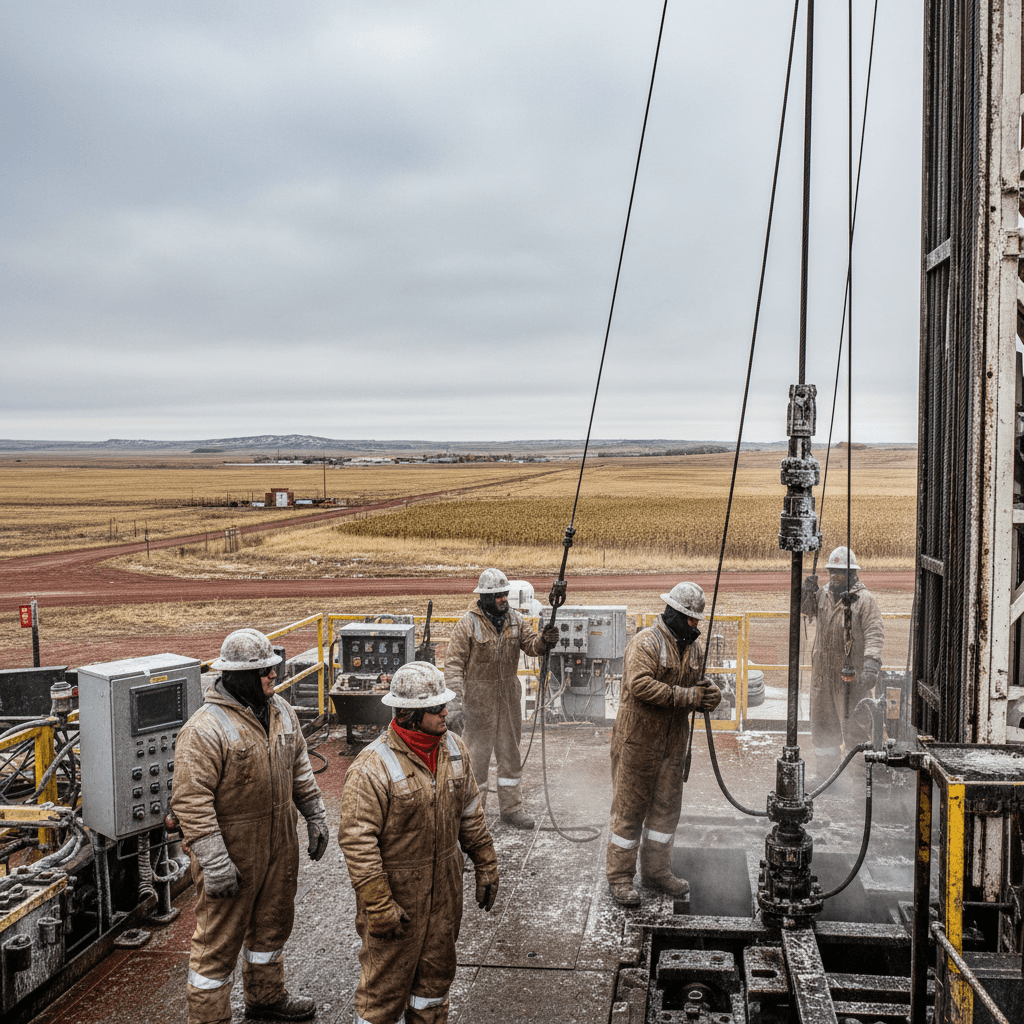
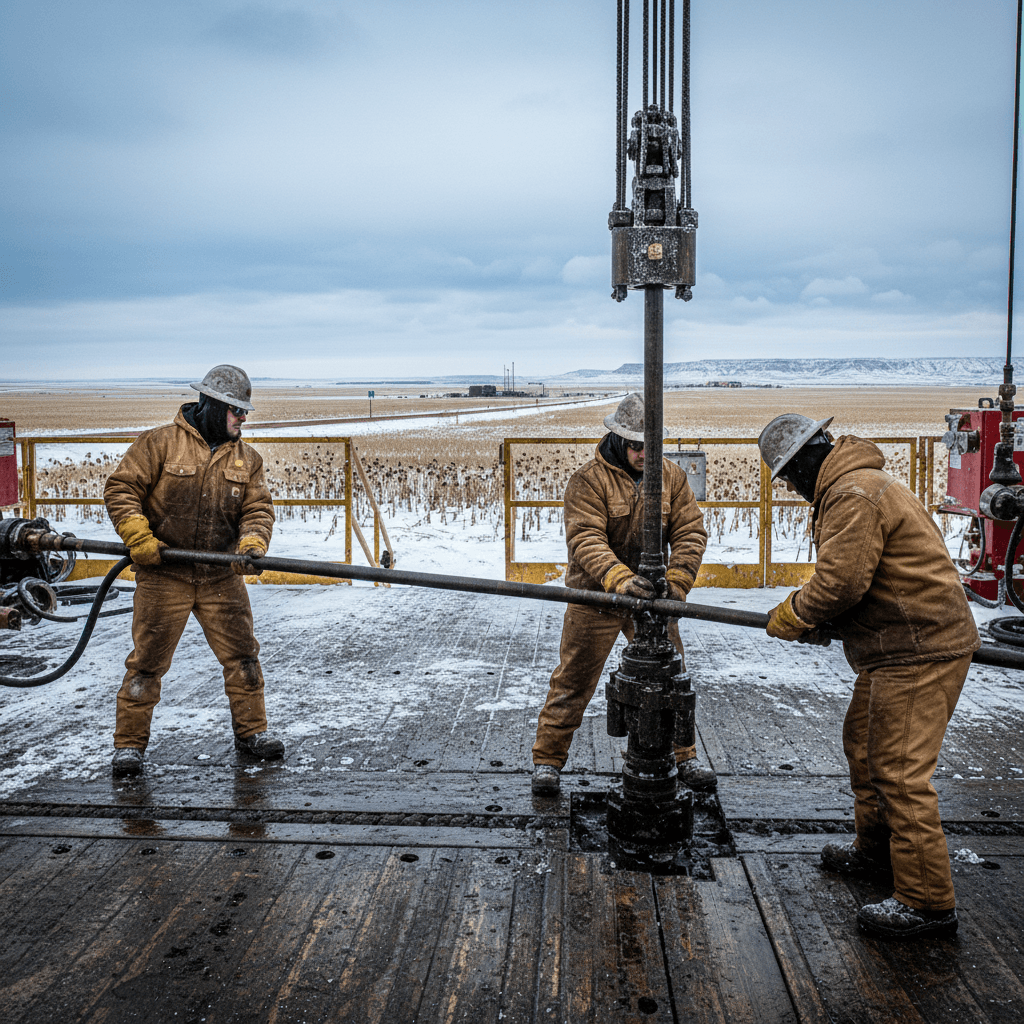
The active drilling rig count in North Dakota held steady at 27 this week, according to midday data from Bakken Wire. This level of activity, combined with rising crude oil benchmarks, points to continued, measured support for employment and local economies in the Bakken formation.
West Texas Intermediate (WTI) crude was trading at $84.67, up $1.08 or 1.29%, while the international Brent benchmark rose to $90.12. The Bakken crude differential was at a discount of $3.42 per barrel versus WTI. Natural gas was priced at $2.75 per MMBtu.
In the Bakken region, the rig count is a primary indicator of direct oilfield employment and a leading signal for service company demand. A count in the mid-to-high 20s, as seen currently, reflects a stable but conservative level of development compared to previous boom cycles. This steadiness typically translates into consistent, rather than volatile, demand for workers across drilling, completion, and production operations.
The health of local communities in western North Dakota is closely tied to this industrial activity. Sustained drilling supports core jobs in the oil and gas sector, which in turn drives consumer spending, housing demand, and tax revenue for municipalities and counties. The current price environment, with WTI above $84, provides operators with the cash flow necessary to maintain capital budgets and existing workforce levels.
A stable rig count helps mitigate the boom-and-bust cycles that have historically challenged the region's housing markets and municipal services. While not driving rapid population growth, current activity helps sustain demand for rental properties and supports local businesses that cater to oilfield workers and their families. County sales tax and gross production tax revenues also benefit from sustained production, which remains high even with a moderated drilling pace.
The current market conditions—moderate drilling supported by firmer oil prices—suggest the Bakken workforce and the communities that support it are experiencing a period of operational consistency. The focus for many operators remains on efficiency and maximizing production from existing wells, which requires a skilled but potentially smaller workforce than during intensive drilling phases. For local economies, this scenario offers predictability, allowing businesses and local governments to plan with greater confidence than during periods of extreme price or activity swings.
Source
Bakken Wire live data as of August 2, 2026.